What is dopamine?
Dopamine is an important neurotransmitter that makes you feel happy and controls your emotions. It plays a major role in regulating your mood, motivation, memory, and reward system. However, it also controls various functions in your body, including hormone regulation and movement. It can also influence your hair health and hair growth.
What is the link between dopamine and hair loss?
Low dopamine does not directly cause hair loss. It can contribute to several other factors that affect hair growth and hair health, resulting in hair thinning or shedding. These factors include:
1. Chronic stress
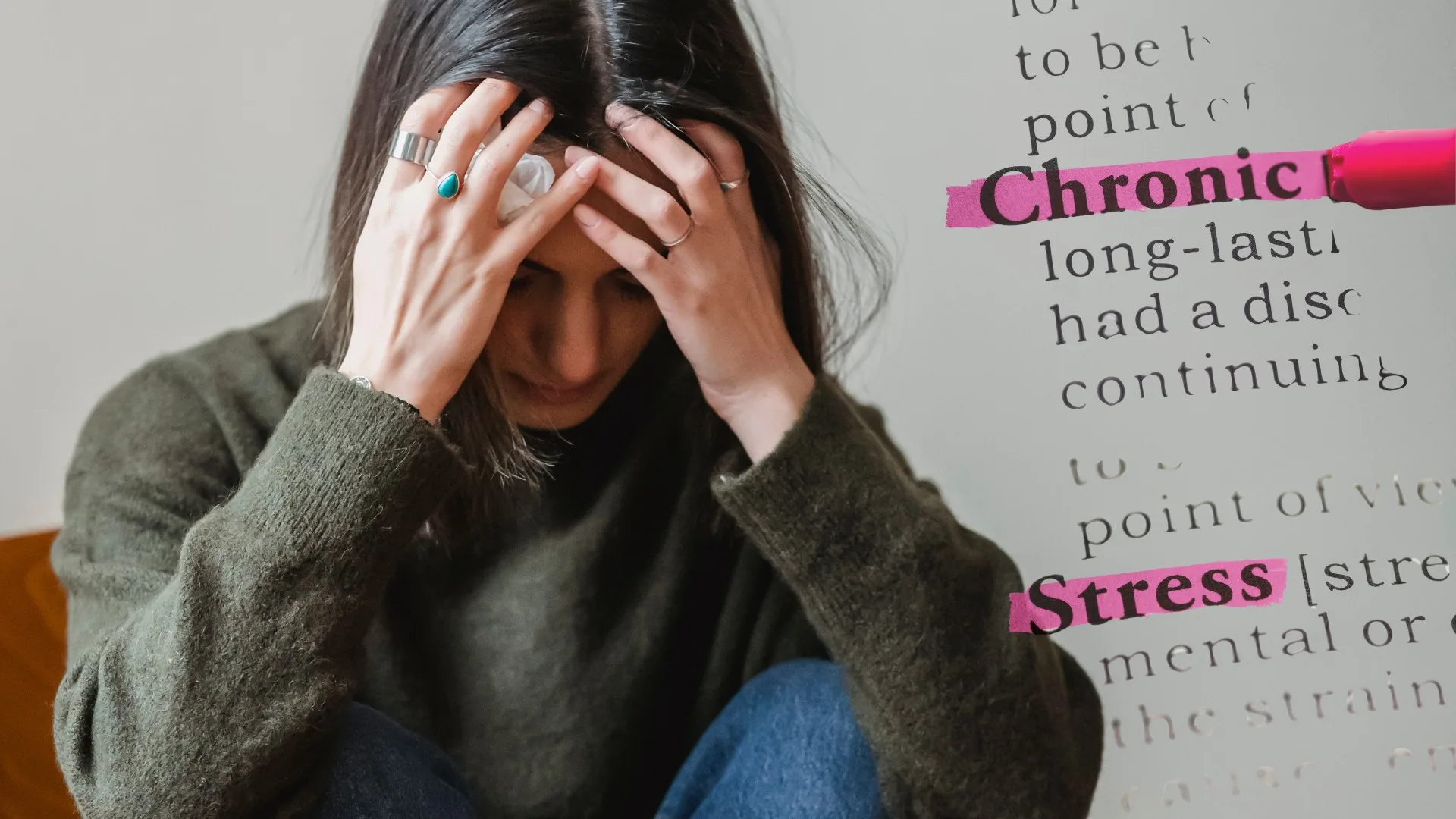
Chronic stress triggers the release of cortisol in the body. Cortisol decreases the production of dopamine, leading to lower dopamine levels. This stress hormone also affects hair growth, causing more hair follicles to enter the telogen phase (a resting phase). This will lead to telogen effluvium, a type of temporary hair loss.
2. Mood Disorders and Hair Loss
Mood disorders such as depression and anxiety are usually linked with low dopamine levels in your body. These disorders can affect your lifestyle habits, including poor diet, sleep problems, and lack of care. These lifestyle changes may contribute to hair thinning, resulting in hair loss over time.
3. Hormonal Imbalances
Dopamine is essential in regulating prolactin (a hormone secreted by the pituitary gland) levels. When you have a low dopamine level, it triggers prolactin levels in your body, resulting in hyperprolactinemia. Hyperprolactinemia is also associated with hair loss in both males and females.
What is the science behind this hair loss?
However, the studies are ongoing, but early research suggested that dopaminergic pathways may be involved in the regeneration of hair follicles. Moreover, some animal studies show that dopamine receptors are present in the skin and hair follicles
Symptoms of low dopamine linked with hair loss:
If you are experiencing hair thinning and hair loss, and the following symptoms, then low dopamine could be the culprit behind it. The symptoms of low dopamine include the following:
- Fatigue and laziness
- Lack of motivation
- Mood swings, e.g, anxiety and depression
- Lack of focus
- Cravings for sugar or stimulants
- Low libido
- Sleep disturbances
How can we support healthy dopamine levels to avoid hair loss?
There are multiple natural ways to boost the dopamine level in your body without any supplementation, and these methods also support your hair health.
1-ANF Therapy®️
ANF Therapy®️ is an advanced frequency-based treatment that does not involve any medications or invasive treatments. It uses small, wearable ANF Devices that are placed on specific points of the body. This therapy aims to support the neurological functions of the brain that may help optimize dopamine production and restore balance.
According to Dr. Mikel H-G Hoff, most patients experience swift relief in their symptoms soon after the first session. However, the effect of ANF Therapy®️ may vary from person to person depending on the disease severity.
Start your journey with ANF Therapy® :
ANF Therapy®️ is the newest treatment modality that works on the principles of frequency medicine. If you have low-dopamine-associated hair loss or low dopamine symptoms, consult an ANF Practitioner or find an ANF Therapist at https://www.anftherapy.com/find-clinic/ to find out how ANF Therapy®️ can help.
If you’re a healthcare practitioner and want to enhance your clinical skills with frequency medicine, learn more about the ANF Therapy®️ and ANF Clinical education program by visiting www.anfacademy.com.

2-Eat Dopamine-Friendly Foods
Incorporate dopamine-rich foods into your diet, such as tyrosine, amino acids that are needed for dopamine production. These include
- Almonds
- Banana
- Eggs
- Chicken
- Soy
- Dairy products
3-Exercise regularly
Exercise regularly to help boost the production of dopamine in your body. It also reduces stress.
4-Get enough sleep
Sleep is the most important factor in your body. When you sleep, your body produces more dopamine. Therefore, good-quality sleep restores your neurotransmitter balance and encourages hair follicles to recover. Sleep for at least 8-9 hours daily.
5-Scalp health
Boost your scalp circulation with scalp massage, essential oils, and a clean hair care routine.
Takeaway:
Low dopamine may not directly cause hair loss, but it can trigger stress, hormonal imbalances, and poor blood circulation factors that affect hair health. ANF Therapy®️ offers a natural, drug-free way that aims to support neurological functions. Optimized neurological functions may help reduce inflammation and stress, and improve blood flow, creating a healthier environment for hair growth.
If you’re facing hair loss linked to low dopamine symptoms, consult a nearby ANF Practitioner to discuss how ANF Therapy®️ can help you.
FAQs:
Can boosting dopamine help with hair regrowth?
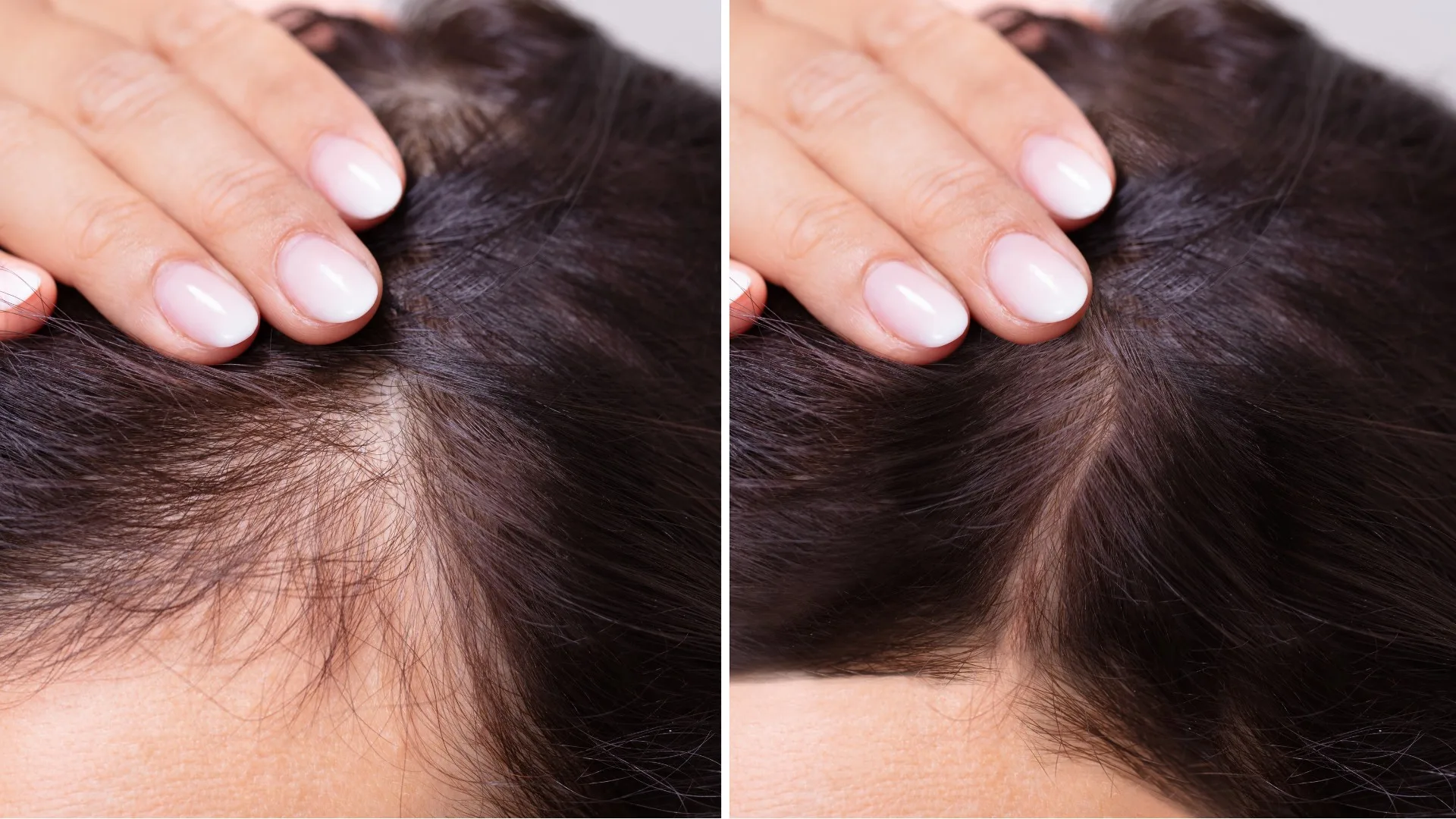
If you are experiencing hair loss that is linked to stress, mood disorders, or hormonal imbalances caused by low dopamine. Then, supporting the dopamine level in your body may improve overall wellness and contribute to hair regrowth.Is hair loss from dopamine-related issues reversible?
Yes, dopamine-related hair loss can be reversible, especially if linked to stress or hormonal imbalances. Early treatment can help restore balance and promote hair regrowth.
Can a lack of sleep cause hair loss?
Yes, lack of sleep can also contribute to hair loss. Sleep helps regulate dopamine levels in your body. Chronic sleep deprivation can lead to an increased release of stress hormones in your body that can affect the growth of hair follicles and your hair health.