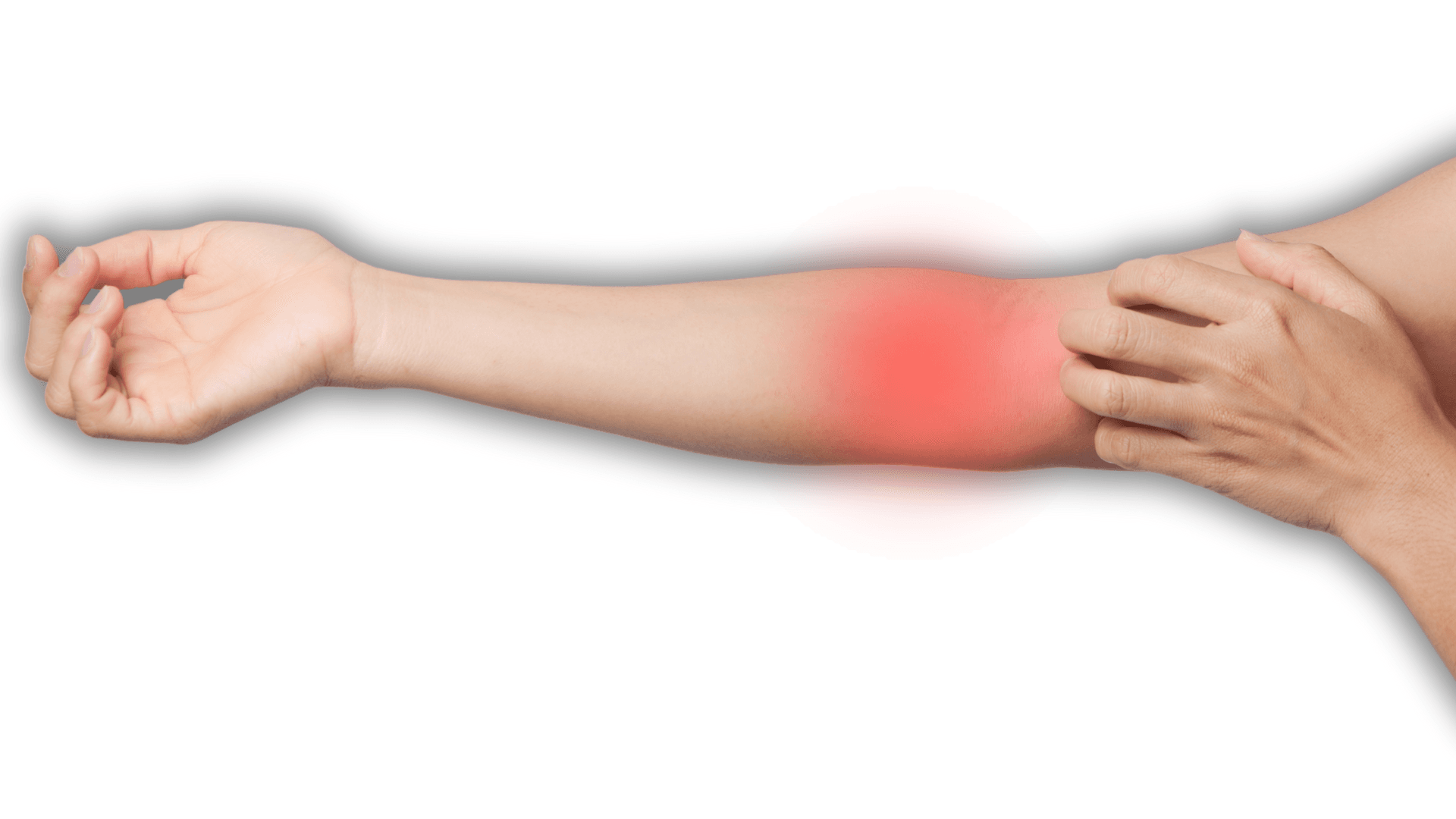
Most people think of cramps in the legs at night or in the feet after exercise, but the forearm is just as vulnerable. In healthy adults, the incidence of muscle cramping overall is reported to be around 50%. PubMed searches reveal detailed surveys for calf and thigh cramps but no large-scale studies for forearm spasms.
Unfortunately, even though forearm cramps often get overlooked, they can still cause significant distress. Sometimes the pain is manageable. Other times, it is so strong and can make your daily tasks feel impossible.
ANF Therapy® is an advanced approach that aids in the management of forearm muscle spasms. It utilises small ANF Devices that are applied to the affected areas of your body. This article explains why muscle spasms happen in the forearm and what you can do to manage them, and how ANF Therapy® may help.
What are forearm spasms?
A muscle spasm is a sudden tightening of muscle fibres that is beyond your voluntary control. Most people describe it as the body part that gets painfully locked or seized up. The forearm is especially prone to spasms. It contains a dense network of small muscles that work constantly to move your wrist, fingers, and hand.
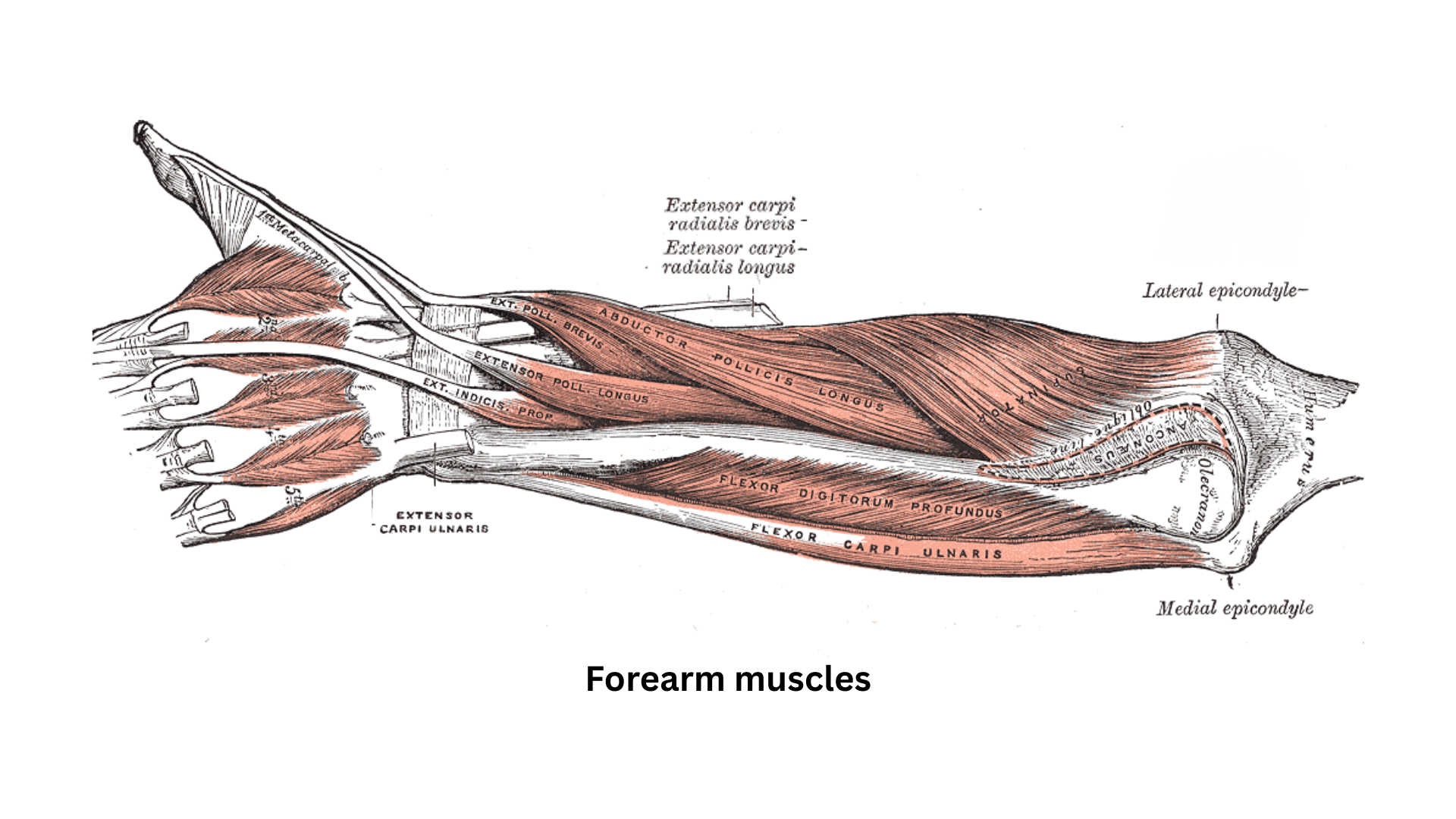
Common Causes of Forearm Spasms
The forearm muscles are small and can tire quickly. They are also sensitive to changes in blood flow, nerve supply, and electrolyte balance.
Muscle Overuse
When muscles are pushed beyond their limits, they eventually stop working smoothly. This happens a lot with the forearm because it is used in almost every daily activity:
- Typing or gaming for hours makes the muscles in the forearm work nonstop. They eventually run out of energy and tighten up into a spasm.
- Gym workouts that involve gripping dumbbells, barbells, or resistance bands put heavy strain on your flexor muscles. This can lead to sudden spasms during exercise.
- Driving long distances with a tight grip on the steering wheel keeps the forearm in a single position. After some time, your forearm can cramp.
- Daily work, like painting, sewing, or playing musical instruments, also requires repetitive gripping. These motions wear the muscles out, increasing the likelihood of spasms.
Poor Circulation
Sometimes the problem is not with the muscle itself but with the way your blood vessels supply it. Muscles depend on oxygen carried by blood. If even one vessel is cut off or blocked, your musculature becomes unstable:
- Cold temperatures make blood vessels narrow. Less blood reaches the forearm, and your muscles cramp more quickly.
- Even mild artery narrowing from vascular disease can reduce oxygen supply. Muscles that are already tired may spasm faster under this strain.
Nerve Damage
Nerves carry the signals that tell your forearm muscles when to contract and when to relax. Since the forearm has both small surface nerves and deeper ones that pass through tight tunnels, it is especially vulnerable to neurological issues such as nerve entrapment.
Unlike cramps from dehydration or fatigue, nerve-related cramps often come with added symptoms:
- Numbness
- Tingling
- Weakness
- Dropping objects
Electrolyte Imbalance
Electrolytes such as sodium, calcium, and potassium are minerals that regulate muscle contraction and relaxation. Even a slight imbalance can make your muscles fire uncontrollably. Forearm muscles react quickly when these levels shift:
- Heavy sweating during intense exercise or hot weather pulls sodium and potassium out with it. When these ions drop, your forearm muscles become some of the first to cramp.
- Drinking less than your body needs over several hours of activity creates low-grade dehydration. It makes electrical activity in the muscle fibres unstable and more likely to spasm.
- Episodes of vomiting or diarrhoea empty your body’s electrolyte reservoirs much faster than people do. A single day of fluid loss can cause the forearms or calves to tighten sharply because the nerves cannot properly signal the muscles.
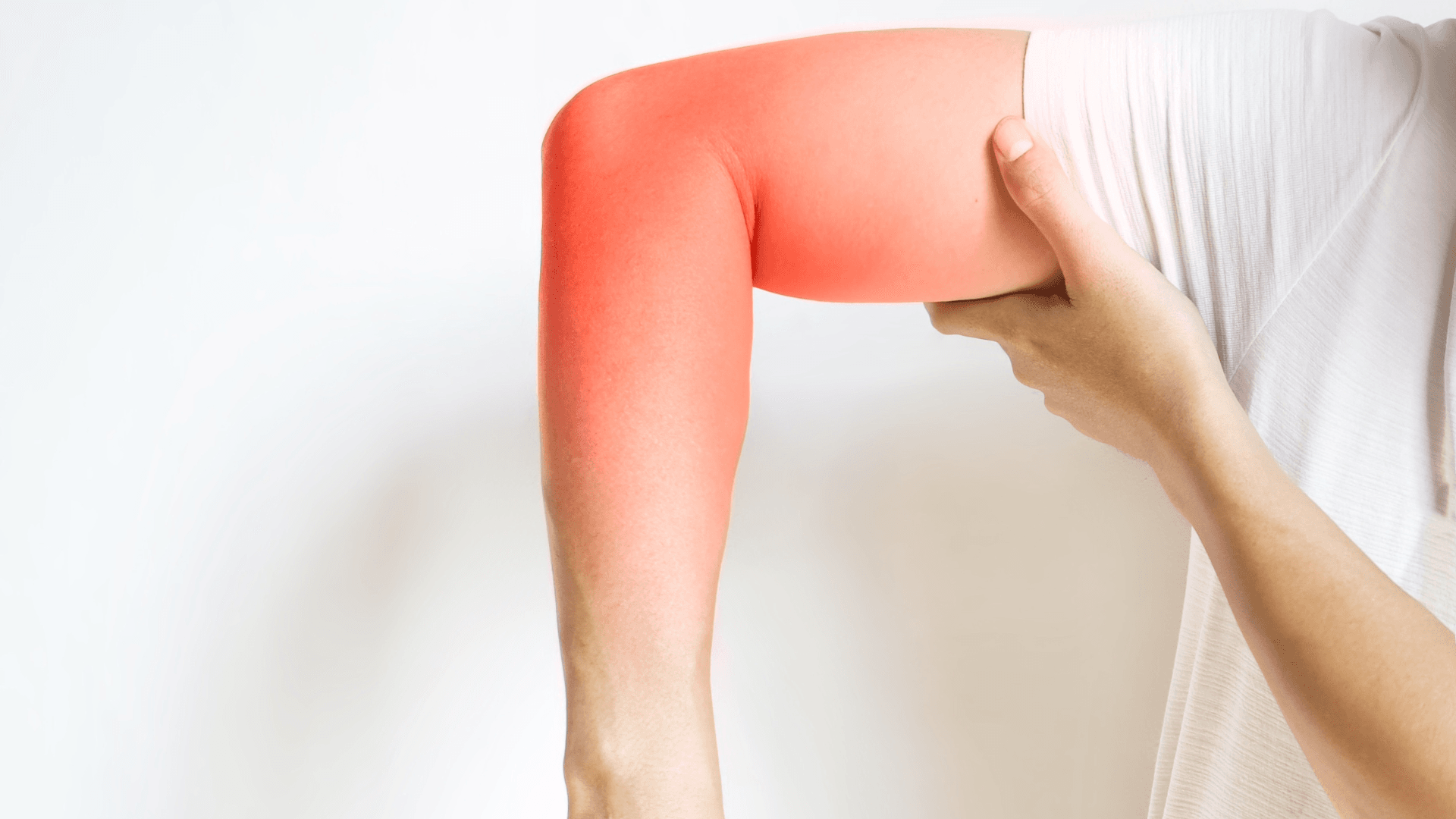
Illness
Certain health conditions can make forearm spasms more likely, such as
| Diabetes |
|
| Kidney disease |
|
| Thyroid problems |
|
| Liver disease |
|
Medicines
Some medicines also raise the risk of spasms. If spasms start after beginning a new medicine, it is important to mention this to your doctor. Examples include:
Diuretics
| Help the body get rid of extra fluid. In the process, they also wash out electrolytes like potassium, which results in muscle spasms. |
Statins
| Statins lower cholesterol but can irritate muscle tissue in some people. This can show up as soreness in muscles like the forearm. |
Asthma inhalers
| Asthma inhalers relax your airway muscles, but at higher doses, they also stimulate skeletal muscles. They may also lower potassium levels. As a result, they can cause shaking and muscle spasms. . |
Steroids
| Long-term steroid use weakens muscles and changes the way the body handles salts and proteins. Myopathy may be present in over 50% long-term users of corticosteroids. This makes cramping more commonplace. |
How to treat muscle spasm in the forearm naturally?
2. Gentle Stretching
Gently stretching your forearm muscles can also help improve your muscle spasm.
- Slowly stretch the forearm muscles, both flexors and extensors.
- Hold each stretch for 20–30 seconds, repeating several times a day.
- Avoid bouncing or overstretching to prevent aggravating the muscle.
The following are the natural ways to treat muscle spasm.
1. ANF Therapy® (Amino Neuro Frequency Therapy®)
There are various ways to manage forearm muscle spasms, but ANF Therapy® or Amino Neuro Frequency Therapy is an advanced frequency-based approach that is designed to aid in the treatment, prevention, and relief of musculoskeletal injuries, as well as related problems such as pain, swelling, discomfort, and limited mobility. It is also designed for use in physical rehabilitation, neuromusculoskeletal care, and supportive treatment settings.
It utilises small ANF Devices that are placed on specific body parts. These devices are applied by certified ANF therapists after a detailed assessment.
Outcomes:
A real-world study of 1,054 patients from 45 countries evaluated the effectiveness of ANF Therapy®. The most common pain sites were the lower back, knee, neck, and shoulder. After ANF Therapy®, average pain scores dropped sharply from 7.6 to 3.1 out of 10. Patients also experienced reduced swelling and a better range of motion. Overall satisfaction was high at 92/100, and mild, short-term side effects such as dry mouth, headache, and fatigue were reported in 42% of participants.
The findings demonstrate that ANF Therapy® can be useful for forearm spasms.
Start your journey with ANF Therapy®:
ANF Therapy® is the newest frequency-based approach. If you have forearm muscle spasms, consult an ANF Practitioner or find an ANF Therapist at www.anftherapy.com/find-clinic/ to discuss how ANF Therapy® can help.
If you’re a healthcare practitioner and want to enhance your clinical skills with frequency medicine, learn more about the ANF Therapy® and ANF Clinical education program by visiting www.anfacademy.com.
3. Warm Compress or Heat Therapy
Apply a warm towel or heating pad to the area for 15–20 minutes. This helps increase blood flow and relaxes tight muscle fibers.
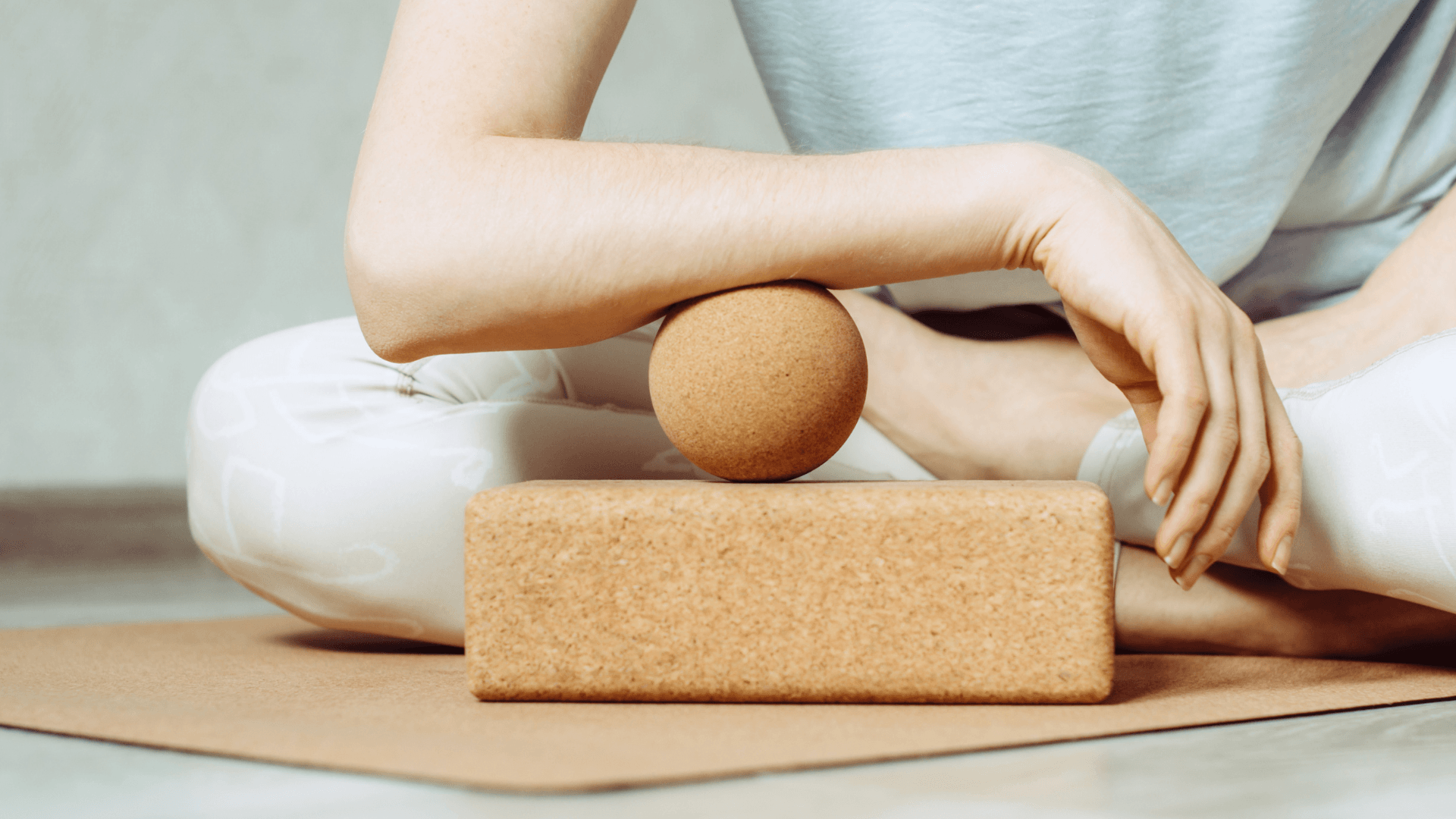
4. Massage and Myofascial Release
Gently massage the affected area using circular motions to increase circulation. Using tools like a massage ball or foam roller can also help relieve deeper tension.
5. Hydration and Electrolytes
Drinking enough water throughout the day can also help improve your symptoms. Because dehydration can increase the risk of muscle spasms
6. Rest and Gentle Movement
Avoid repetitive strain (e.g., typing, gripping tools). Once pain decreases, gentle range-of-motion exercises can prevent stiffness.
7. Cold Compress (if swelling or acute pain)
In the first 24–48 hours after a spasm, apply an ice pack for 10–15 minutes to reduce inflammation.
Conclusion
Forearm muscle spasms are common but often overlooked, despite their ability to disrupt daily tasks and cause significant discomfort. They can occur due to muscle overuse, poor circulation, nerve irritation, electrolyte imbalance, illnesses, or even certain medications.
Natural strategies, such as stretching, massage, hydration, heat, and reducing repetitive strain, can provide meaningful relief. Many patients notice significant improvements in pain, swelling, and muscle tension with ANF Therapy®, which supports the body’s natural healing mechanisms. By identifying the root cause and choosing the right therapeutic approach, you can successfully manage forearm spasms and restore your movement.