If you’ve been dealing with severe pain in the front of your hip or groin region, especially when sitting, walking, or lifting your leg, you might be suffering from psoas tendinitis. This can affect your daily activities, posture, and even sleep.
Once you understand what’s causing it and choose the right treatment approach, recovery is absolutely possible. ANF Therapy® is an advanced approach that supports the body’s natural healing mechanisms for muscle spasms using ANF Devices. These devices are applied to the affected areas of your body by trained ANF Therapists.
Let’s explore what psoas tendinitis is, how it develops, and how innovative therapies like ANF Therapy® and other treatments can help you get back to pain-free movement.
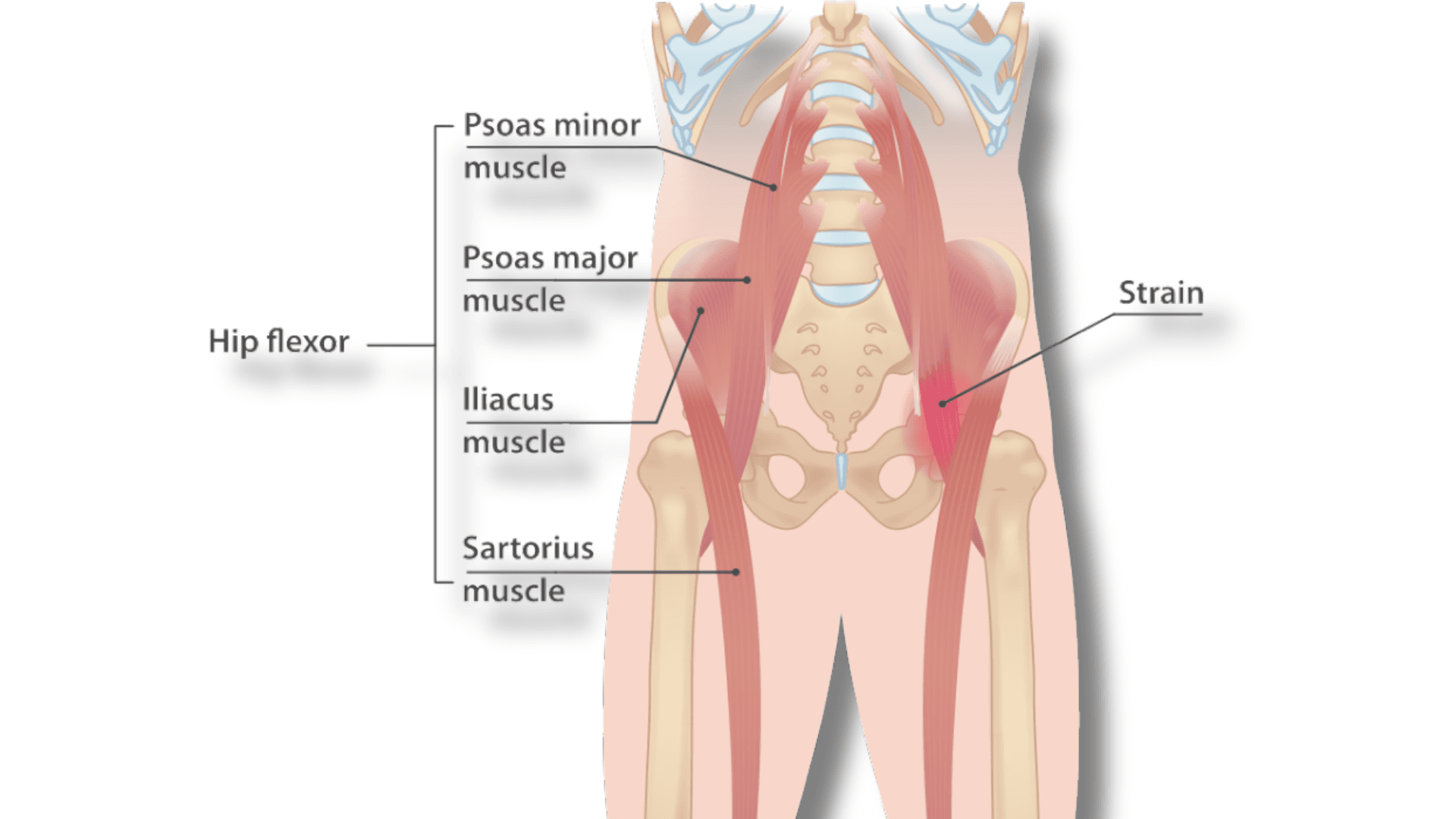
What Is Psoas Tendinitis?
Your psoas tendon connects the psoas major muscle (one of your primary hip flexors) to the thigh bone (femur). This muscle helps lift your leg, stabilize your spine, and maintain your posture.
When this tendon becomes irritated or inflamed, it can lead to psoas tendinitis, a painful condition often caused by overuse, poor posture, or muscle imbalance.
What are the common causes of psoas tendinitis?
There can be multiple causes of psoas tendinitis. However, the most common are the following:
- Repetitive hip flexion (running, cycling, and dancing)
- Prolonged sitting or poor posture
- Weak glutes or core muscles
- Sudden increase in physical activity
- Muscle tightness or imbalance in the hip region

What are the symptoms of psoas tendinitis?
- Deep, aching pain in the front of the hip or groin
- Pain or stiffness after sitting for long periods
- Discomfort when lifting your leg or climbing stairs
- Tenderness in the lower abdomen or hip crease
- Pain radiating into the lower back or upper thigh
How to treat psoas tendinitis?
ANF Therapy® is the most advanced approach that aids in the management of psoas tendinitis and provides lasting results. The following are a few ways to relieve psoas tendinitis.
1. ANF Therapy®
Among all these treatments, ANF Therapy® (Amino Neuro Frequency Therapy) is a new treatment that is designed to aid in the treatment, prevention, and relief of musculoskeletal injuries, as well as related problems such as pain, swelling, discomfort, and limited mobility. It is also designed for use in physical rehabilitation, neuromusculoskeletal care, and supportive treatment settings.
Outcomes:
ANF Therapy® is a non-invasive, drug-free approach that uses small carbonised metal devices applied to the skin to help manage pain. In a study of 1,054 patients from 45 countries, average pain scores dropped from 7.6 to 3.1 out of 10. The most common areas treated were the lower back, knees, neck, and shoulders. Patients also experienced less swelling and better movement. Satisfaction levels were high (92/100), while mild, short-term side effects such as dry mouth, headache, and fatigue were reported by 42% of participants. The results indicate that ANF Therapy® is helpful in supporting the management of orthopaedic injuries such as psoas tendinitis.
2. Rest and Activity
Avoid high-impact activities or repetitive movements that aggravate your hip pain. Try low-impact exercises like swimming or using an elliptical to reduce stress on the tendon while keeping you active.

3. Stretching and Strengthening Exercises
An ANF Therapist can guide you through specific exercises to support recovery from psoas tendinitis. These exercises focus on restoring balance, flexibility, and strength in the hip area. Common exercises include:
- Hip flexor stretches
- Glute bridges
- Core stabilization exercises
- Gentle yoga poses like the low lunge (Anjaneyasana)
4. Manual Therapy and Massage
Techniques such as deep tissue massage, myofascial release, or trigger point therapy can also help reduce muscle tightness around the hip and lower back, improving blood flow and flexibility.
5. Heat and Ice Therapy
Applying ice and heat therapy can play an important role in managing psoas tendinitis. Ice is most effective during the early or acute phase of the condition, as it helps reduce inflammation, swelling, and pain around the irritated tendon. Applying a cold pack for about 15–20 minutes several times a day can minimize tissue damage and provide soothing relief.
Once the initial inflammation subsides, heat therapy becomes more beneficial. Gentle heat helps increase blood flow, relax tight muscles, and promote healing by improving nutrient and oxygen delivery to the affected area.
Start your journey with ANF Therapy®:
ANF Therapy® is the newest frequency-based approach. If you have psoas tendinitis, consult an ANF Practitioner or find an ANF Therapist at www.anftherapy.com/find-clinic/ to discuss how ANF Therapy® can help.
If you’re a healthcare practitioner and want to enhance your clinical skills with frequency medicine, learn more about the ANF Therapy® and ANF Clinical education program by visiting www.anfacademy.com.
Why Do Patients Love ANF Therapy®?
Patients love ANF Therapy due to the following reasons:
- Drug-free and non-invasive approach
- Most patients experience immediate pain relief (often within minutes)
- This therapy supports holistic healing
Conclusion:
Psoas tendinitis can be painful and frustrating, but recovery is possible with the right approach. Combining targeted treatment, lifestyle modifications, and innovative solutions like ANF Therapy® provides a comprehensive path to lasting relief.
If you’re tired of recurring hip pain or treatments that only offer temporary relief, it’s time to explore how ANF Therapy® can be helpful for you.