When we think about our health, the psoas muscle doesn’t usually get much attention. The psoas muscle is also known as the muscle of the soul because it is located deep within the body and supports posture, movement, and core stability. Moreover, this muscle also plays a role in how our digestive system works. If the psoas gets tight or out of balance, it can affect different parts of the body, including how our bowels function.
ANF Therapy® is an advanced approach that aims to help the body find balance by supporting the nervous system. In this blog, we will discuss the relationship between the psoas muscle and bowel function, explore why this connection exists, and discuss how therapies like ANF Therapy® may help you.
Understanding the psoas muscle
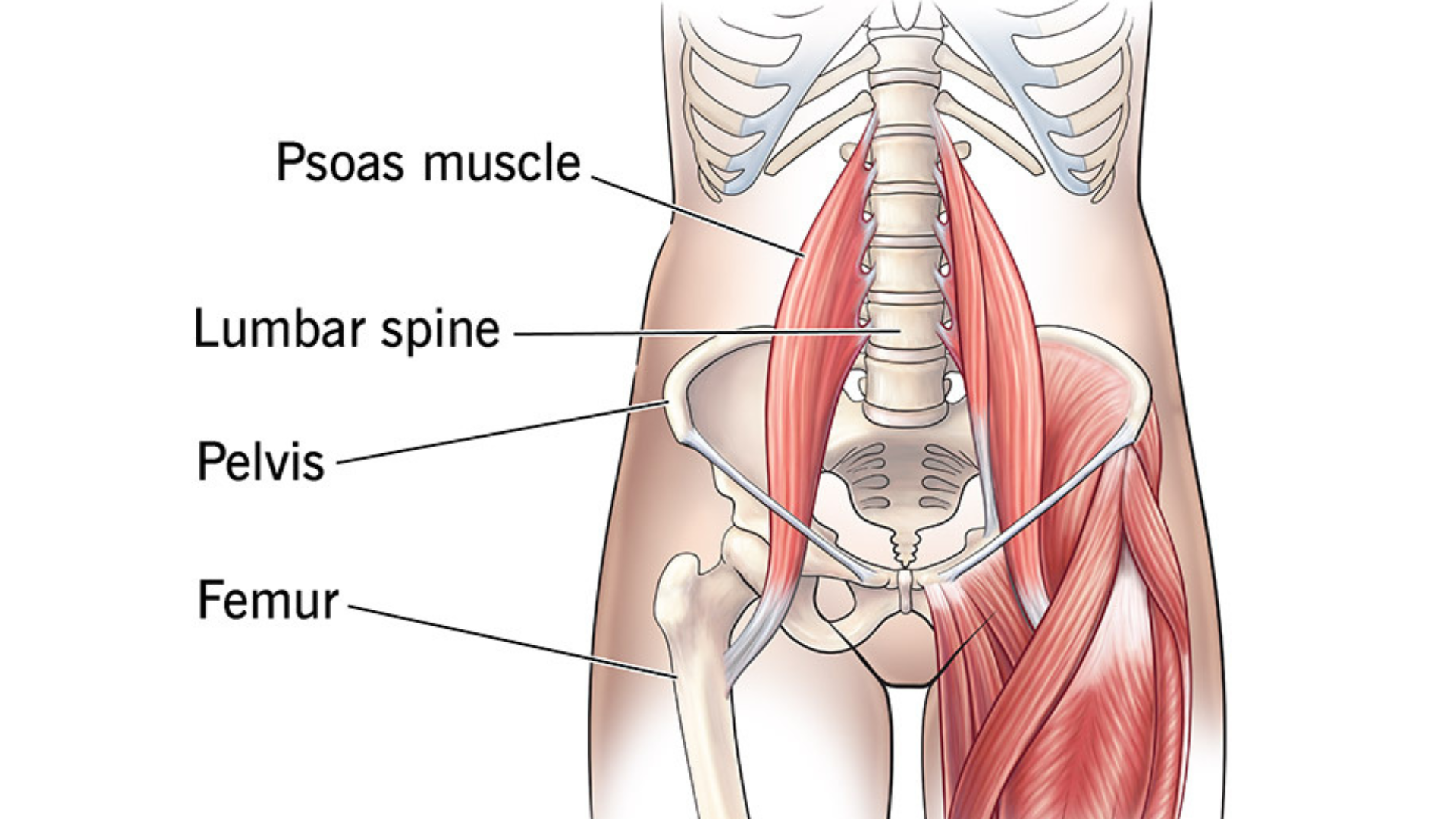
The psoas is a large, deep muscle that runs from the lower spine, through the pelvis, and attaches to the femur (thigh bone). It is responsible for many essential functions. These include:
- Hip flexion allows you to lift your legs and walk
- Supporting spinal alignment
- Maintaining core stability
- Facilitating movement between the torso and legs
It may feel strange that a muscle primarily associated with movement could affect digestion. The psoas muscle lies close to several critical structures, including the intestines and the nerves that help regulate bowel function.
Anatomical proximity:
The psoas runs adjacent to the abdominal cavity. If the muscle becomes tight or shortened due to stress, poor posture, or prolonged sitting, it can potentially place pressure on surrounding tissues, including parts of the intestines, and may affect bowel function.
Nervous system interaction:
The psoas is closely linked to the lumbar spine, where many nerves exit to innervate the abdominal organs. Tension in the psoas can cause mild alterations in nerve signaling, which may indirectly influence bowel motility.
Postural impact:
A tight psoas can tilt the pelvis forward, altering the natural curve of the spine and abdomen. These postural shifts can sometimes affect digestive efficiency, making bowel movements feel irregular or uncomfortable.
Common signs of psoas imbalance
The common signs of psoas imbalance include the following:
- Lower back or hip pain
- Feeling of tightness or heaviness in the abdomen
- Discomfort when standing for long periods
- Limited range of motion in the hips
- Occasional bloating or irregular bowel movements

How does ANF Therapy® approach this condition?
ANF Therapy® is an advanced method that focuses on the nervous system and musculoskeletal interactions. It involves applying specially designed ANF Devices to specific points on the body. This therapy aims to support the body’s natural regulatory mechanisms and promote balance. By targeting areas like the psoas, ANF Therapy® aims to provide a supportive role to the body’s musculoskeletal and nervous systems, which some individuals find beneficial for overall well-being.
Outcomes:
A real-world study involved 1,054 patients across 45 countries to assess the effectiveness of ANF Therapy®. Common pain areas included the lower back, knee, neck, and shoulder. As a result, pain levels decreased significantly, from 7.6 to 3.1 out of 10 with ANF Therapy®. Patients also showed reduced swelling and improved range of motion. Satisfaction was high (92/100), and side effects, such as dry mouth, headache, and fatigue, were mild and short-term. The results indicate that ANF Therapy® can be helpful in the recovery of musculoskeletal problems.
Start your journey with ANF Therapy®:
ANF Therapy® is the newest frequency-based approach. If you have muscle spasms, consult an ANF Practitioner or find an ANF Therapist at www.anftherapy.com/find-clinic/ to discuss how ANF Therapy® can help you with psoas muscle issues.
If you’re a healthcare practitioner and want to enhance your clinical skills with frequency medicine, learn more about the ANF Therapy® and ANF Clinical education program by visiting www.anfacademy.com.
Other therapies that help release the psoas muscle include the following:
- Stretching and mobility exercises: Gentle hip flexor stretches and yoga can help release tension in the psoas.
- Strengthening exercises: Core-strengthening routines help stabilize the pelvis and support spinal alignment.
- Posture awareness: Avoid prolonged sitting and practice proper ergonomics to reduce psoas strain.
- Stress management: The psoas is sensitive to stress, so relaxation techniques like deep breathing, meditation, or mindfulness can help.
Combining these lifestyle practices with ANF Therapy®, which focuses on the nervous system and musculoskeletal support, may offer a more holistic approach to overall comfort.