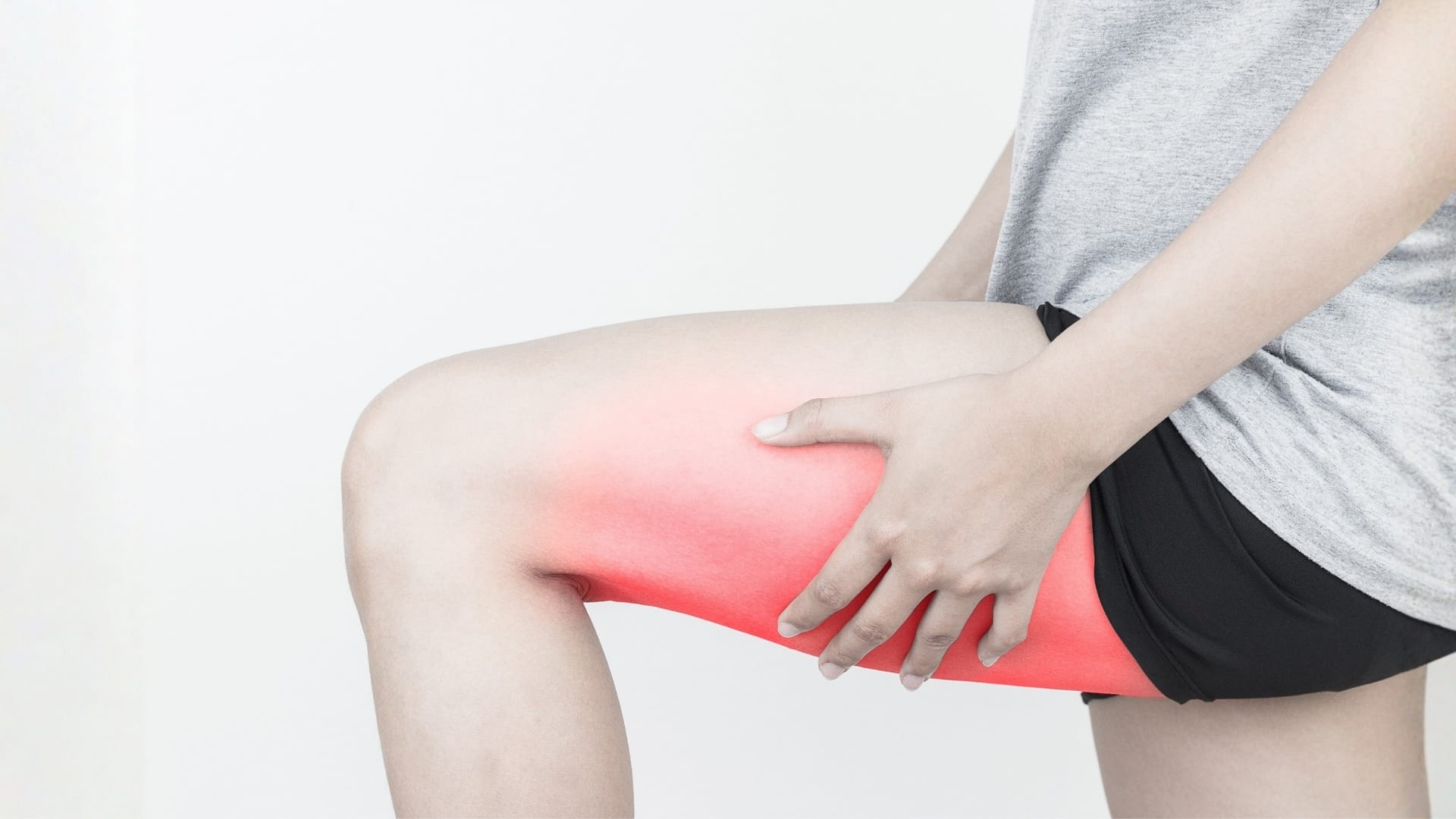
Hamstring injuries are very common, especially in athletes and active people. Most people think of a hamstring strain as pain in the back of the thigh. But sometimes, people also notice swelling around the knee, which can be surprising. This may raise a common question: Can a hamstring injury cause knee swelling?
The short answer is yes, it can. But the reason why it occurs requires a closer look at anatomy, injury mechanisms, and how the body responds to trauma.
ANF Therapy® is an advanced approach that can be used as a complementary therapy alongside standard treatment for managing hamstring injury. In this blog, we will explore how hamstring injury can cause knee swelling, why it occurs, and how ANF Therapy® can be helpful.
What are the Hamstring Muscles?
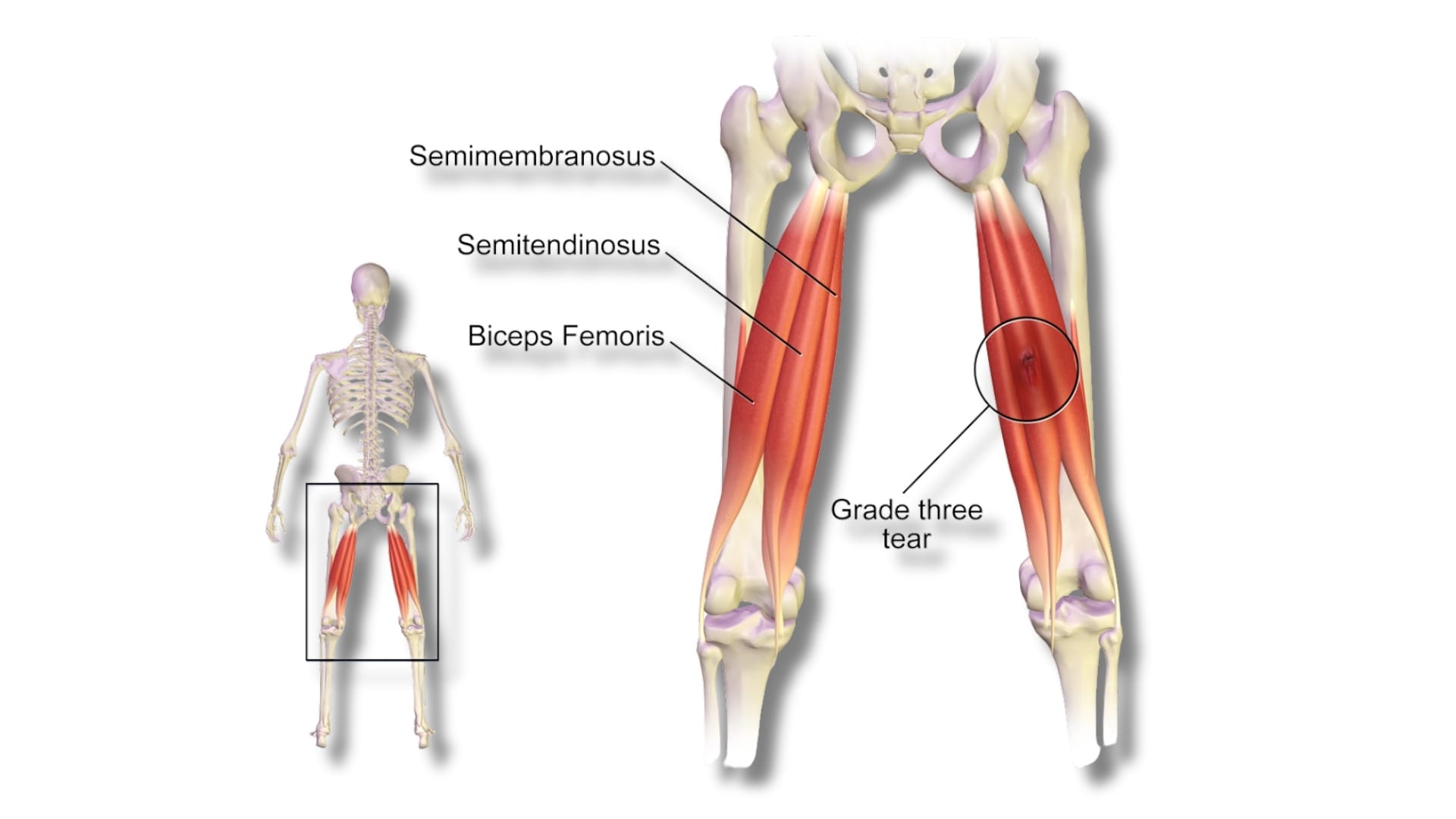
The hamstrings are a group of three muscles located at the back of the thigh:
- Biceps femoris
- Semitendinosus
- Semimembranosus
These muscles originate at the pelvis and extend down the back of the thigh. They cross the knee joint and attach to the bones of the lower leg.
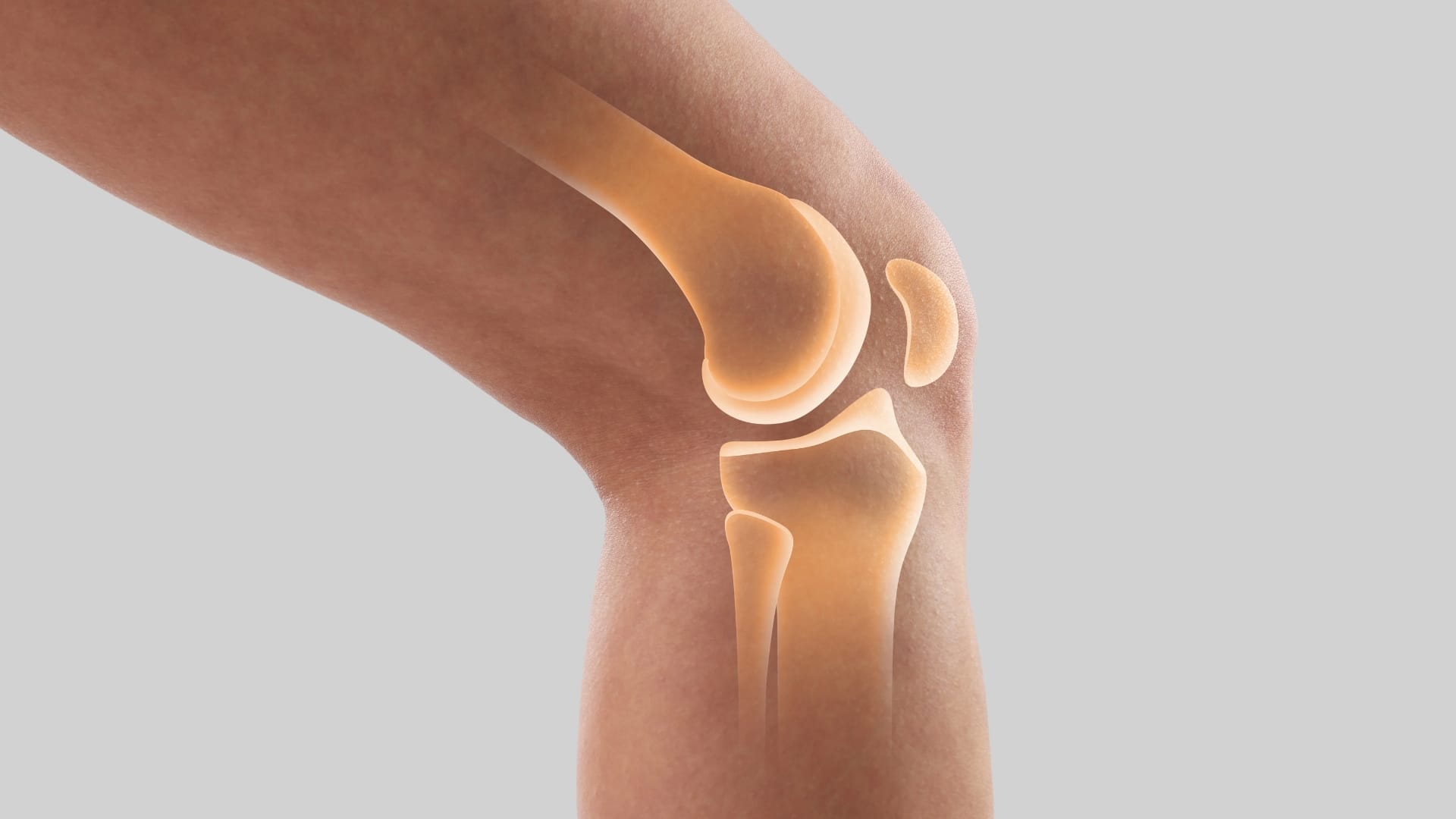
As the hamstrings attach near and around the knee, an injury to these muscles or their tendons can directly influence the structures surrounding the knee joint.
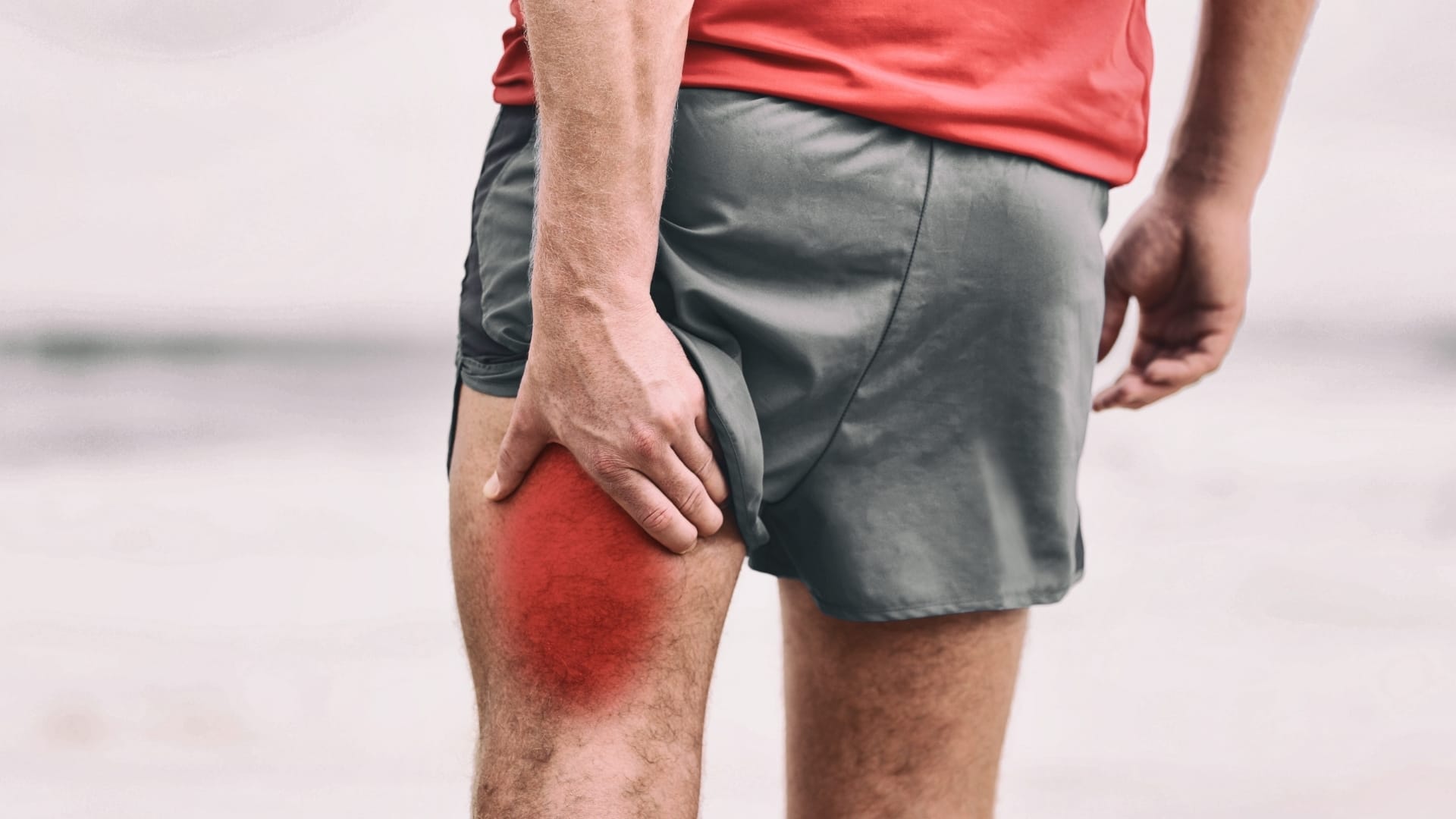
How Hamstring Injuries Occur
Hamstring injuries typically happen due to:
- Sudden acceleration or sprinting
- Rapid deceleration
- Overstretching
- Direct trauma
- Poor warm-up
- Muscle imbalance
Grade 1 (Mild strain):
A Grade 1 hamstring strain is the mildest type of injury. It involves minor damage to the muscle fibers. You may feel slight pain or tightness in the back of the thigh, but you can usually still walk and move with little difficulty.
Grade 2 (Moderate strain):
A Grade 2 strain is more serious and involves a partial muscle tear. The pain is severe, and you may notice swelling, bruising, and weakness in the leg. Walking or bending the knee can be uncomfortable.
Grade 3 (Severe strain):
A Grade 3 strain is the most severe type. It happens when the muscle is completely torn. There is severe pain, significant swelling and bruising, and it may be very difficult or impossible to put weight on the leg.
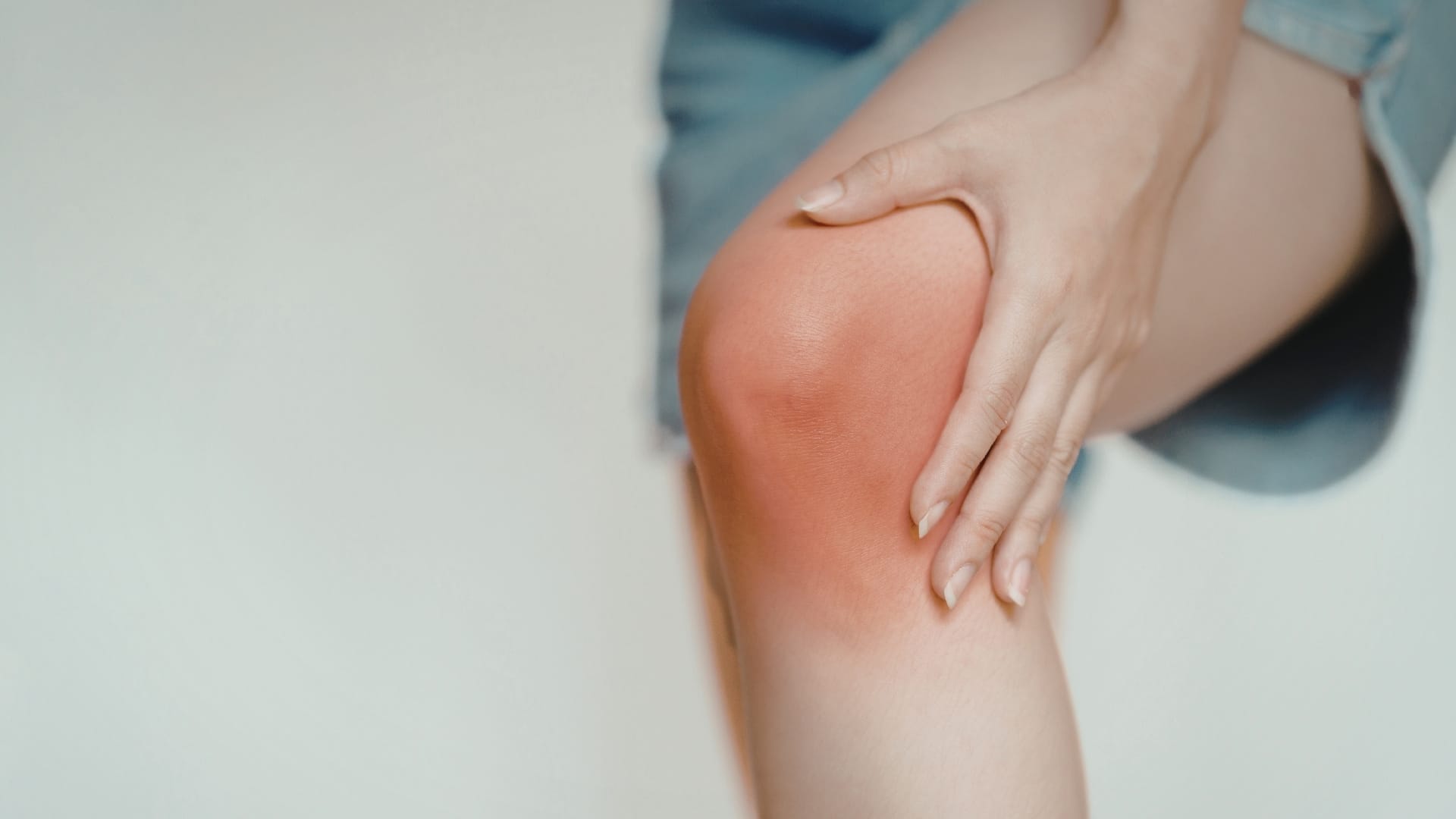
Why Knee Swelling Can Happen After a Hamstring Injury
The hamstring injury can spread to the knee due to the following:
1. Inflammation Spreads to the Knee Area
When a hamstring strain occurs near the lower part of the muscle (close to the knee), inflammation can extend into the surrounding tissues. The body sends fluid and inflammatory cells to the injured area, which can result in:
- Swelling behind the knee
- Puffiness around the joint
- A feeling of tightness
Since the tendons attach near the knee, swelling may appear to originate from the knee itself.
2. Fluid Migration (Gravity Effect)
If bleeding occurs within the muscle (especially in moderate-to-severe strains), fluid may track downward due to gravity. This can cause:
- Swelling below the injury site
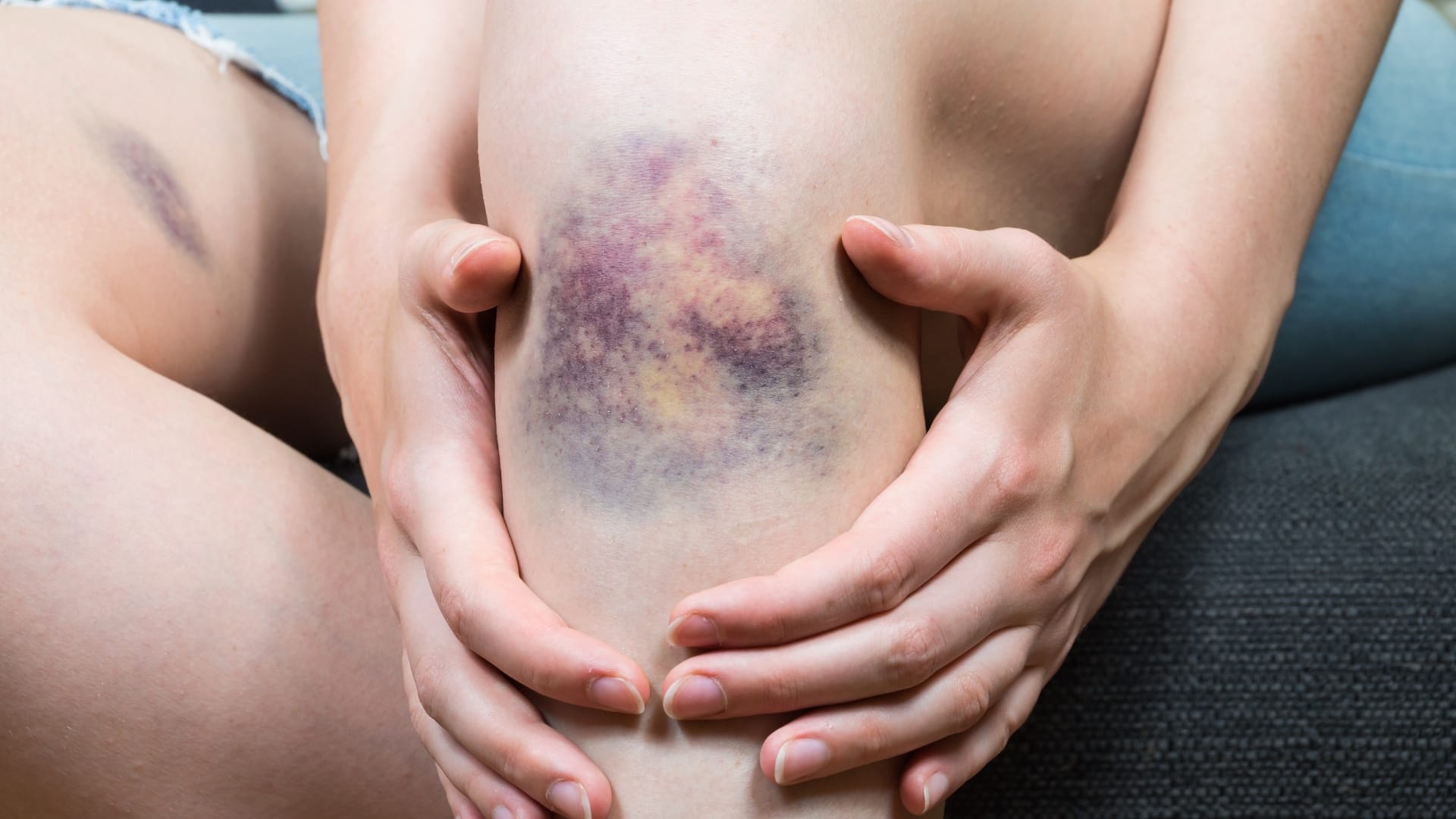
- Bruising behind the knee
- Swelling around the upper calf
3. Tendon Involvement at the Knee
The hamstring tendons attach at the back and sides of the knee. If the injury affects the tendon near its insertion point, it can irritate the surrounding joint capsule or soft tissue structures.
This irritation may lead to:
- Localized swelling
- Tenderness along the back of the knee
- Pain when bending the knee
4. Compensatory Knee Irritation
After a hamstring injury, the way you move often changes. This happens because your body is trying to protect the injured muscle.
You may notice:
- Walking instability
- Favoring one leg
- Altered knee mechanics
These changes in movement can place extra stress on the knee joint and surrounding tissues. Over time, this added stress can cause inflammation and lead to swelling in the knee.
When Knee Swelling May Indicate Something More
While a hamstring injury can cause knee swelling, it’s important to rule out other possible causes, including:
- Meniscus tear
- Ligament injury (ACL, PCL, MCL)
- Baker’s cyst
- Direct knee trauma
- Joint effusion
- Infection (rare but serious)
If swelling is significant, worsening, or accompanied by instability, locking, or severe pain, medical evaluation is essential.
Symptoms to Watch For
If your knee swelling is related to a hamstring injury, you may notice:
- Pain in the back of the thigh
- Tenderness near the back of the knee
- Bruising that spreads downward
- Stiffness when straightening the leg
- Pain with bending the knee against resistance
However, if you experience severe joint swelling, inability to bear weight, a sudden “pop” sensation, knee instability, and fever, you should consult your nearest ANF Therapists.
How to Manage Hamstring-Related Knee Swelling?
1. ANF Therapy®:
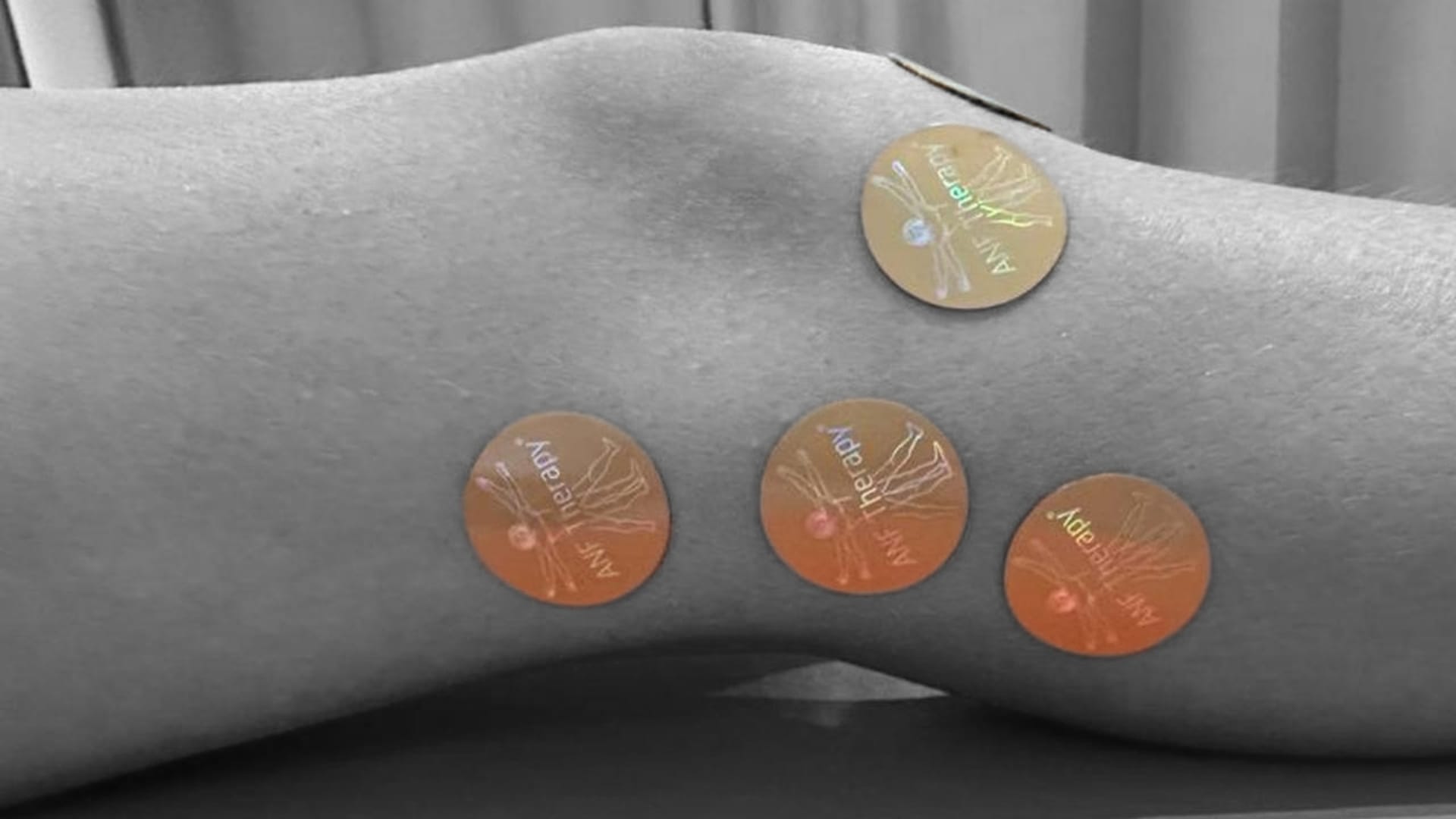
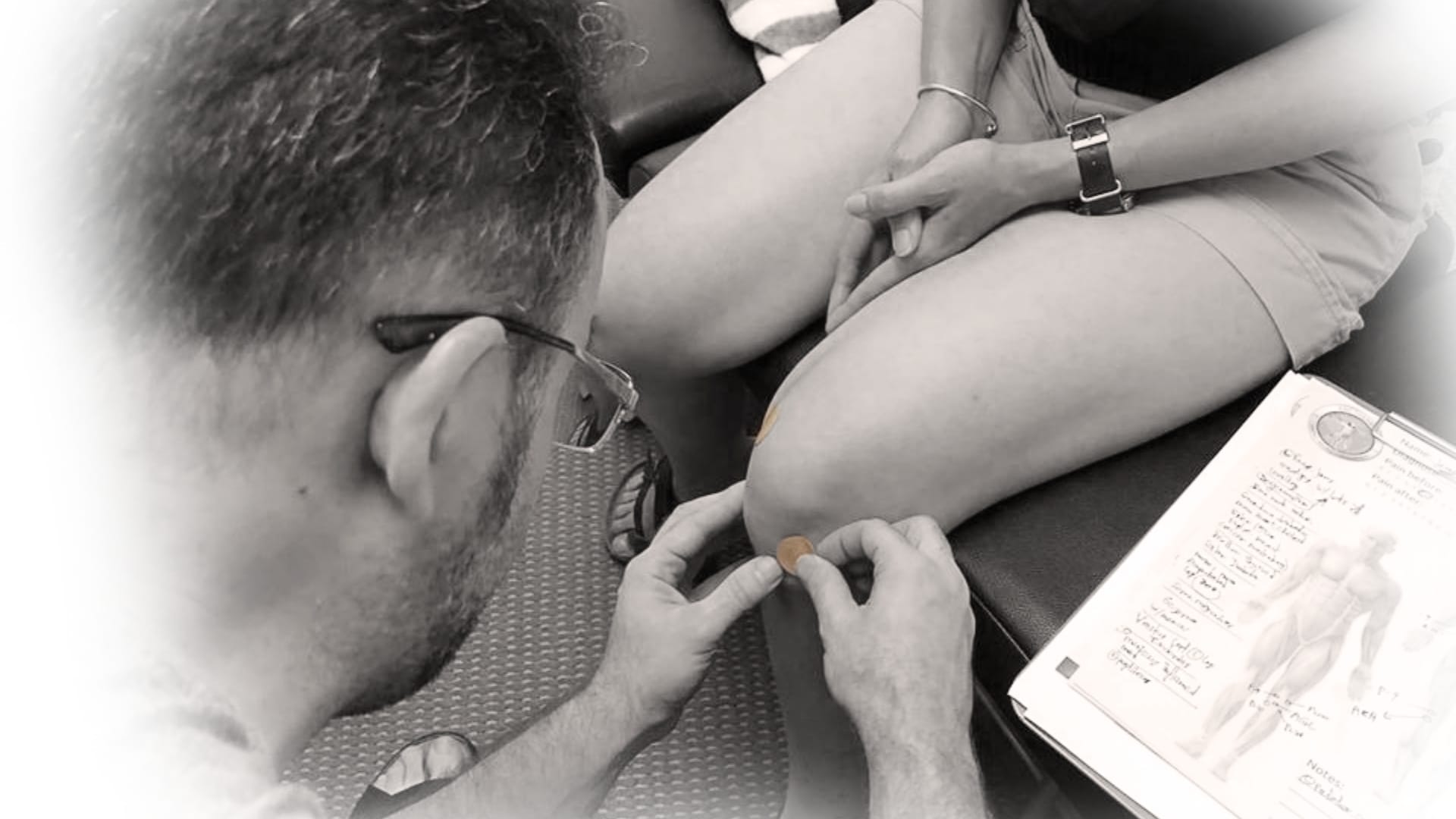
ANF Therapy® is an advanced approach that can be used as a complementary treatment alongside other approaches. This therapy utilises small wearable ANF devices that are applied to the affected areas of your body. It supports your body’s natural healing process and overall health.Outcomes
ANF Therapy® is a drug-free modality that has been observed in real-world clinical settings. A study involving 1,054 patients across 45 countries evaluated the use of ANF Therapy® for various musculoskeletal concerns. Commonly addressed areas included the lower back, knees, neck, and shoulders. Reported pain scores decreased from an average of 7.6 to 3.1 out of 10 following ANF Therapy® use. Participants also reported reduced swelling and improved range of motion. Overall satisfaction scores were high, while reported effects such as dry mouth, headache, or fatigue were mild and short-term. While these findings are not specific to muscle strain alone, they reflect how ANF Therapy® is commonly used as a supportive approach for musculoskeletal recovery and neuromuscular balance.Start Your Journey With ANF Therapy®
ANF Therapy® is a frequency-based approach that supports the body’s natural healing processes. It can be used as a complementary approach alongside standard medical treatment for a wide range of musculoskeletal discomforts, including hamstring injury that can lead to knee swelling. If you are dealing with ongoing muscle tension or strain or swelling around the knee joint, you may consider consulting an ANF Practitioner to discuss whether ANF Therapy® could be included as part of your personal wellness or recovery strategy. You can find an ANF Therapist by visiting: www.anftherapy.com/find-clinic. For healthcare professionals interested in expanding their understanding of frequency-based approaches, more information about ANF Therapy® and the ANF Clinical Education Program is available at www.anfacademy.com.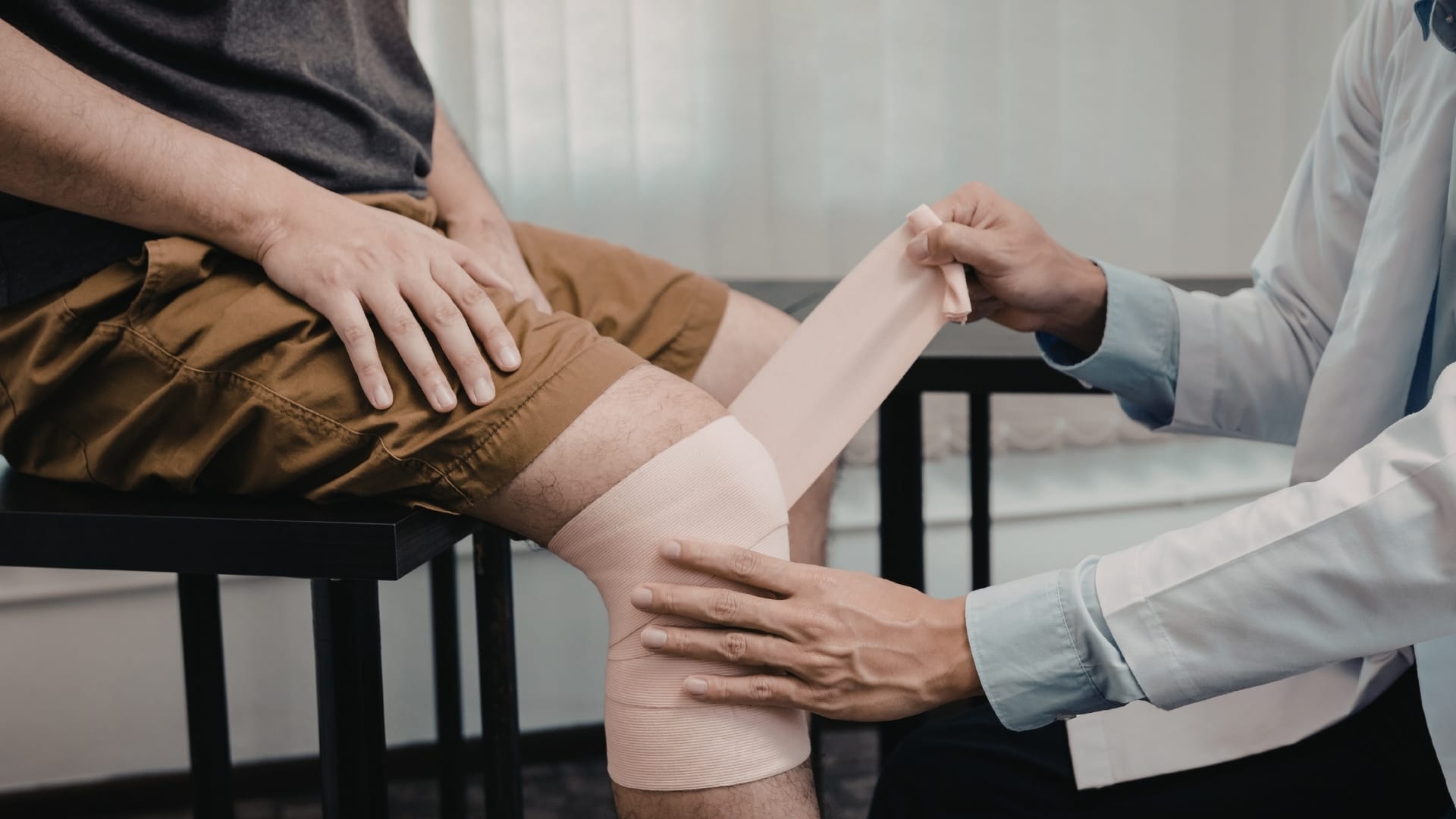
2. R.I.C.E. Protocol
Rice protocol includes:
Rest:
Rest is important after a hamstring injury. Avoid activities that worsen the pain, such as running, jumping, or heavy lifting. Giving your muscles time to heal helps prevent further damage.
Ice:
Apply ice to the injured area for 15-20 minutes every 2-3 hours. Ice helps reduce pain and swelling. Always place a cloth between the ice pack and your skin to avoid irritation.
Compression:
Use an elastic bandage to gently wrap the injured area. Compression helps control swelling and provides light support. Make sure the wrap is snug but not too tight, as it should not cause numbness or increased pain.
Elevation:
Keep your leg raised above heart level whenever possible. Elevation helps reduce swelling by allowing fluid to drain away from the injured area.
3. Physical Therapy
Rehabilitation is essential to:
- Restore flexibility
- Improve strength
- Correct muscle imbalance
- Prevent reinjury
4. Gradual Return to Activity
Returning too soon increases the risk of reinjury and potentially more swelling. A structured rehabilitation plan ensures safe progression.
Recovery Timeline
Recovery from hamstring injuries depends on the grade of injury. The following are recovery timelines for different grades:
Grade 1:
A Grade 1 knee injury is considered mild and typically involves slight stretching or microscopic tearing of the ligament fibers. Recovery usually takes about 1 to 3 weeks, depending on how well the individual follows RICE (rest, ice, compression, elevation), rehabilitation exercises, and ANF Therapy®. Most people can return to normal activities relatively quickly with proper care and gradual strengthening.
Grade 2:
A Grade 2 injury is a moderate sprain involving partial tearing of the ligament. Recovery generally takes between 4 and 8 weeks. During this period, swelling, pain, and limited movement are common. Structured physical therapy, along with ANF Therapy®, is often recommended to restore strength, stability, and range of motion before returning to sports or heavy physical activity.Grade 3:
A Grade 3 injury is severe and involves a complete tear of the ligament. Recovery can take several months and may require surgical intervention in some cases, especially if the knee is unstable.
Prevention Tips
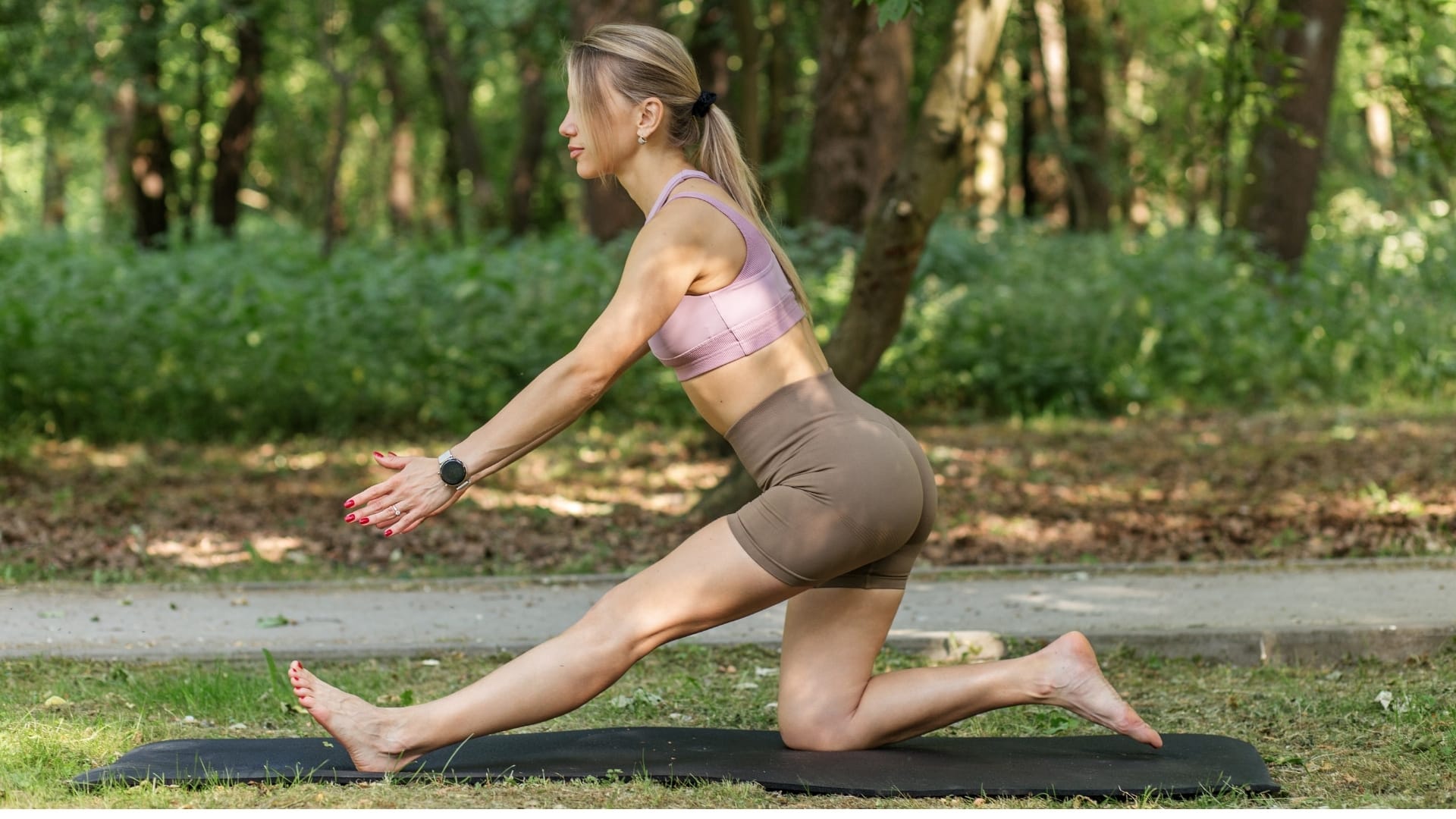
You can prevent hamstring injuries by following these tips.
- Warm up properly
- Stretch regularly
- Strengthen hamstrings and quadriceps
- Maintain proper running mechanics
- Avoid sudden increases in training intensity
- Address muscle imbalances
FAQs
1. Can a hamstring injury really cause knee swelling?
Yes, it can, because the hamstring muscles cross and attach near the knee joint. Inflammation or bleeding from a strain can extend toward the knee area. This may lead to swelling behind or around the knee, especially in moderate to severe injuries.
2. Why is my knee swollen if my pain is in the back of my thigh?
Swelling can occur due to fluid migration (gravity pulling fluid downward), inflammation near the tendon attachment, or irritation of tissues around the knee. Even though the main injury is in the thigh, the knee can still be affected.
3. How long does knee swelling last after a hamstring strain?
Mild (Grade 1) strains may improve within 1–3 weeks. Moderate (Grade 2) injuries can take 4–8 weeks to heal. Severe (Grade 3) injuries may require several months to fully recover. Swelling usually reduces as healing progresses, but persistent swelling should be evaluated.
4. What does hamstring-related knee swelling feel like?
You may notice puffiness behind the knee, tightness when straightening the leg, tenderness near the back of the knee, and bruising that spreads downward toward the calf.
5. Can ANF Therapy® help with hamstring injuries and knee swelling?
ANF Therapy® is used as a complementary, chemical-free approach alongside standard medical treatment for musculoskeletal issues. It involves small wearable devices designed to support the body’s natural processes and may be included as part of a broader recovery plan alongside rehabilitation exercises and other treatments.6. Is R.I.C.E. still recommended for hamstring injuries?
Yes. Rest, Ice, Compression, and Elevation (R.I.C.E.) are commonly recommended during the early phase of injury to help reduce pain and swelling.
7. Can I continue exercising with a swollen knee from a hamstring strain?
It’s best to avoid high-impact or painful activities to prevent reinjury and further swelling.
Conclusion
A hamstring injury not only affects the back of the thigh, but it can also contribute to swelling around the knee. As the hamstring muscles cross the knee joint and attach near its structures, underlying problems such as inflammation, fluid migration, tendon irritation, and altered movement patterns can all lead to knee swelling following a strain. In most cases, this swelling is a natural response to injury and improves with appropriate care and rehabilitation.
However, it is important to monitor symptoms carefully. Significant swelling, instability, locking, severe pain, or difficulty bearing weight may indicate a more serious knee condition that requires medical evaluation. Proper management, including rest, gradual rehabilitation, and supportive therapies such as ANF Therapy®, can help reduce swelling, restore function, and promote safe recovery.