ACL injuries are typically characterised by knee pain, instability, and difficulty walking. However, there are some other facts that most people don’t realise: An ACL (anterior cruciate ligament) tear or strain can also contribute to pain in different areas of the body, including the lower back.
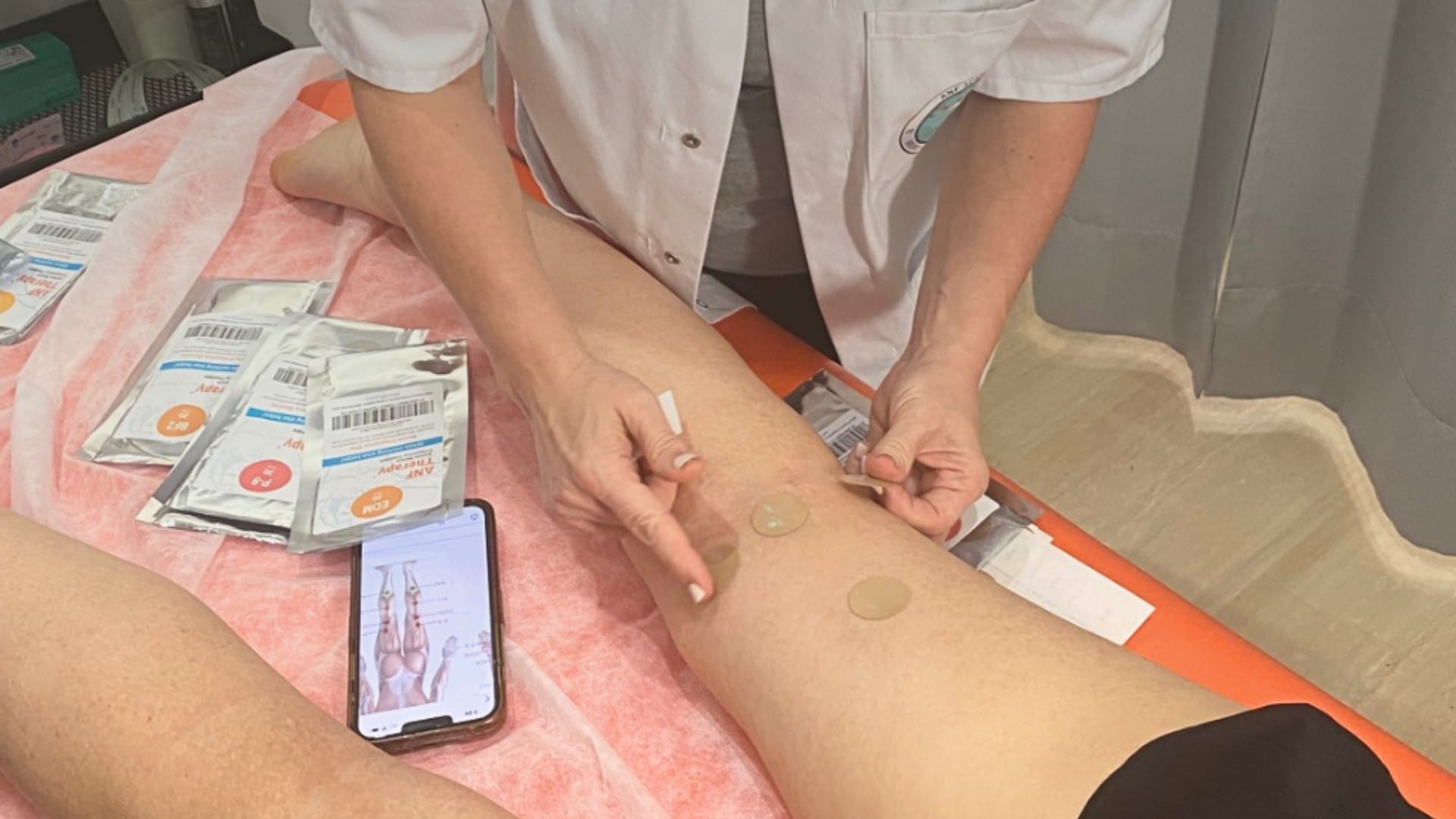
ANF Therapy® is an advanced frequency-based treatment. It utilises frequency-charged ANF Devices that are applied to various parts of the body. It aims to support the body’s natural healing process.
In this blog, we’ll explore the connection between ACL injuries and back pain, how the body compensates for knee instability, what you can do to prevent further issues, and how ANF Therapy® helps treat ACL injuries.
What Is an ACL Injury?
The ACL (anterior cruciate ligament) is one of the key ligaments of your body that stabilises your knee joint. It connects your thigh bone (femur) to the shin bone (tibia) and helps control back-and-forth motion.
ACL injuries typically result from:
- Sudden stops or changes in direction
- Landing awkwardly from a jump
- Direct trauma to the knee (common in sports like football or skiing)

What are the symptoms of ACL injury?
- A popping sensation at the time of injury
- Swelling within hours
- Knee instability
- Difficulty bearing weight
- Difficulty in walking
Can an ACL Injury Cause Back Pain?
Yes, an ACL injury can affect your back. However, an ACL injury doesn’t cause back pain directly; it can lead to biomechanical changes in the way you move, which may trigger or worsen lower back pain over time.
How an ACL Injury Affects Your Spine?
There are various ways through which an ACL Injury can affect your spine. These include the following:
1. Altered Gait and Movement
After an ACL injury, most people can not walk normally as they did. They walk to avoid putting pressure on the injured knee. This change in gait affects the alignment and workload of the pelvis and spine.
That causes:
Overcompensation on the uninjured leg and hip can lead to muscle imbalances.
Poor posture or an uneven stride can put added strain on the lumbar spine, leading to lower back pain.
2. Weak Core and Hip Muscles
Individuals with ACL injuries often experience mobility issues. Therefore, the muscles around the hip and core become weak. Weak core muscles cannot support the spine, making it prone to pain and injury.
3. Kinetic Chain Disruption
The body functions as a kinetic chain. If one link (like the knee) is impaired, other joints (like the hips and spine) must compensate. This may lead to overuse injuries, especially in the back and hips.

Who is most at risk for developing back pain after an ACL injury?
Some factors make you more prone to have back pain after an ACL injury, including;
- Reduced physical activity
- Week core muscles
- Injury to the back
- Long legs
- Poor posture
How to Prevent or Manage Back Pain After an ACL Injury?
You can prevent or manage back pain after an ACL injury by following:
1-ANF Therapy® :
ANF Therapy® is an advanced treatment for ACL injuries and associated symptoms. It is a non-invasive and drug-free approach to treating ACL injury. It aims to support the body’s normal healing process and reduce inflammation.
Outcomes:
ANF Therapy® is a non-invasive, drug-free method. It uses small carbonised metal devices on the skin that are charged with frequencies. In a real-world study involving 1,054 patients across 45 countries, pain levels decreased significantly, from 7.6 to 3.1 out of 10. Common pain areas included the lower back, knee, neck, and shoulder. Patients also showed reduced swelling and improved range of motion. Satisfaction was high (92/100), and side effects, such as dry mouth, headache, and fatigue, were mild and short-term, reported by 42% of patients.
Start your journey with ANF Therapy® :
ANF Therapy® is the newest treatment for injuries, such as ACL injury. If you are experiencing severe back pain due to ACL injury, consult an ANF Practitioner or find an ANF Therapist at www.anftherapy.com/find-clinic to discuss how ANF Therapy® can help you. It offers a drug-free approach that aims to address not only symptoms but also the root cause of the disease.
If you’re a healthcare practitioner and want to enhance your clinical skills with frequency medicine, learn more about the ANF Therapy® and ANF Clinical education program by visiting www.anfacademy.com.
2-Strengthen the core and hips:
You can try targeted exercises for core stability and hip strength, which can support spinal alignment and reduce lower back stress.
3-Improve Posture and Gait
Posture and gait are crucial in managing your back pain. Work with your ANF Therapists to correct your posture and gait issues.
4-Avoid prolonged rest:
Muscle inactivity for an extended period can lead to muscle weakness, which may contribute to back pain. Therefore, maintain a movement within your pain-free range.
Conclusion:
An ACL injury doesn’t just affect your knee; it can also impact your entire body’s balance and potentially lead to lower back pain. That’s because when your movement changes to protect the injured knee, other parts of your body, like your hips and spine, end up working harder. Over time, this can lead to discomfort or back pain. The good news is, there are ways to manage it. ANF Therapy® is a gentle, drug-free option that helps support the body’s natural healing mechanisms and reduce inflammation. Along with proper rehab, strengthening your core, and improving posture, it can make a real difference in how you feel and move.