Can Muscle Damage Be Reversed?
How ANF Therapy®️ Can Help?
Muscle damage is something almost everyone experiences at some point, whether from intense exercise, an injury, aging, or a medical condition. You might feel soreness after a tough workout, weakness following an injury, or stiffness that just doesn’t go away. This often leads to an important question: Can muscle damage be reversed?
The short answer is yes, many types of muscle damage can be repaired or significantly improved, depending on the cause, severity, and how early it is addressed.
ANF Therapy® is an advanced frequency-based approach that is used as a complementary approach in the management of musculoskeletal injuries under the supervision of trained ANF Therapists. It uses small ANF Devices applied to affected areas of your body to support your body’s natural healing system.
In this blog, we’ll explore what muscle damage really is, how the body heals itself, when damage may be permanent, and how supportive approaches like ANF Therapy® can help manage muscle recovery and function.
What Is Muscle Damage?
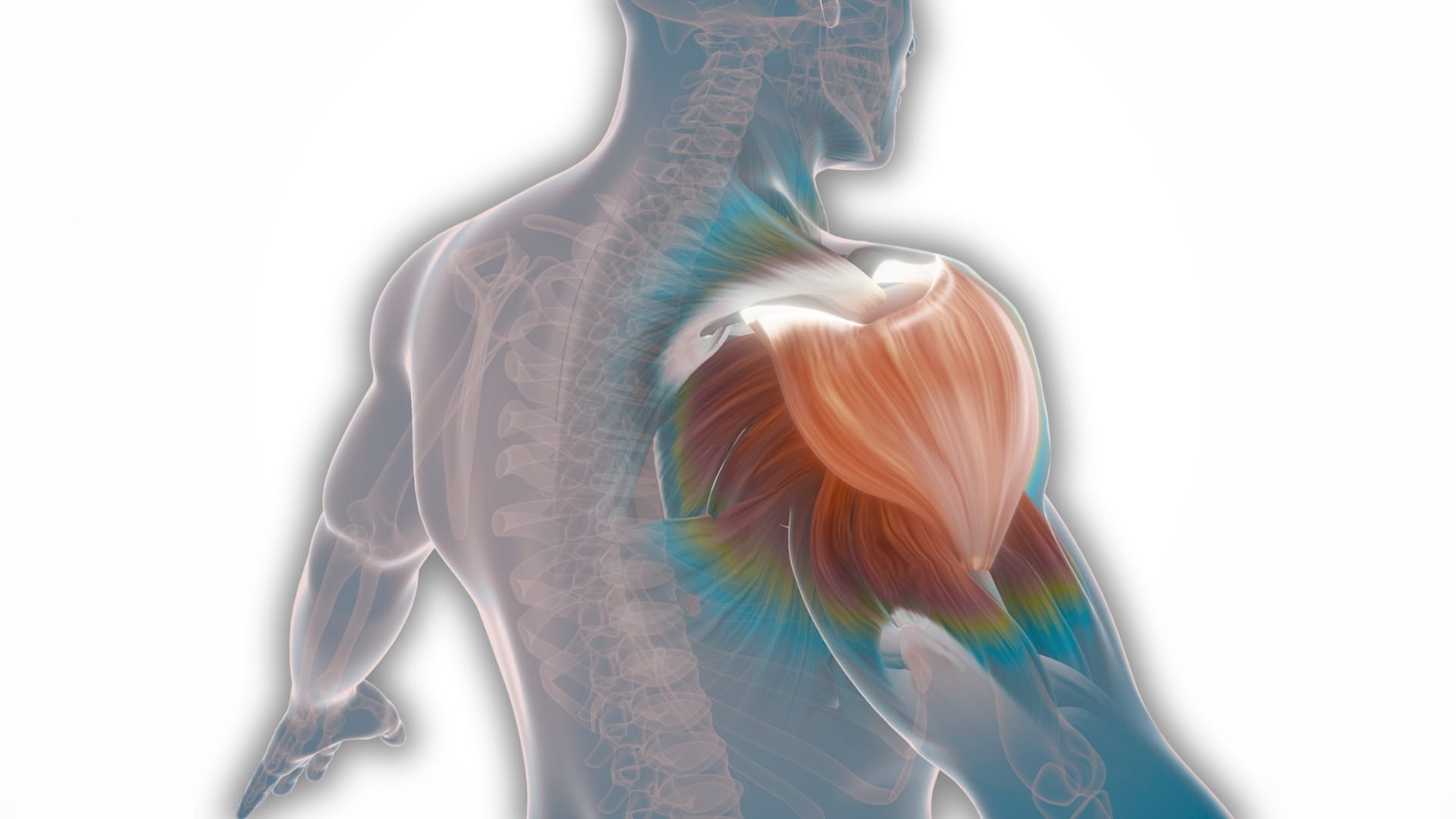
Muscle damage occurs when muscle fibers are stressed beyond their normal capacity. This can happen in several ways:
- Exercise-induced damage (especially strength training or unfamiliar movements)
- Traumatic injuries such as strains, tears, or accidents
- Overuse injuries from repetitive motions
- Aging-related muscle loss (sarcopenia)
- Neurological or medical conditions that affect muscle control or nerve signaling
Muscle damage often involves tiny tears in muscle fibers at the microscopic level. Although it may sound alarming, this process is a normal part of muscle growth and adaptation, particularly during exercise.
Can Muscle Damage Be Reversed?
1. Mild to Moderate Muscle Damage
Mild to moderate muscle damage is highly reversible and commonly occurs after exercise or minor injuries. The body responds by activating a natural repair process in which damaged muscle fibers are cleared and rebuilt with the help of muscle stem cells and increased blood flow. Muscles usually heal within a short period and often return stronger than before with proper rest, nutrition, recovery, and ANF Therapy support. Muscle damage results in activation of the following:
- Inflammation clears damaged tissue
- Satellite cells (muscle stem cells) help rebuild fibers
- Muscles grow back stronger and more resilient
2. Severe Muscle Damage
More serious injuries, such as deep tears or prolonged immobilization, can still improve. However, recovery may take longer and may require:
- Continuous physical therapy
- Gradual strengthening
- Neuromuscular retraining
In some cases, scar tissue can limit full restoration, but function can often be significantly improved with the right interventions.
3. Chronic or Degenerative Muscle Damage
When muscle damage is linked to aging, nerve dysfunction, or chronic conditions, it may not be fully reversible. However, progression can often be slowed, and strength, mobility, and quality of life can still improve with proper management.

Factors That Influence Muscle Recovery
Muscle healing doesn’t happen in isolation. Several factors determine how well and how fast muscles recover:
Age:
Age plays an important role in the muscle-healing process. As we grow older, the body’s ability to repair and regenerate tissue gradually slows down. Muscle cells take longer to recover, and the production of proteins needed for repair may decrease, which can extend recovery time.
Nutrition:
Nutrition is another key factor in healing. Muscles rely on adequate protein to rebuild damaged fibers, while vitamins and minerals support tissue repair, reduce inflammation, and maintain overall muscle health. Poor nutrition can significantly delay recovery.
Blood flow:
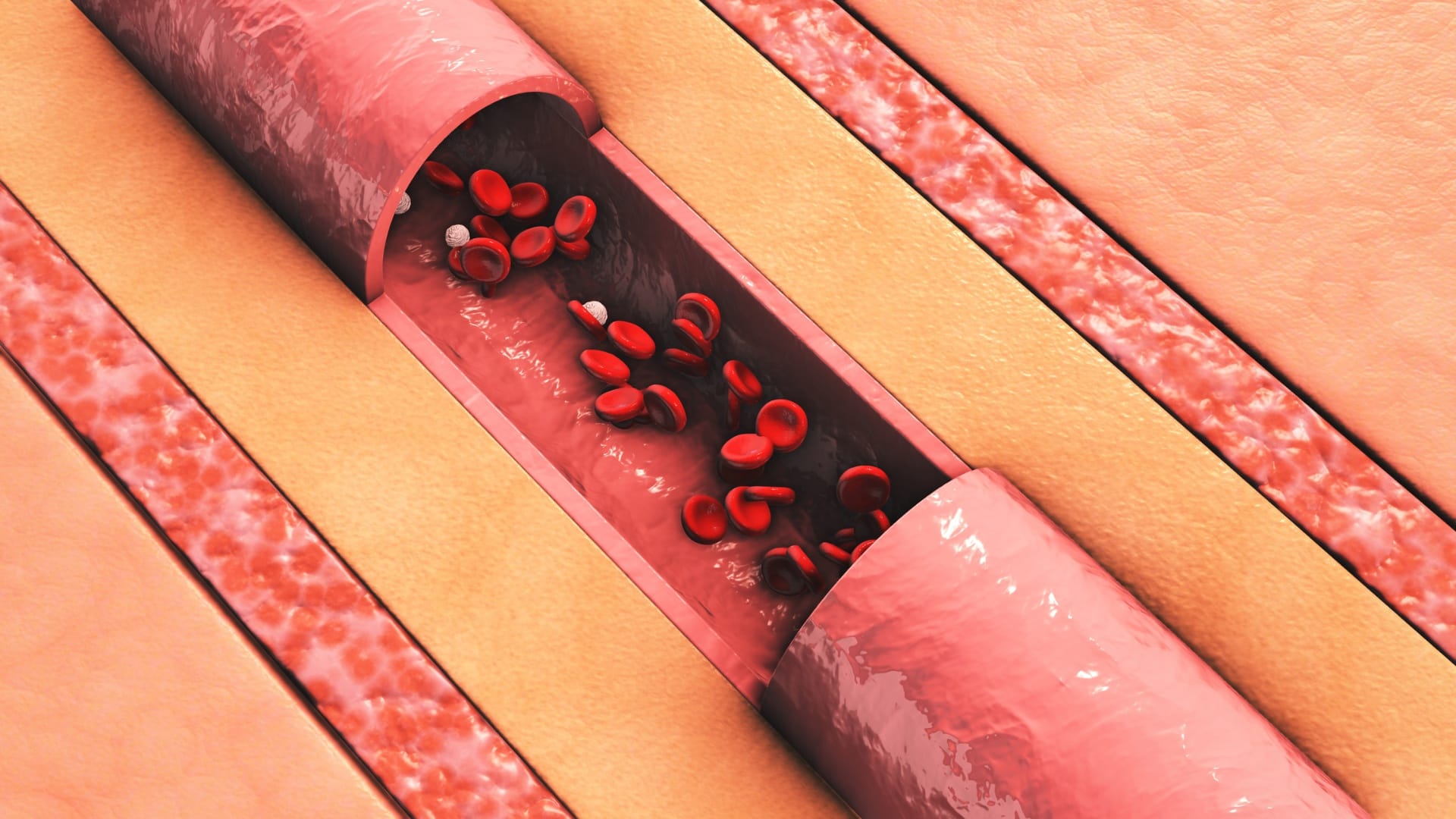
Blood flow and oxygen delivery are essential for muscle repair. Healthy circulation ensures that injured muscles receive enough oxygen and nutrients while waste products are efficiently removed. Reduced blood flow can slow the healing process and increase stiffness or fatigue.
Nervous system:
The nervous system also plays a crucial role in muscle recovery. Proper nerve signaling allows muscles to activate correctly and coordinate movement. When nerve function is impaired, muscles may weaken or fail to recover efficiently. ANF Therapy® helps support your nervous system signaling and healing process.
Posture:
Movement patterns and posture influence how stress is distributed across the muscles. Poor posture or inefficient movement can overload certain muscles, slowing healing and increasing the risk of re-injury.
Rehabilitation:
Consistency in rehabilitation plays an important role in recovery. Regular exercises and therapy help muscles regain strength, flexibility, and coordination over time. Inconsistent recovery efforts can delay progress and limit long-term improvement.
How ANF Therapy® Helps Manage Muscle Damage?
ANF Therapy® is an advanced, non-invasive, and chemical free appraoch that works on the principles of frequency medicine. It utilizes small wearable devices. These devices are applied to certain body areas. ANF Therapy® supports the natural healing mechanisms of your bodyto help manage muscle damage. It is designed to be used in rehabilitation and clinical settings under the direction or supervision of trained healthcare professionals.
ANF Therapy® may also be used alongside physical therapy, mobility work, and strength-based exercises rather than as a standalone intervention.
Start your journey with ANF Therapy®:
ANF Therapy® is the newest frequency-based approach that complements the management of all kinds of musculoskeletal issues, including muscle damage caused by exercise, injury, or age-related conditions. If you are experiencing pain and stiffness in your muscles and want a natural and effective solution, consult an ANF Practitioner or find an ANF Therapist at www.anftherapy.com/find-clinic to discuss how ANF Therapy® can be helpful.
If you’re a healthcare practitioner and want to enhance your clinical skills with frequency medicine, learn more about the ANF Therapy® and ANF Clinical education program by visiting www.anfacademy.com.

Can ANF Therapy® Reverse Muscle Damage?
ANF Therapy® does not directly reverse structural muscle damage, such as torn fibers or scar tissue. However, it can:
- Help improve how existing muscle tissue functions
- Support the body’s natural healing processes
- Improve strength and control in surrounding muscles
- Help individuals regain confidence in movement
In many cases, people experience improved performance, reduced discomfort, and better muscle engagement, even when full structural reversal is not possible.
Who May Benefit Most from ANF Therapy®?
ANF Therapy® may be particularly helpful for:
- Individuals recovering from muscle injuries
- People with chronic muscle tightness or weakness
- Athletes looking to improve recovery and performance
- Older adults managing age-related muscle decline
- Those experiencing muscle issues linked to nerve dysfunction

Final Thoughts
Muscle recovery is not just about the muscle itself. It is about how the entire neuromuscular system works together. Approaches like ANF Therapy® focus on nerve-muscle communication and offer a valuable and non-invasive way to support recovery, movement quality, and long-term muscle health.
ANF Therapy® can be a powerful part of a comprehensive muscle management strategy thats helps individuals move better, feel stronger, and reduce the risk of future damage when combined with proper nutrition, rest, and professional guidance.