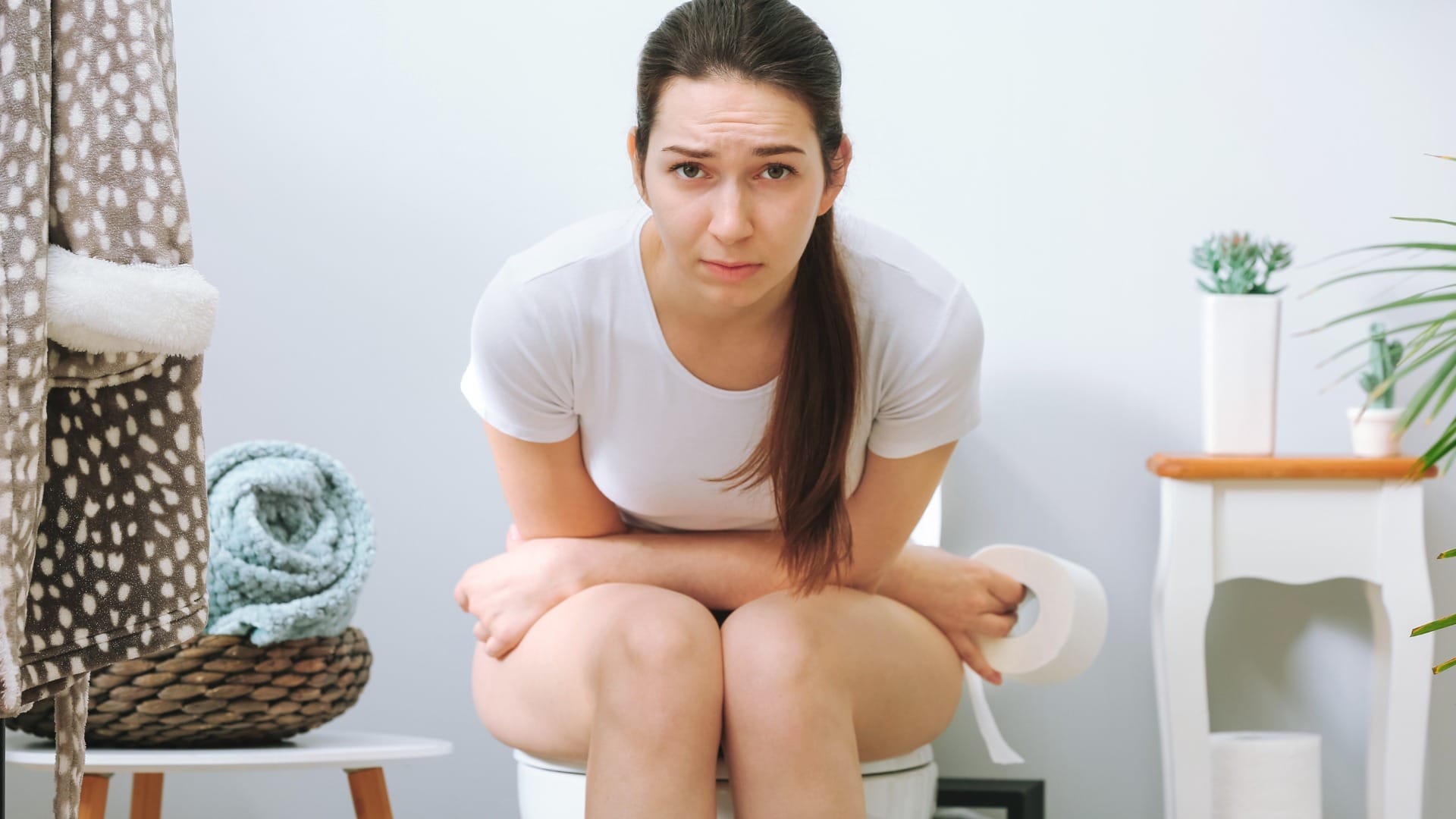
Constipation is one of the most prevalent complaints related to the gastrointestinal system, but it is not always caused by slow digestion or poor diet. In many cases, both men and women experience constipation due to pelvic floor dysfunction (PFD), a condition in which the muscles and nerves responsible for bowel movements fail to work correctly. When these muscles do not relax properly, stool passage becomes difficult, resulting in chronic discomfort, straining, and a persistent feeling of incomplete evacuation.
In this blog, we’ll explore how pelvic floor dysfunction leads to constipation, symptoms, and treatments, including ANF Therapy®, which may support improved muscle coordination and bowel function.
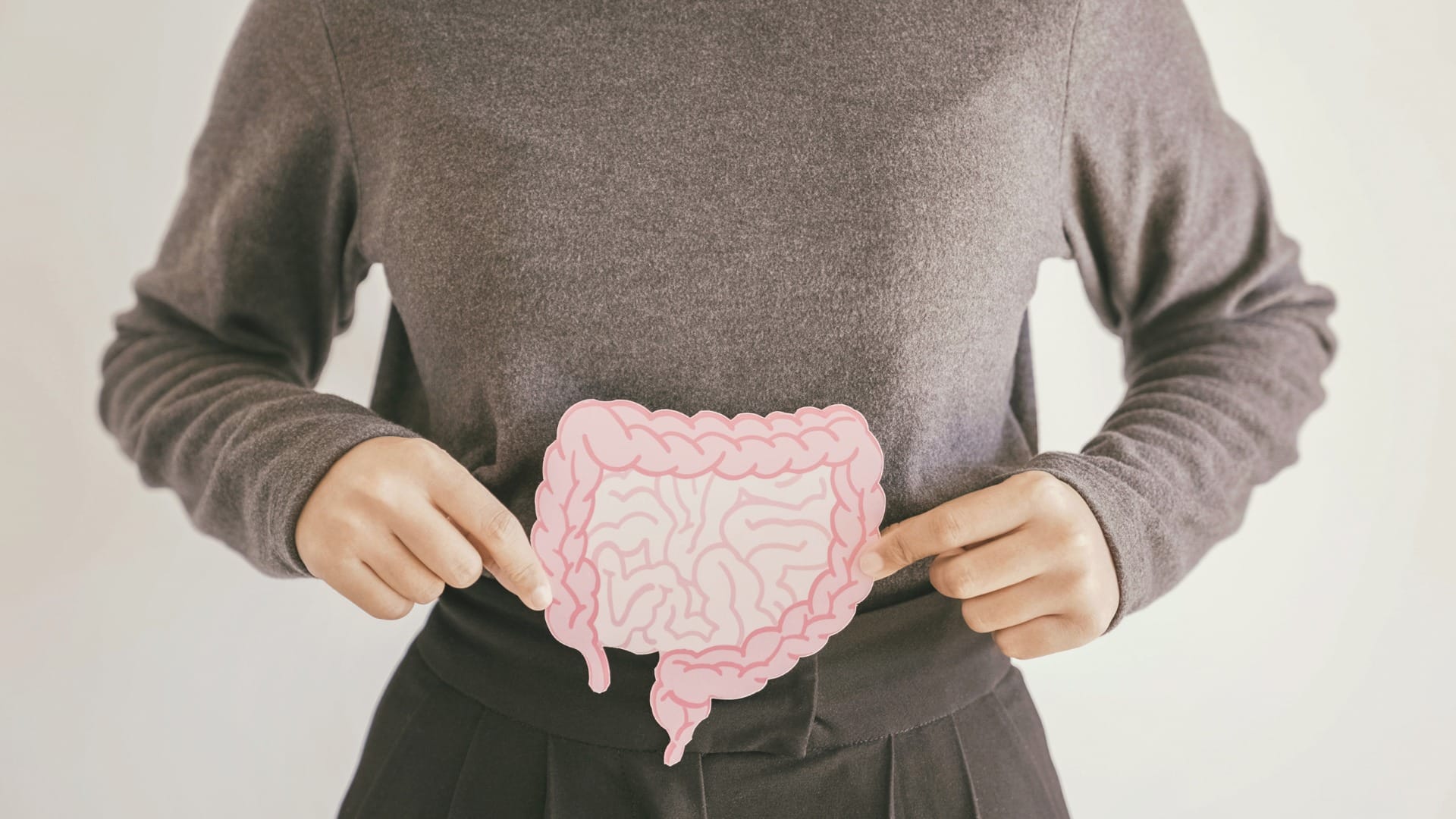
What Happens During Normal Bowel Movements?
A regular bowel movement requires the following sequence:
- Stool enters the rectum, triggering the urge to defecate.
- The rectum contracts to push stool toward the anus.
- Pelvic floor muscles, including the puborectalis, relax to open the anorectal angle.
- Abdominal muscles contract gently to increase intra-abdominal pressure.
- Anal sphincters relax to allow stool to pass.
When all these elements work together, elimination occurs smoothly. Any disruption in this process can lead to constipation, even when the digestive system and stool consistency are normal.

What Is Pelvic Floor Dysfunction?
Pelvic floor dysfunction occurs when pelvic floor muscles fail to coordinate properly during bowel movements. Instead of relaxing, these muscles may:
- Stay excessively tight
- Contract at the wrong time
- Resist stool passage
- Maintain high resting tension
How Pelvic Floor Dysfunction Causes Constipation
Pelvic floor dysfunction-induced constipation is functional rather than structural. Unlike slow transit constipation, this form results from abnormal muscle coordination.
1. Failure to Relax
During defecation, pelvic floor muscles should lengthen and relax. In PFD, these muscles remain tense or contract when they should relax, reducing the anorectal angle and creating a blockage.
2. Paradoxical Contraction
Dyssynergia occurs when pelvic muscles and anal sphincters tighten instead of opening. It prevents stool from exiting the rectum.
3. Chronic Muscle Tension
Persistent tension in the pelvic floor narrows the outlet, making evacuation more difficult. Over time, even minor stool buildup can cause discomfort.
4. Nervous System Dysregulation
The pelvic floor relies on precise nervous system signaling. Stress, past trauma, or chronic pain can disrupt this communication, causing poor muscle coordination.
5. Habitual Straining
Repeated straining teaches the muscles to “guard,” reinforcing dysfunctional patterns. This habitual response exacerbates constipation even when diet and transit are normal.
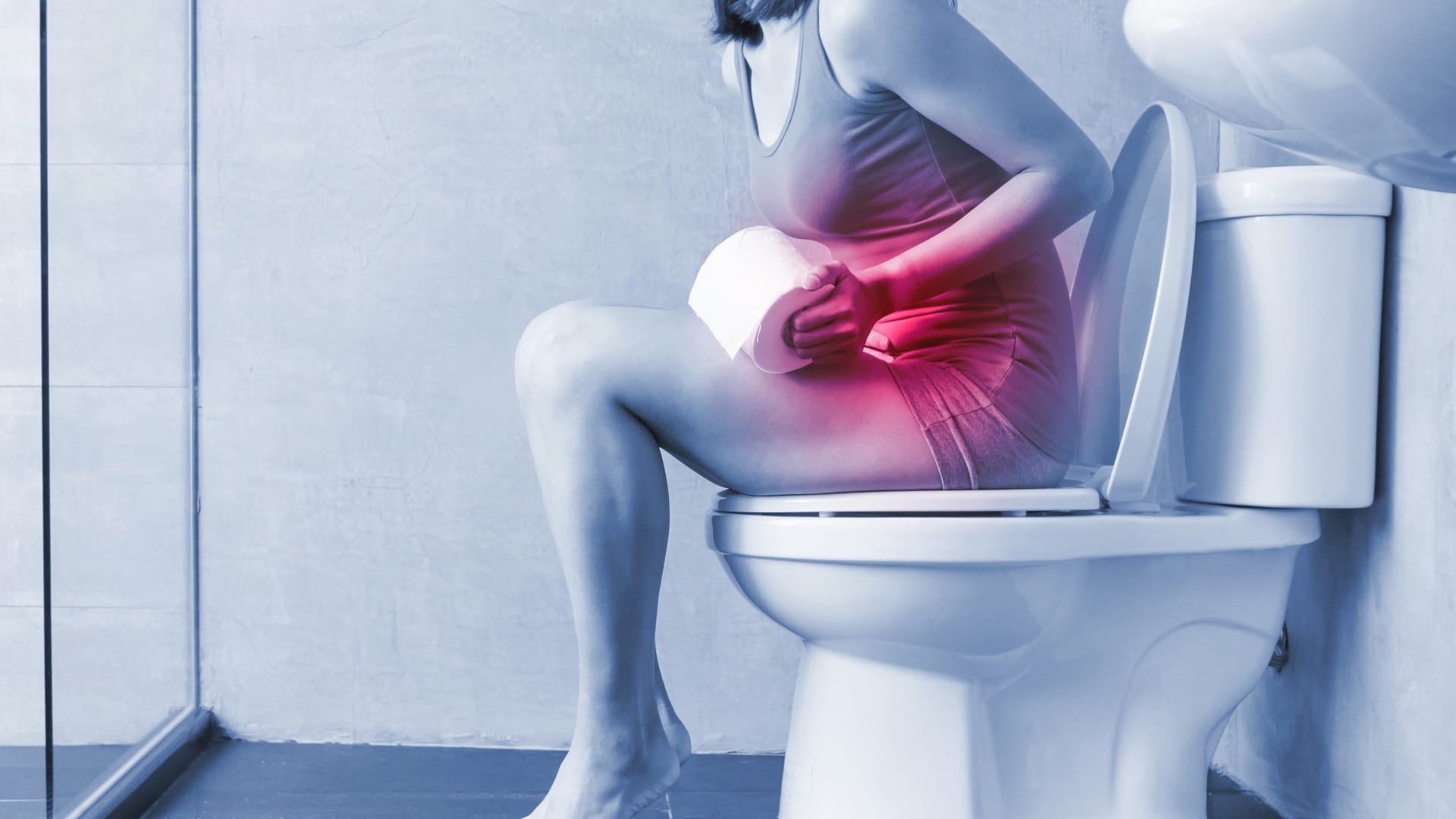
Symptoms of Pelvic Floor Dysfunction–Related Constipation
Symptoms often overlap with general constipation but include unique patterns:
- Difficulty initiating bowel movements
- Straining excessively
- Feeling an incomplete evacuation
- Narrow, pellet-like stools
- Need to use fingers or change position
- Pelvic pressure or discomfort during defecation
Can Pelvic Floor Dysfunction Cause Bloating?
Yes, pelvic floor dysfunction can contribute to bloating and abdominal discomfort. When the pelvic floor muscles do not relax properly during bowel movements, stool and gas can accumulate in the rectum and lower intestines. This functional outlet obstruction slows normal evacuation and gives a sensation of fullness, pressure, or distension in the lower abdomen. Additionally, altered muscle coordination can affect the autonomic regulation of intestinal motility, further contributing to bloating. People with PFD may notice that bloating worsens after meals or during periods of constipation.
Treatment Options for Pelvic Floor Dysfunction Constipation
ANF Therapy®
ANF Therapy® is a frequency-based, non-invasive approach that focuses on supporting neuromuscular communication and nervous system regulation. It is used by trained ANF Practitioners as a complementary option within broader wellness and recovery strategies for individuals experiencing pelvic floor tension or coordination challenges.
ANF Devices are placed on specific areas of the body to support the body’s healing processes and muscular behavior. This is not a replacement for established medical treatments, but rather a complementary option alongside pelvic physiotherapy, coordination training, and clinical evaluation under professional guidance.
Pelvic Floor Physical Therapy
Pelvic floor rehabilitation with a trained therapist includes:
- Muscle training to normalize muscle coordination
- Neuromuscular re‑education to improve relaxation
- Coordination exercises for abdominal and pelvic actions
Studies show that physiotherapy can significantly improve outcomes and reduce symptoms in many individuals with pelvic floor dysfunction and constipation.
Breathing and Core Coordination
Effective diaphragmatic breathing plays a vital role in maintaining healthy pelvic floor function. By inhaling deeply into the diaphragm, pressure within the abdominal cavity is balanced, allowing the pelvic floor muscles to relax instead of remaining tense. Pairing this deep breathing with proper core engagement helps synchronize the abdominal muscles, diaphragm, and pelvic floor, enhancing overall coordination. It eases unnecessary muscle tension, supports smoother bowel movements, and helps prevent constipation. With consistent practice, diaphragmatic breathing can also strengthen core stability, improve posture, and provide better overall support for the pelvic region.
Lifestyle and Toilet Posture
Small, practical adjustments in daily habits can significantly ease pelvic floor strain. For example, elevating your feet on a small stool while sitting on the toilet helps open the anorectal angle, making bowel movements smoother and reducing the need to strain. Paying attention to posture during sitting, standing, and lifting activities also lessens unnecessary pressure on the pelvic floor, supporting healthier muscle coordination and overall function.
Nervous System Regulation
Chronic stress and tension can keep pelvic floor muscles in a state of constant contraction. Learning to manage stress and calm the nervous system helps these muscles relax naturally, improving coordination for both bladder and bowel function. Stress-reduction techniques such as mindful breathing, progressive muscle relaxation, and stress-management strategies can retrain the body to respond to pressure and movement in a balanced, efficient way.

Can Pelvic Floor Dysfunction Constipation Be Reversed?
Yes, pelvic floor‑related constipation can improve with targeted treatment. Early recognition and proper treatment can provide symptom relief. Some patients may require multidisciplinary care that includes muscle retraining, behavioral changes, and supportive therapies like ANF Therapy®.
When to Seek Medical Attention
See a healthcare provider promptly if you experience:
- Severe abdominal pain
- Blood in stool
- Sudden worsening of symptoms
- Unintended weight loss
Frequently Asked Questions
Does pelvic floor dysfunction always cause constipation?
No, pelvic floor dysfunction does not always cause constipation, but it is a common functional contributor. Constipation often occurs when the pelvic floor muscles fail to relax or coordinate properly during bowel movements.
Can Kegel exercises make constipation worse?
Yes, performing Kegel exercises incorrectly or without guidance can worsen constipation, especially if pelvic floor muscles are already tight or non-relaxing. Strengthening alone may increase muscle tension and impair coordination.

Is pelvic floor dysfunction permanent?
No, pelvic floor dysfunction is not permanent. Most individuals experience gradual improvement with targeted therapy, including pelvic floor retraining, diaphragmatic breathing, posture optimization, and stress management. Consistent practice over time can restore coordination and reduce or eliminate symptoms.
How long does treatment take for pelvic floor dysfunction?
Treatment duration of PFD varies depending on the severity of the dysfunction and individual response. Some people notice improvements in a few weeks with regular therapy, while complete recovery may take several months of consistent neuromuscular retraining, exercise, and lifestyle modifications.
Conclusion
Pelvic floor dysfunction is a common but often overlooked cause of constipation that affects both men and women. When pelvic floor muscles fail to relax or coordinate properly, stool passage becomes difficult, leading to chronic straining, bloating, and incomplete evacuation. This functional obstruction can persist even when diet, hydration, and bowel motility are normal. Targeted therapies such as physical therapy, diaphragmatic breathing, lifestyle adjustments, and ANF Therapy® can improve muscle coordination, reduce tension, and restore healthy bowel function.
ANF Therapy® is a frequency-based, non-invasive approach used as a complementary option within broader wellness and recovery strategies for individuals experiencing musculoskeletal discomfort, including pelvic floor-related tension or coordination challenges. If you are experiencing weakness or pain in the pelvis, consult an ANF Practitioner or find an ANF Therapist at www.anftherapy.com/find-clinic to discuss how ANF Therapy®can help.
If you’re a healthcare practitioner and want to enhance your clinical skills with frequency medicine, learn more about the ANF Therapy® and ANF Clinical education program by visiting www.anfacademy.com.