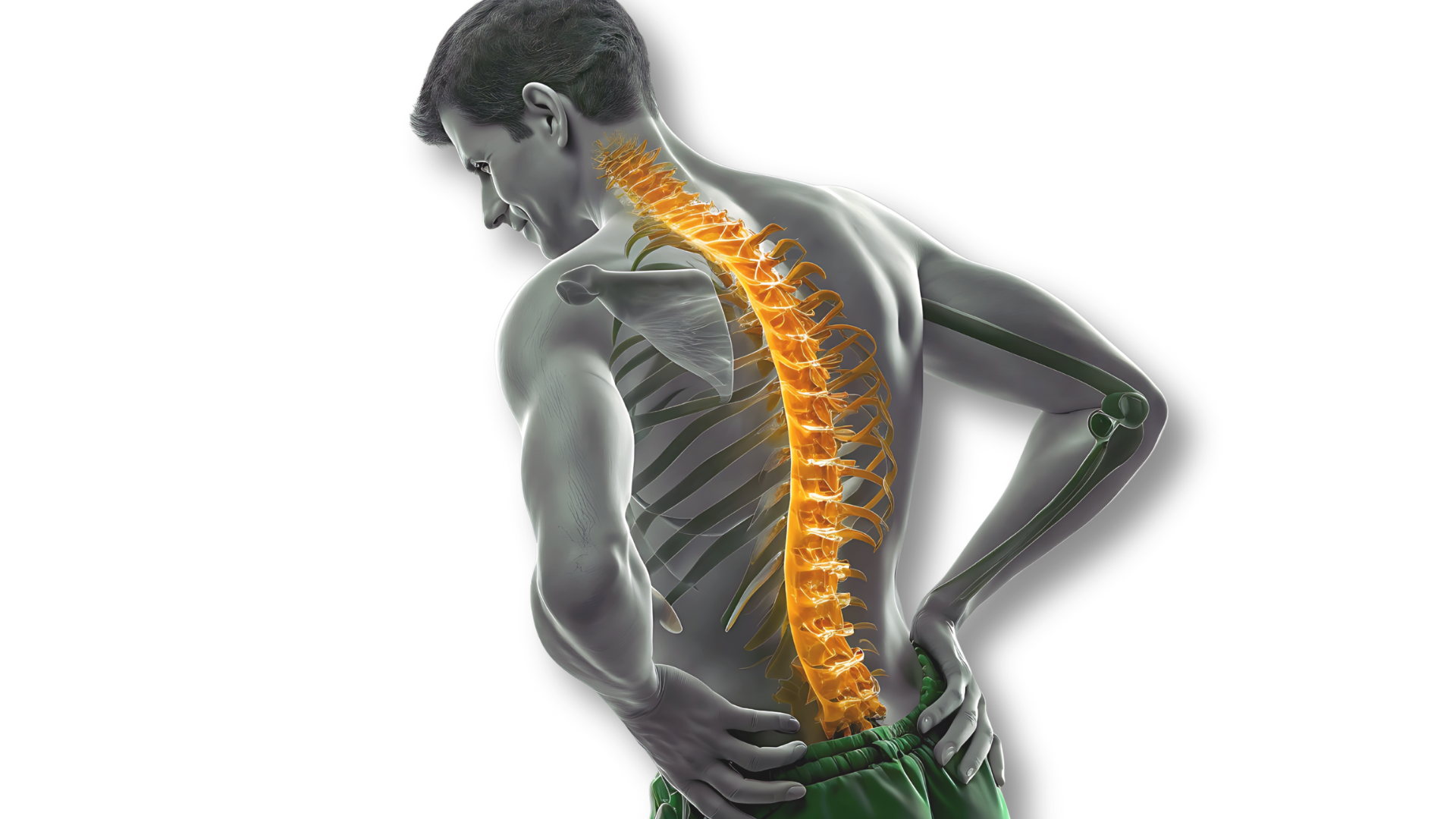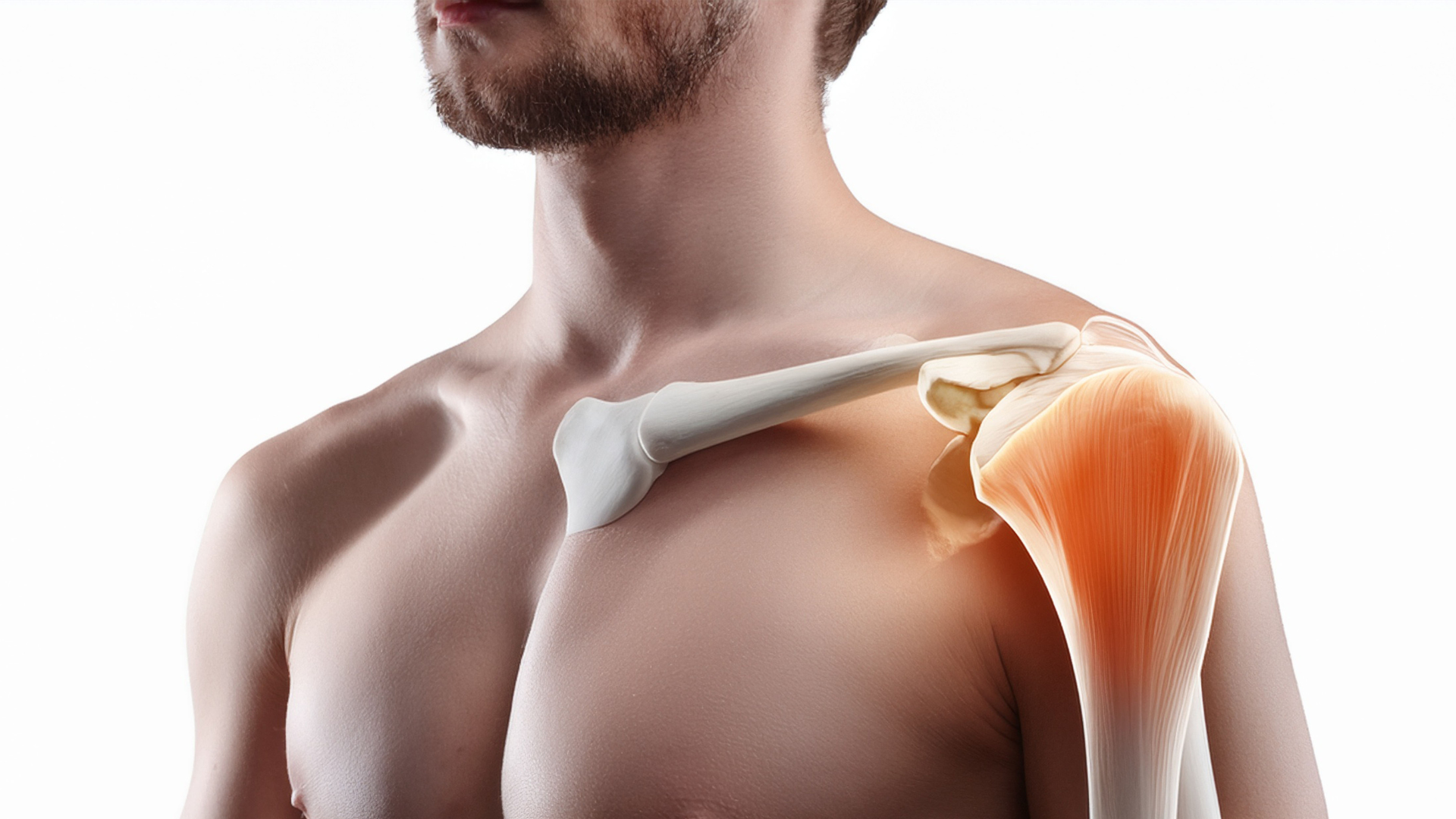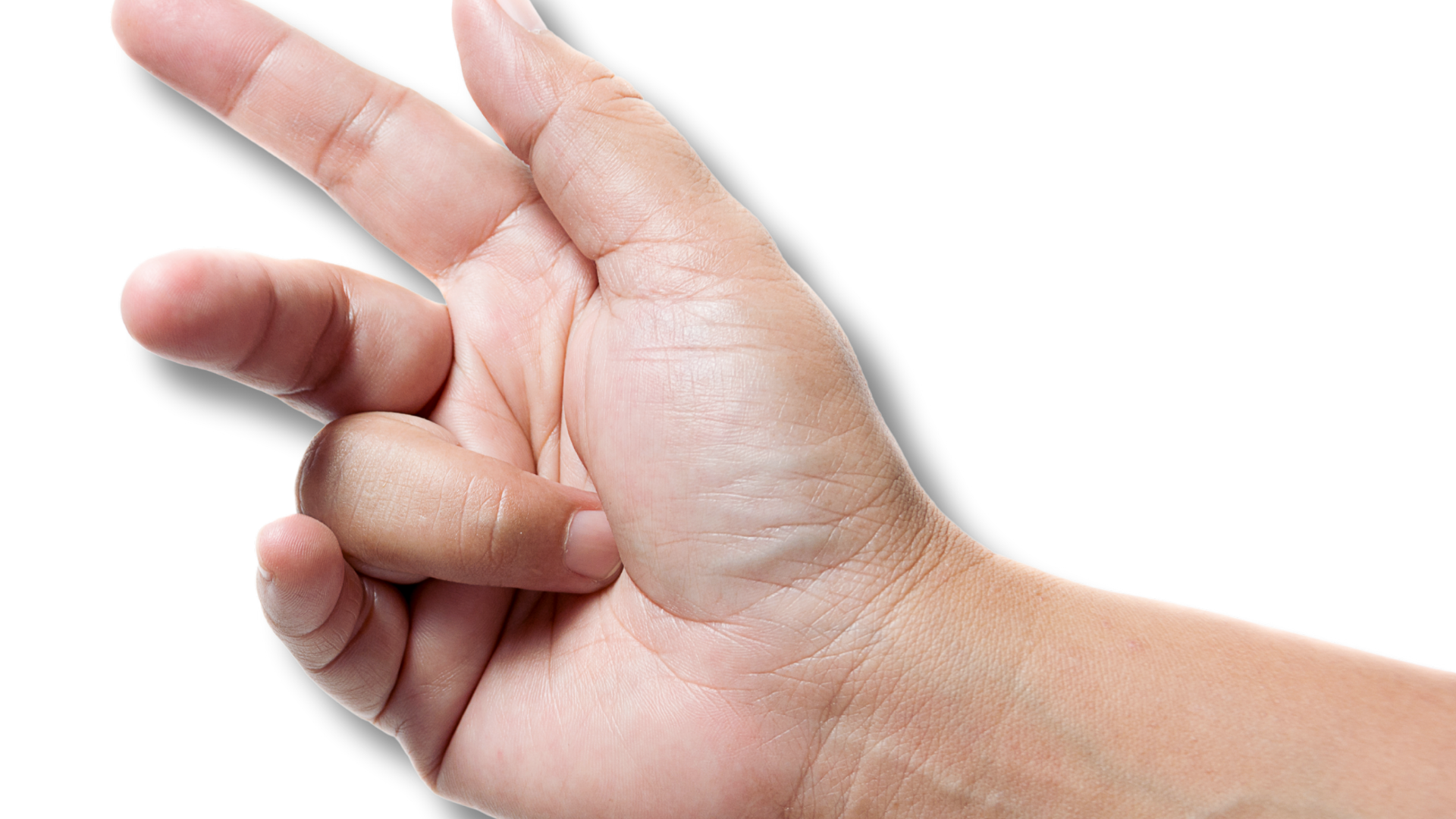
Trigger finger is a common disorder of the hand that affects how conveniently a finger or thumb can move at its joint. It is estimated to affect 2-3% of the general population. Even though surgery is often discussed as a definitive treatment for trigger finger, many patients wonder if the condition can improve without it.
Fortunately, in many cases, non-surgical treatment is effective for the trigger finger. This is especially true when trigger finger symptoms are identified early.
ANF Therapy® is the newest frequency-based approach that aids in the recovery of musculoskeletal conditions, such as trigger finger. This therapy utilises small ANF Devices that are applied to the affected areas of your body. In this article, you’ll learn how trigger finger develops and why surgery is sometimes recommended for trigger finger. You’ll also learn when surgery for trigger finger can be safely avoided and how ANF Therapy® can be helpful.
What Is a Trigger Finger?
Trigger finger is medically called stenosing tenosynovitis. It is a musculoskeletal disorder of the fingers. Each finger bends because of a flexor tendon that runs from the forearm into the hand. This tendon passes through a series of small pulleys, which hold it close to the bone and guide its movement.
The most commonly involved pulley is the A1 pulley, which is at the base of the finger near the knuckle. In a healthy finger, the flexor tendon glides smoothly through this pulley. In trigger finger, repeated irritation and inflammation cause changes in both structures:
- The tendon becomes thicker.
- It may also develop a small swelling
- The pulley becomes tighter and less flexible
- The space for the tendon to move becomes too narrow
- Due to the tightening of space, the tendon cannot slide freely.
- When the finger bends, the tendon catches at the pulley.
- When the tendon finally passes through, it releases suddenly, causing symptoms

Common Symptoms of Trigger Finger:
Symptoms of trigger finger usually develop gradually. In the early stages, symptoms may be intermittent. Common symptoms for which people get trigger finger surgery include:
- Finger stiffness, especially in the morning and after periods of rest
- Pain at the base of the finger or thumb. It often involves the palm near the knuckle
- A clicking, snapping, and popping sensation during finger movement
- Finger locking in a bent position during flexion
- Needing to use the opposite hand to straighten the affected finger
Why Is Trigger Finger Treated Surgically?
Trigger finger is treated surgically when symptoms do not improve with nonsurgical care. Overall, trigger finger release surgery has a high success rate (exceeding 90%) and often provides lasting relief. However, because many cases respond well to conservative treatment, surgery is usually not necessary.

What Are the Downsides of Surgery for Trigger Fingers?
Trigger finger release is usually a small procedure, but it is still surgery and should be considered carefully. While many people do well, it comes with risks, recovery time, and practical challenges.
1-Medical Risks:
As with any surgical procedure, trigger finger surgery carries medical risks. These complications are uncommon, but they are important to understand before deciding on surgery:
- Infection at the incision site
- Scar tenderness
- Sensitivity and pain, especially during gripping movements
- Finger stiffness in the early recovery period may persist
- Nerve injury during the surgery, which can affect muscle control and sensations
2-Recovery Considerations
Even though recovery is usually faster than major joint surgery, healing still takes time:
- Temporary pain or swelling is common after surgery
- Limited gripping and lifting movements may be required for several weeks
- Time away from work may be needed, especially for people who use their hands heavily at work.
3-Practical Impact
For people with mild or moderate symptoms, downsides may outweigh the immediate benefits of surgery. This is because, beyond medical recovery, surgery can affect daily life in other ways:
- Temporary loss of hand function
- Procedure and follow-up costs
- Disruption to work and household responsibilities
- Learning how to adjust to sudden life changes after surgery

Can Trigger Finger Heal Without Surgery?
Trigger finger may improve without surgery. Trigger finger is an inflammatory condition, not a torn tendon. Due to this, symptoms can improve when inflammation is reduced and stress on the tendon is limited.
ANF Therapy® is an advanced frequency-based approach that supports traditional treatment options. It utilises small ANF Devices that are applied to the affected areas of your body. This therapy helps support the body’s natural healing mechanisms that are responsible for reducing inflammation and strengthening the surrounding muscles.
Clinical studies show that ANF Therapy® improved pain and inflammation in patients with pain, inflammation, and limited mobility. In a study of 1,054 patients from 45 countries, average pain scores dropped from 7.6 to 3.1 out of 10. Most patients applied them to the lower back, knees, neck, and shoulders. Patients also experienced less swelling and better movement. Satisfaction levels were high (92/100), while mild, short-term side effects such as dry mouth, headache, and fatigue were reported by 42% of participants. The findings show that ANF Therapy® has promising results.
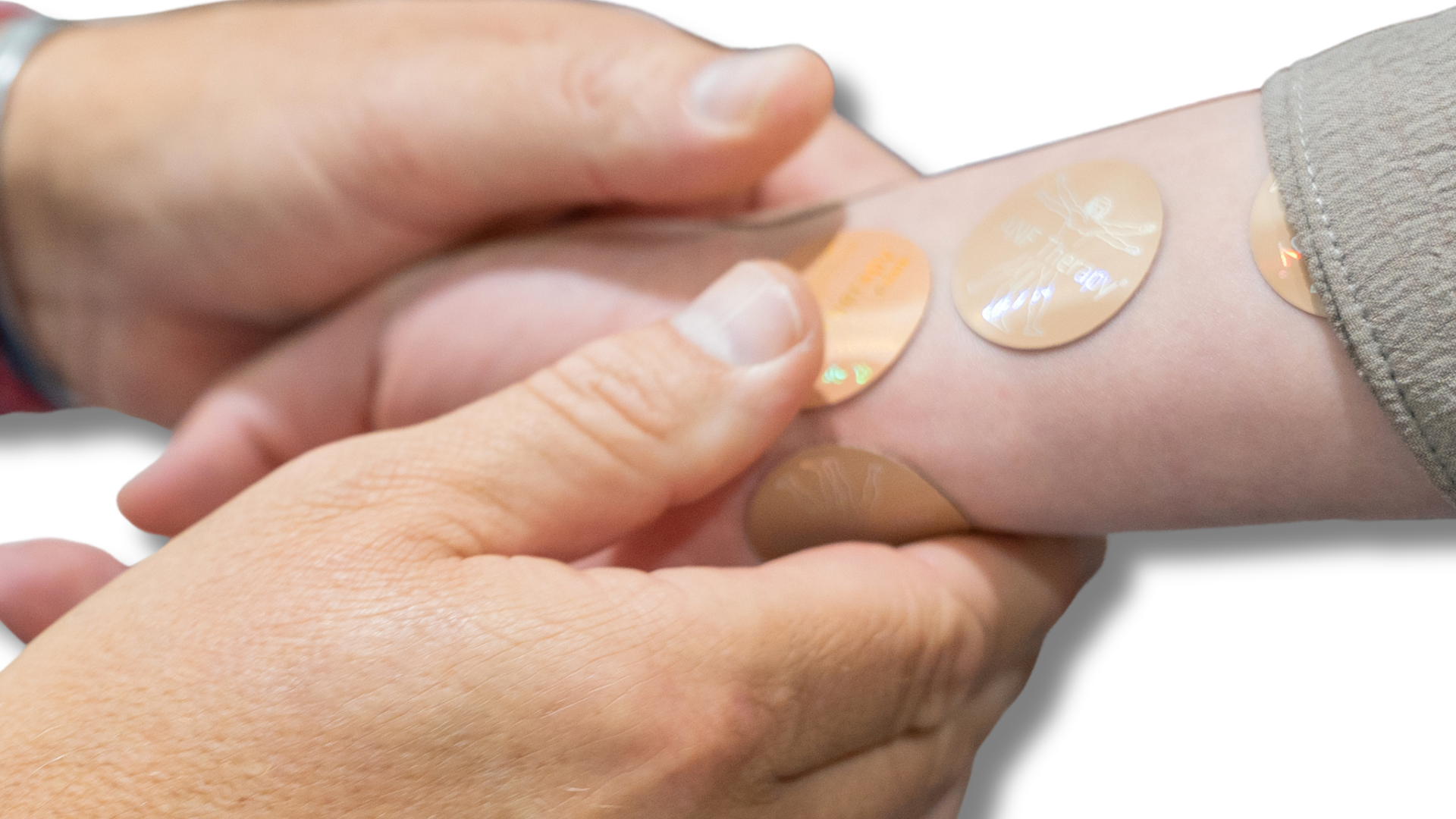
Start your journey with ANF Therapy®:
Who May Not Need Surgery for Trigger Finger?
Not everyone with a trigger finger needs surgery. You may be able to manage symptoms without an operation if the condition is mild, early, or responds well to conservative care. The decision of surgery for a trigger finger depends on the following factors:
Response to Conservative Treatment
Many people improve with non-surgical options, which may have success rates of 50-80%. However, results tend to be less predictable in people with diabetes.
Course of Symptoms
You may not need surgery if your symptoms are mild, intermittent, and manageable. This is often the case when:
- Clicking occurs occasionally, rather than with every finger movement
- Pain is present but manageable, and does not persist throughout the day
- Symptoms improve with rest or with simple changes in daily activities
- When symptoms follow this pattern, conservative treatment is often effective, and surgery may not be necessary.
Preserved Finger Motion
When normal motion is preserved, conservative care often provides good results, and surgery may be avoided. This is usually the case if:
- You can straighten the finger on your own without using the other hand
- The finger does not stay locked in a bent position
Early-Stage Disease
In the early stages, inflammation is more reversible, and the tendon is less likely to be permanently restricted. This makes conservative treatment more effective and reduces the need for surgery.
Moreover, outcomes usually improve when:
- Symptoms have been present for a shorter period of time
- There is no long-standing stiffness or fixed deformity
When Surgery May Be Necessary for Trigger Finger?
In some cases, trigger finger causes a persistent mechanical blockage that is unlikely to improve with rest or conservative treatment alone. Surgery may be more appropriate when one or more of the following are present:
- Frequent finger locking, especially during routine movements
- The finger remains stuck in a bent position for prolonged periods
- Non-surgical treatments fail to provide enough symptomatic relief
- Pain becomes severe or constant, rather than occasional
- Daily activities become difficult and painful to the point of debilitation
- The finger cannot be straightened at all, even with effort
- There is a total loss of motion over time
- Symptoms have been present for a long duration without improvement