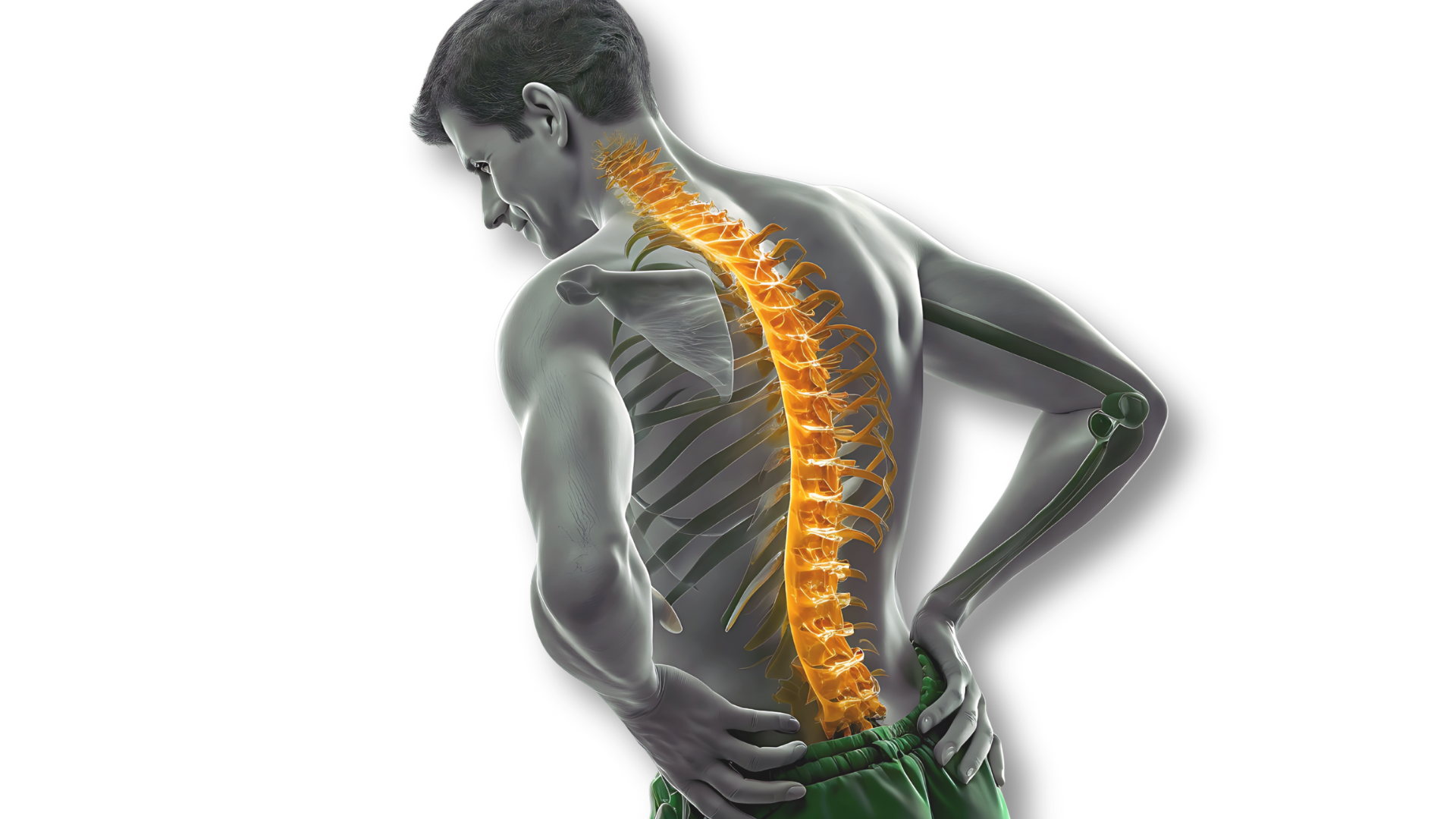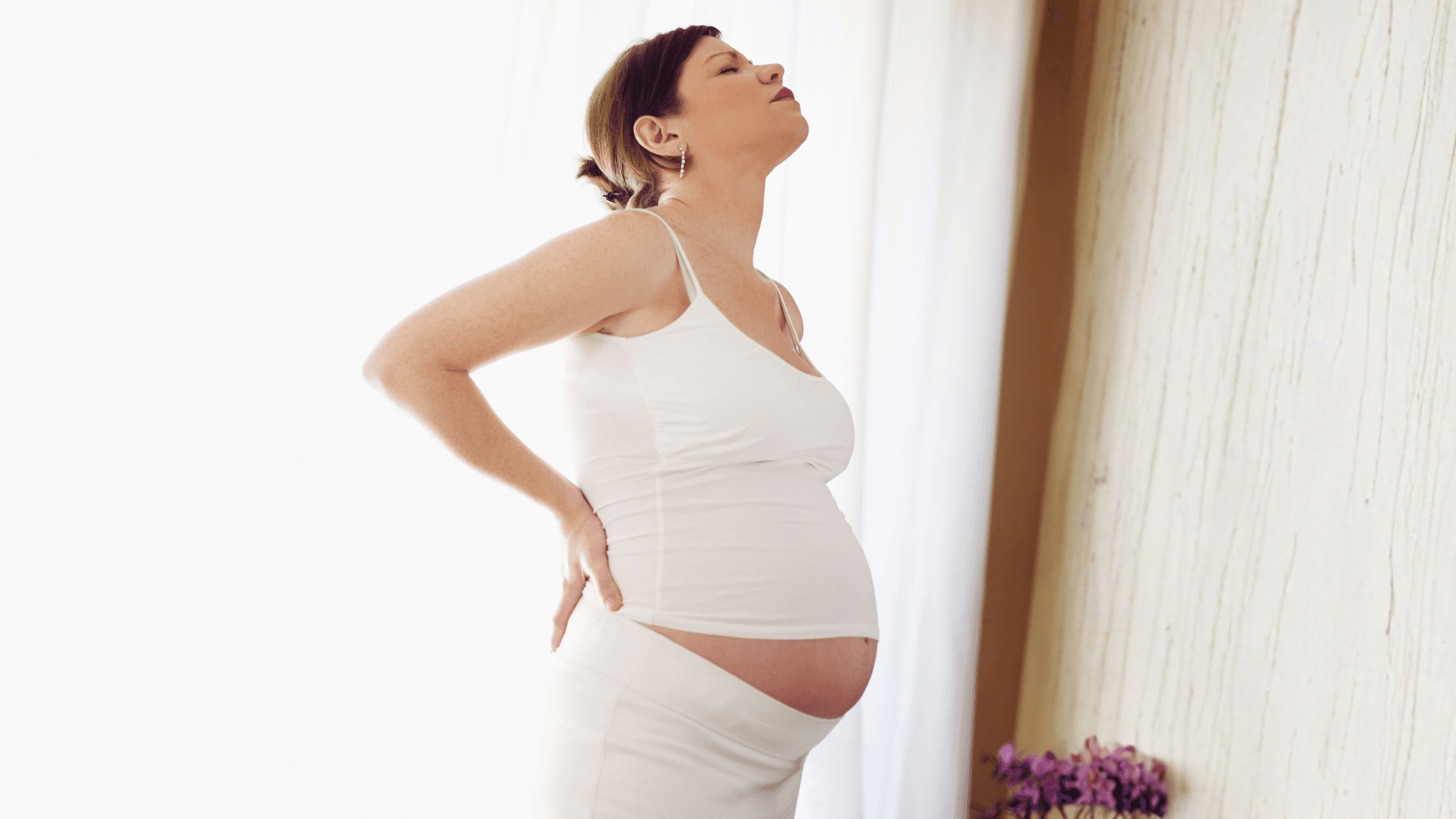
After childbirth, many new mothers experience post-natal back pain, a common yet often underestimated issue that can affect daily comfort and mobility. The physical strain of pregnancy, hormonal changes, and the demands of caring for a newborn all contribute to post-natal back pain.
Many mothers discover that some therapies and lifestyle changes are safe, effective, and supportive for both themselves and their babies. These include ANF Therapy® (Amino Neuro Frequency Therapy), gentle exercises, posture correction, physiotherapy, massage, and simple lifestyle adjustments. With consistent care and proper guidance, most mothers can restore strength, improve posture, and feel comfortable again within a few months.
What is post-natal back pain?
During pregnancy, a woman’s center of gravity shifts forward, placing extra pressure on the lower back and pelvic area. Moreover, your body releases the hormone relaxin, which loosens ligaments to prepare the body for childbirth, but this also weakens joint stability.
After delivery, repetitive movements like lifting the baby, breastfeeding in poor posture, or carrying heavy loads can strain the back even more. These factors often lead to soreness, stiffness, or aching in the lower back and hips. Many new moms sleep in awkward positions to accommodate their baby, which can also worsen lower back pain.

What helps lower post-natal lower back pain?
Lower back pain after pregnancy can make your everyday physical activities difficult. Here are some natural ways to manage:
1-ANF Therapy®:
Amino Neuro Frequency (ANF) Therapy® is a non-invasive approach that supports the body’s natural healing mechanisms responsible for reducing pain and inflammation. This therapy uses small wearable devices that are applied to different body areas. It is designed to support nervous system functions that reduce muscle tension, inflammation, and swelling around the lower back and pelvic region.
When combined with standard treatment options, this therapy may help new mothers experience faster relief from pain without the need for medication, making it safe during the postpartum period.
Outcomes:
ANF Therapy® is a non-invasive, drug-free approach that uses small carbonised metal devices applied to the skin to help manage pain. In a study of 1,054 patients from 45 countries, average pain scores dropped from 7.6 to 3.1 out of 10. The most common areas treated were the lower back, knees, neck, and shoulders. Patients also experienced less swelling and better movement. Satisfaction levels were high (92/100), while mild, short-term side effects such as dry mouth, headache, and fatigue were reported by 42% of participants. The findings show that ANF Therapy® is helpful for pain relief and restoring mobility.
Start your journey with ANF Therapy®:
ANF Therapy® is the newest approach for supporting the recovery of musculoskeletal pain issues. If you are experiencing weakness or pain in your back after childbirth, consult an ANF Practitioner or find an ANF Therapist at www.anftherapy.com/find-clinic/ to discuss how ANF Therapy® can help.
If you’re a healthcare practitioner and want to enhance your clinical skills with frequency medicine, learn more about the ANF Therapy® and ANF Clinical education program by visiting www.anfacademy.com.
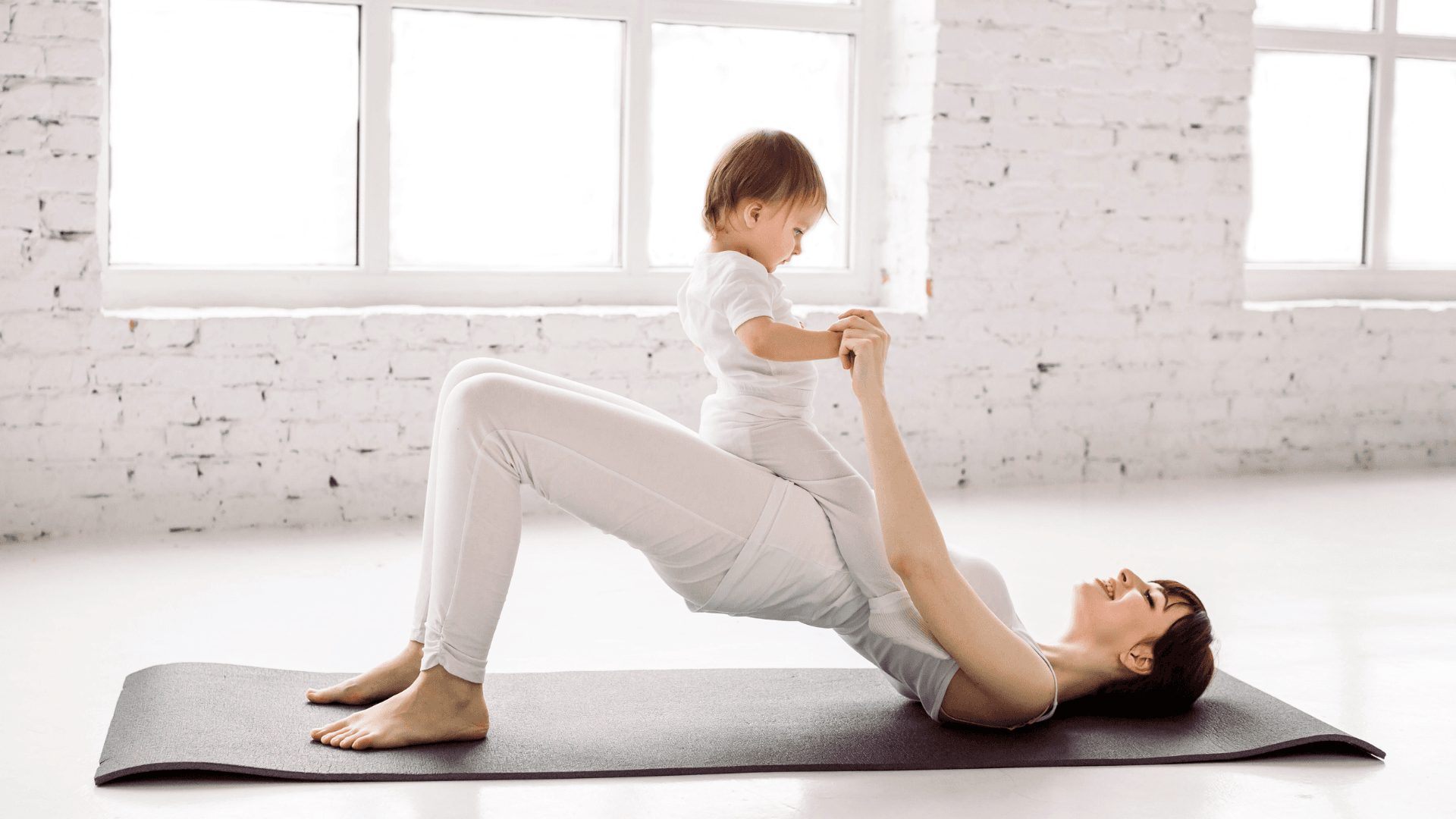
2-Gentle Postnatal Exercises
Light core-strengthening and pelvic floor exercises help rebuild stability. These include:- Pelvic tilts
- Bridge pose
- Cat-cow stretches
- Walking
3-Warm Compress or Bath
Applying a warm compress or taking a warm bath relaxes tense muscles, improves circulation, and soothes soreness without medications that could affect breastfeeding.
4- Posture Awareness
Support your lower back while feeding by:
- Sitting upright with a small cushion behind your lumbar area
- Using a breastfeeding pillow to raise your baby to chest level
- Keeping your feet flat on the floor or on a footrest
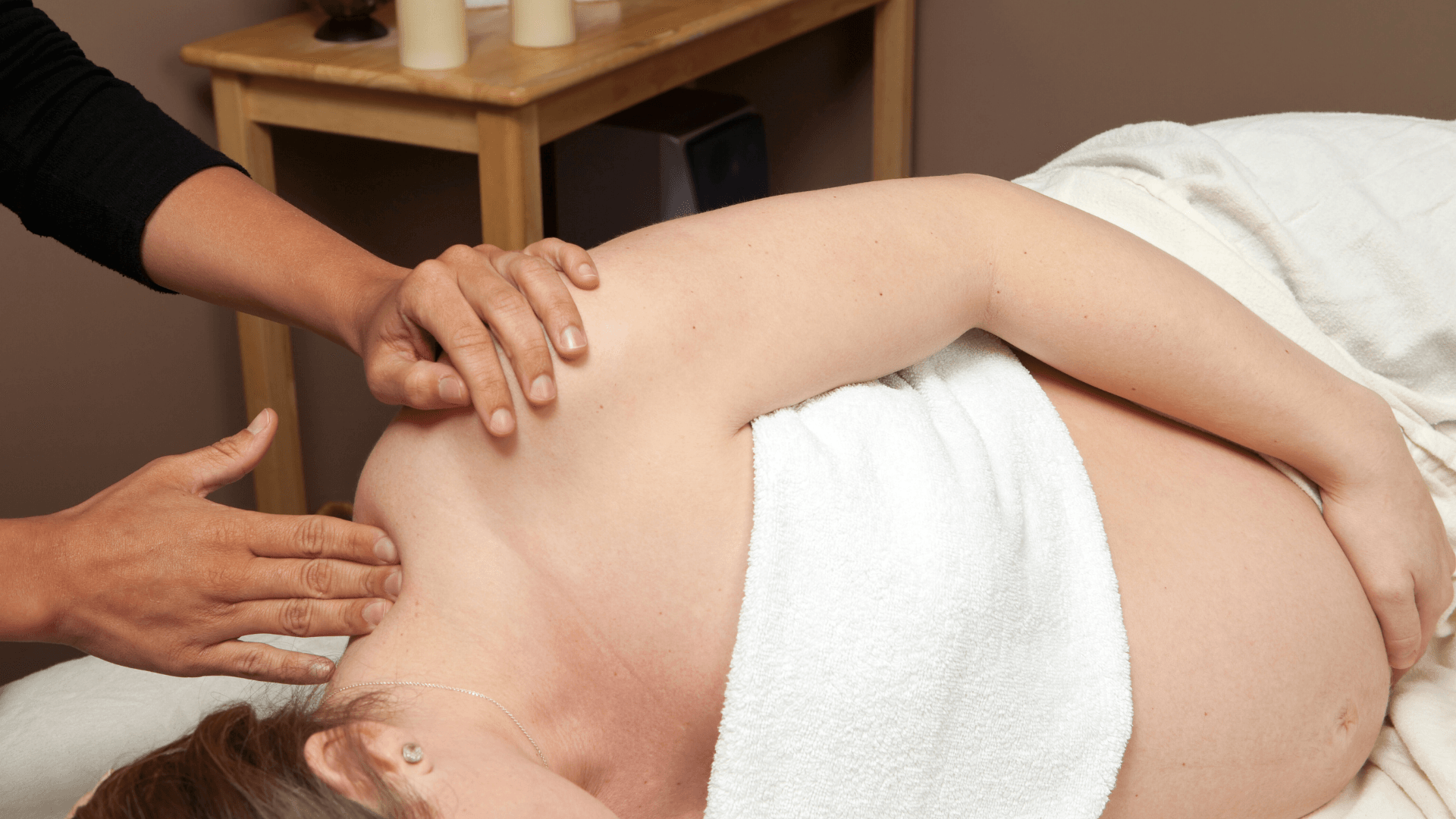
5-Massage
Gentle postpartum massages can release deep tension, improve lymphatic flow, and calm the nervous system. Opt for natural oils (such as coconut or almond oil) and let your therapist know you’re breastfeeding to avoid essential oils that aren’t recommended for nursing moms.
6-Rest, Nutrition, and Hydration
Your body needs time to heal after pregnancy and delivery.- Try to rest when your baby sleeps.
- Eat foods rich in calcium, magnesium, and vitamin D to strengthen bones and muscles.
- Stay hydrated to maintain muscle elasticity and joint health.
When to Seek Medical Help
Contact your ANF Therapist if you are experiencing the following:
- Pain persists beyond 6–8 weeks
- It radiates down your legs or causes numbness
- You experience sharp, shooting, or burning pain
- There’s swelling, fever, or severe discomfort