Back and neck pain are among the most common reasons people seek medical care. In many cases, this pain is accompanied by muscle spasms. A frequent underlying cause of these muscle spasms is a herniated disc. Patients often want to understand why muscle spasm and disc problems occur together and what can be done to reduce symptoms.
ANF Therapy® is an advanced, non-invasive approach that aids in the recovery of musculoskeletal issues like muscle spasm caused by a herniated disc. It utilises small ANF Devices that are applied to the affected areas of your body. This approach supports your body’s natural healing process at the cellular level instead of just masking symptoms of muscle spasm.
This blog post will explore the connection between muscle spasms and herniated discs and how to stop them.
The Connection Between Muscle Spasm and Herniated Disc
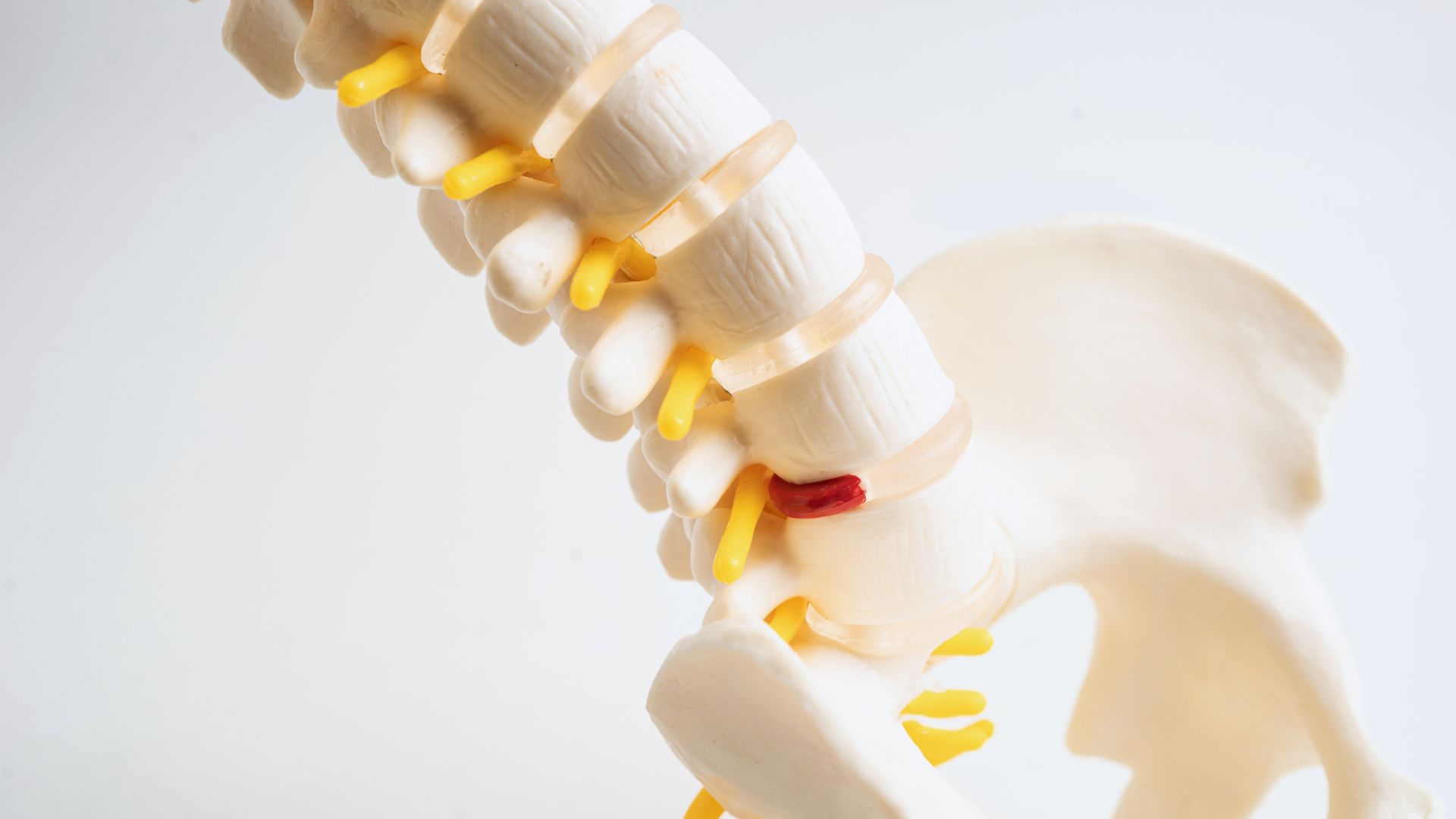
A disc herniation takes place when the inner portion of an intervertebral disc moves beyond its normal position. This change alters the normal structure and mechanics of the spine.
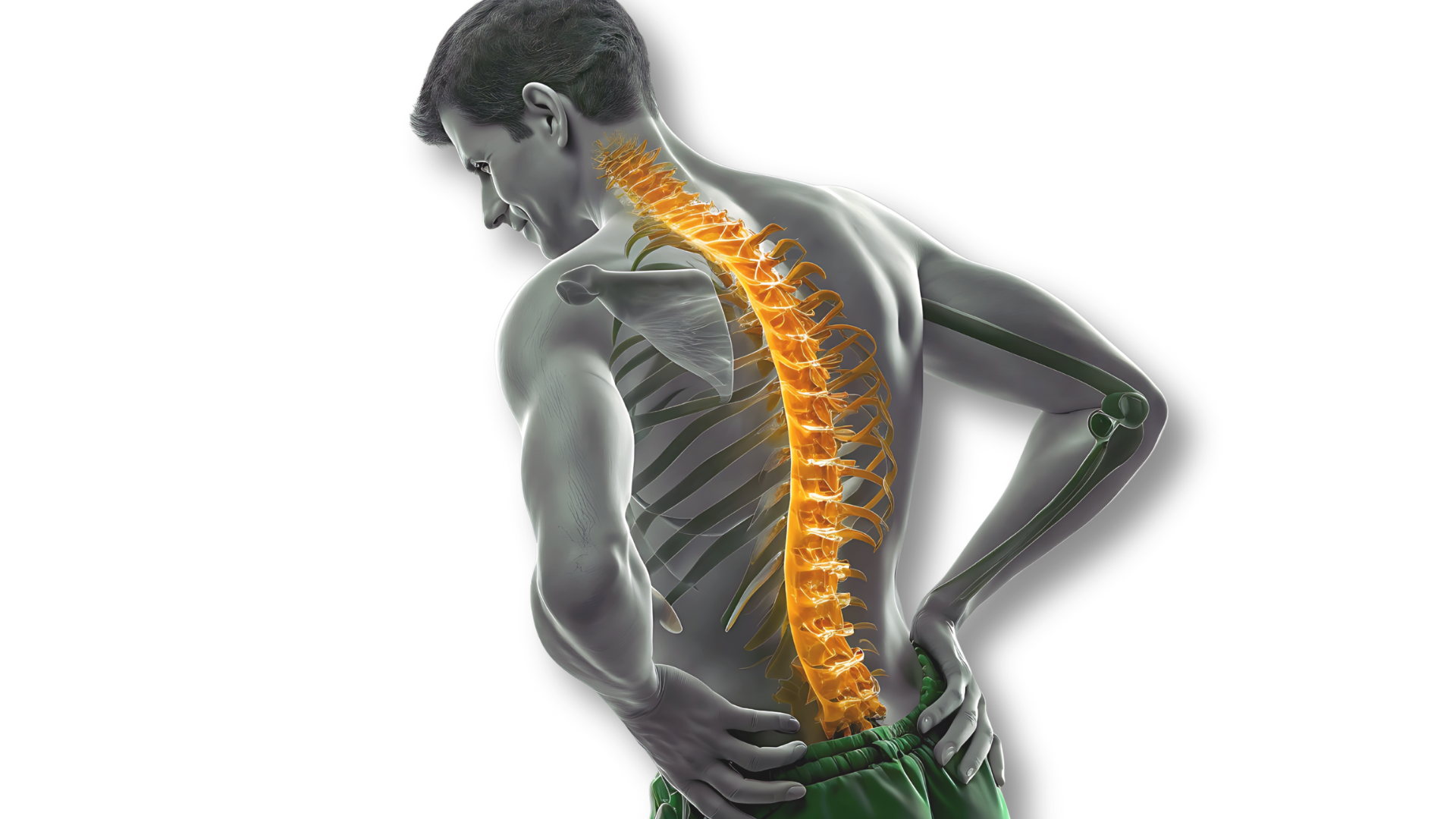
When a disc herniates, nearby tissues may become irritated. This includes spinal nerves and supporting structures. In response, the muscles around the affected area contract automatically.
This involuntary muscle contraction is known as muscle spasm. Muscle spasm is not a separate condition. It is a normal protective response of the body. This response helps prevent additional strain but can also contribute to discomfort.
For this reason, muscle spasm and a herniated disc are commonly seen together. When the normal structure of a disc is disturbed, muscle spasm often develops as part of the body’s attempt to protect the spine.
Why Back Muscle Spasms Can Be So Painful
Muscle spasm starts as a protective reaction to stress. However, when the muscles stay tight for too long, muscle spasms can cause significant pain. This is because taut muscles do not stretch or relax normally.
Moreover, when muscles remain contracted, blood flow to the area is reduced. This causes the muscles to tire easily and become even more sensitive to pain.
If this muscle tightness continues, it can slowly interfere with daily life. Therefore, people with herniated discs may find it harder to stay active or complete routine tasks because of recurring muscle spasms.
How Common Are Muscle Spasms and Herniated Discs?
Studies estimate that up to 75-85% of adults experience significant back pain at some point in their lives. Herniated discs are a frequent cause of this pain, especially in people between 30 and 50 years of age.
Among individuals diagnosed with a herniated disc, muscle spasm is reported very often. Even though an exact percentage is unavailable, many patients with herniated discs experience noticeable muscle tightness or spasm during the course of their symptoms. In many cases, muscle spasm appears early, sometimes even before severe pain is noticed.
Muscle spasm is also a major contributor to physical limitation. Studies show that disc-related back pain is one of the leading causes of work-related disability worldwide

How to Prevent Muscle Spasms From Occurring If You Have A Herniated Disc
Muscle spasms often continue when the spine remains under stress. If you have a herniated disc, you can take several steps to prevent muscle spasms.
Avoid Inactivity
When you remain inactive in bed for long periods, spinal muscles become stiff and weak. Similarly, when you sit for extended periods, this pressure increases irritation around the herniated disc and nearby nerves.
Gentle movement helps keep muscles flexible and signals to your nervous system that movement is safe. You can achieve this by:
- taking short walks during the day
- changing position regularly when you’re lying awake
- continuing light daily activities that do not increase pain
- using a chair that can support the lower back.
- keeping your body upright rather than slouched forward.

Good Posture
Poor posture forces certain muscles to work continuously while others remain inactive. Over time, the overworked muscles become fatigued and tighten involuntarily. Muscle fatigue and tightening increase the risk of spasms. Some tips for posture include:
- Keep your head aligned over your shoulders
- Support your lower back when sitting
- Adjust work surfaces to avoid leaning forward
- Correct posture gently, rather than holding rigid positions
Avoiding Sudden Movements
Sudden or rushed movements increase strain on the disc and nerves. The body reacts quickly by tightening muscles to prevent further movement. This rapid tightening can cause spasms. This is why you should allow your body time to adjust when changing positions and avoid jerky movements.
Lifting Objects
Lifting increases pressure inside the spine. When lifting is done with poor technique, this pressure rises suddenly and irritates the disc. Healthier habits for lifting objects include:
- bending at your knees rather than your back
- holding objects close to your body
- avoiding twisting while carrying weight
- limiting lifting during pain flare-ups
Avoid Painful Triggers
When you keep doing an activity that hurts, the nerves stay irritated, and the muscles stay tight to protect you. Over time, this makes muscle spasms happen more often and slows healing. Painful triggers can be avoided by:
- stopping what you are doing as soon as pain starts to increase
- not pushing through pain to “finish the task.”
- noticing which movements regularly cause pain and limiting them
- avoiding sudden bending, twisting, or jerky movements
- taking short breaks instead of doing the same activity for a long time
- adjusting how you sit, stand, or move when discomfort begins
- building activity levels slowly rather than all at once

Use Heat and Ice Packs
Cold reduces irritation and pain signals, which is why it is more helpful when you’re experiencing sharp pain or nerve irritation.
Meanwhile, heat relaxes tight muscles and improves blood flow. Heat is more helpful when muscles feel stiff or tight. When used correctly, both heat and ice packs can ease discomfort, but using them for too long may cause skin irritation.
Reduce Stress
Stress increases overall muscle tension and heightens sensitivity to pain. When you are stressed, muscles may remain partially tightened even at rest. Follow these steps to reduce stress:
- Notice habits such as clenching or bracing
- Practise slow and steady breathing
- Take short breaks for movement or rest
- Try yoga, meditation, and other relaxation techniques
Avoid Nicotine Use
Nicotine reduces blood flow to spinal discs and slows healing. Poor disc health increases nerve irritation and muscle spasm risk. Continued nicotine use can delay recovery, so it is important to stop smoking and vaping.
How to stop muscle spasms with a herniated disc with ANF Therapy®?
ANF Therapy® is an advanced and noninvasive frequency-based approach that uses small patches on the body. It is designed to support the body’s natural healing mechanisms that play a crucial role in relieving inflammation, building muscle strength, and reducing muscle spasms.
Outcomes:
ANF Therapy® is a non-invasive and drug-free approach that uses small circular devices made up of carbonised metal. These devices are applied to the skin. In a study of 1,054 patients from 45 countries, average pain scores dropped from 7.6 to 3.1 out of 10. Most patients applied them to the lower back, knees, neck, and shoulders. Patients also experienced less swelling and better movement. Satisfaction levels were high (92/100), while mild, short-term side effects such as dry mouth, headache, and fatigue were reported by 42% of participants. The findings show that ANF Therapy® has promising results.

Start your journey with ANF Therapy®:
ANF Therapy® is an advanced approach for aiding the recovery of all kinds of musculoskeletal issues, including muscle spasms caused by a herniated disc. If you are experiencing pain and stiffness in your back, consult an ANF Practitioner or find an ANF Therapist at www.anftherapy.com/find-clinic/ to discuss how ANF Therapy® can help you. If you’re a healthcare practitioner and want to enhance your clinical skills with frequency medicine, learn more about the ANF Therapy® and ANF Clinical education program by visiting www.anfacademy.com.