Pelvic floor dysfunction (PFD) is a common condition that affects both women and men across all age groups. Despite its higher prevalence, it often remains underdiagnosed or misunderstood because its symptoms overlap with gastrointestinal, urinary, gynecological, and urological conditions. When patients have issues like constipation, urinary urgency, pelvic pain, sexual discomfort, and incomplete bladder or bowel emptying due to PFD, they are typically treated in isolation rather than being recognized as symptoms of pelvic floor dysfunction. That is why the diagnosis of pelvic floor dysfunction is usually delayed.
The pelvic floor is a complex system of muscles, connective tissues, and nerves that must work together to support the bladder, bowel, and reproductive organs. When this system loses its ability to contract, relax, and perform a co-ordinated movement.
This blog explores the prevalence, risk factors, and symptoms of pelvic floor dysfunction in women and men; hereditary influences; long-term outlook; and how integrative approaches, such as ANF Therapy®, may support pelvic floor health.
Pelvic Floor Dysfunction Prevalence
Pelvic floor dysfunction is considered a global health issue, yet its true prevalence is likely underestimated. Many individuals experience symptoms for years without a clear diagnosis due to stigma, normalization of symptoms, or misattribution to aging, childbirth, or stress.
Studies suggest that:
- One-third of women in the United States have pelvic floor dysfunction.
- Up to 25–40% of women experience some form of pelvic floor dysfunction during their lifetime.
- Men are also significantly affected, particularly with urinary symptoms, pelvic pain, and bowel dysfunction, though they are less likely to seek care.
- The prevalence of pelvic floor dysfunction increases with age, but its symptoms can appear in adolescents, young adults, and athletes.
- Pelvic floor dysfunction frequently coexists with other health conditions such as irritable bowel syndrome (IBS), chronic pelvic pain, interstitial cystitis, and low back pain.
Pelvic floor dysfunction is often functional. Imaging and routine tests typically appear normal, that delay its diagnosis.
Pelvic Floor Dysfunction Prevalence and Associated Factors
Pelvic floor dysfunction does not arise from a single cause. It occurs due to the combined effects of mechanical stress, neuromuscular regulation, hormonal influences, and lifestyle factors over time.
The following factors are commonly associated with increased prevalence of PFD:
- Pregnancy and childbirth
- Chronic constipation or straining
- Prolonged sitting and sedentary behavior
- High-impact physical activity without adequate pelvic coordination
- Chronic stress and nervous system dysregulation
- Hormonal changes such as menopause or androgen decline
- Pelvic or abdominal surgery
- Chronic pain conditions
Pelvic floor dysfunction can involve weakness, excessive tension, or poor coordination, and many individuals experience a combination of these patterns.
Pelvic Floor Dysfunction in Women: Causes and Symptoms
Women are more frequently diagnosed with pelvic floor dysfunction, largely due to anatomical, hormonal, and life-event-related factors. Pregnancy, childbirth, and hormonal transitions place unique demands on pelvic floor tissues and neuromuscular control.
Common contributors in women include:
- Vaginal or assisted deliveries
- Perineal trauma or episiotomy
- Repeated pregnancies
- Hormonal fluctuations during menstruation, the postpartum period, and menopause
- Endometriosis or chronic pelvic pain conditions
- Prolonged pelvic muscle guarding due to pain or stress
Pelvic floor dysfunction in women is not limited to post-childbirth years. Many women without children experience symptoms related to stress, posture, breathing mechanics, and nervous system regulation.
Symptoms of Pelvic Floor Dysfunction in Women
Symptoms vary depending on whether muscles are weak, tight, or poorly coordinated. Women may experience:
- Urinary urgency
- Increased frequency without infection
- Difficulty starting or completing urination
- Constipation
- Pelvic pressure
- Feeling of heaviness
- Pain during intercourse
- Lower back, hip, or pelvic pain
- Sensation of incomplete emptying
Symptoms of PFD often fluctuate with stress levels, hormonal changes, posture, and fatigue, which can make patterns difficult to recognize.

Symptoms of Pelvic Floor Dysfunction in Men
Pelvic floor dysfunction in men is frequently underrecognized and underreported. Social stigma and lack of awareness contribute to delayed diagnosis, especially when symptoms overlap with prostate or bladder conditions.
In men, pelvic floor dysfunction may develop due to:
- Chronic pelvic muscle tension
- Prostate surgery or pelvic procedures
- Repeated straining with bowel movements
- High-impact sports or heavy lifting
- Chronic stress and pain syndromes
Men may experience:
- Urinary urgency
- Hesitancy during urination
- Difficulty fully emptying the bladder
- Pelvic, perineal, or testicular discomfort
- Erectile or ejaculatory discomfort
- Constipation
- Rectal pressure
- Pain worsened by sitting
Symptoms of pelvic floor dysfunction in men are sometimes attributed solely to anxiety or idiopathic causes.
Is Pelvic Floor Dysfunction Hereditary?
There is no single gene responsible for pelvic floor dysfunction, but genetic factors can influence susceptibility. Hereditary influences may affect:
- Connective tissue strength and elasticity
- Muscle fiber composition
- Pain sensitivity
- Hormonal responses
- Nervous system regulation
Individuals with a family history of pelvic organ prolapse, connective tissue disorders, chronic pelvic pain, or endometriosis may have a higher risk. Genetics alone are rarely the sole cause; environmental stressors and life events usually determine whether symptoms develop.
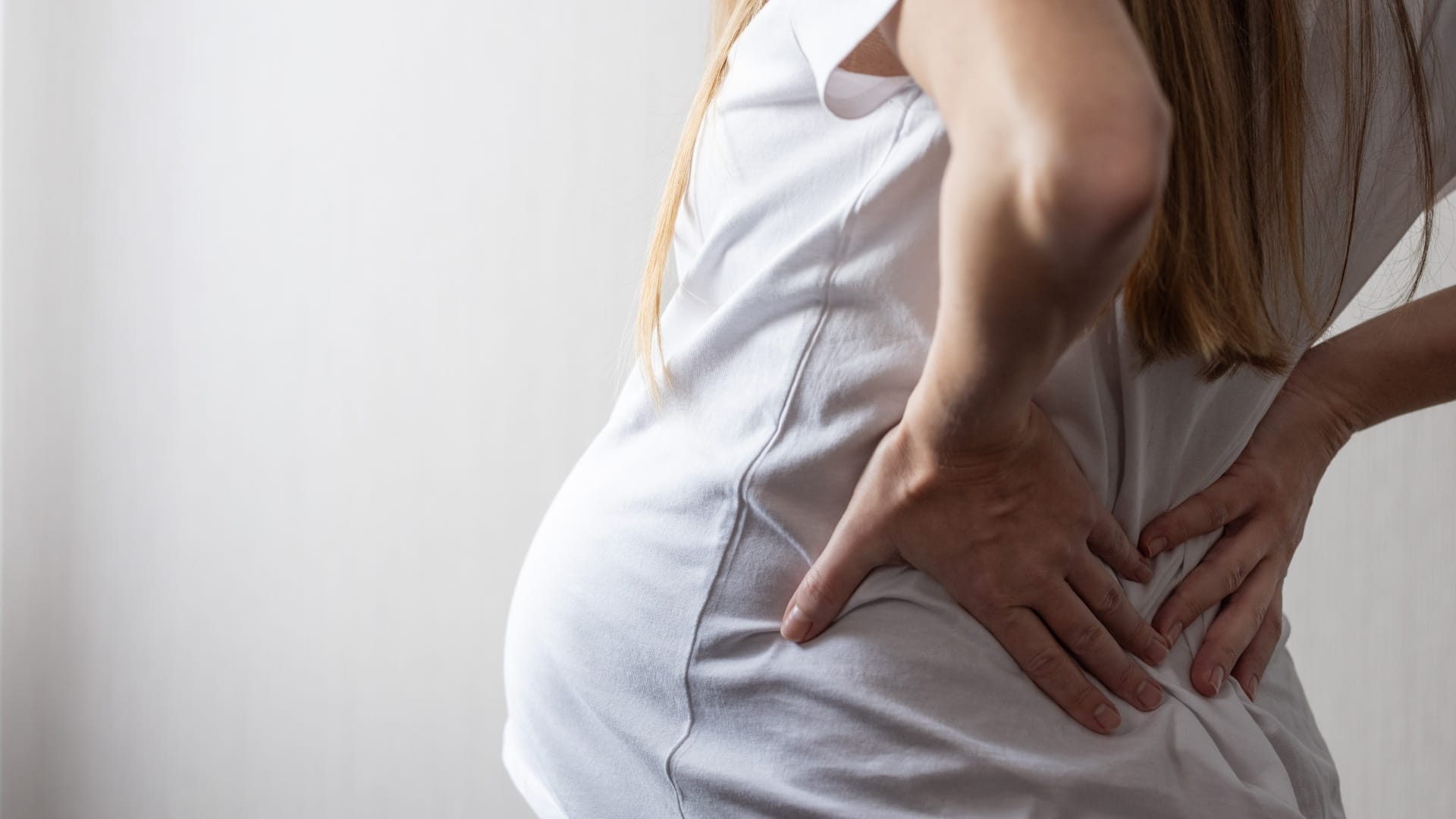
What Makes the Pelvic Floor Weak Over Time?
Pelvic floor weakness develops gradually and often coexists with muscle overactivity or poor coordination. Contributing factors include:
- Repeated increases in intra-abdominal pressure
- Chronic straining with bowel movements
- Poor posture and altered core mechanics
- Prolonged sitting
- Reduced physical activity
- Aging-related muscle changes
- Hormonal shifts affecting tissue elasticity
Importantly, weakness does not always mean relaxation. Some muscles may be weak yet unable to relax fully, creating inefficient support and poor timing during bladder and bowel function.
How ANF Therapy® Helps With Pelvic Floor Dysfunction
ANF Therapy® is a non-invasive, frequency-based approach designed to support communication between the nervous system and the body. Pelvic floor dysfunction often involves altered neuromuscular signaling, sustained muscle tension, and stress-related holding patterns rather than isolated muscle damage.
ANF Therapy® uses small ANF Devices that are applied to specific areas of the body to support the body’s natural healing processes. ANF Therapy® is used as a complementary modality, not a replacement for medical or physiotherapy treatment.
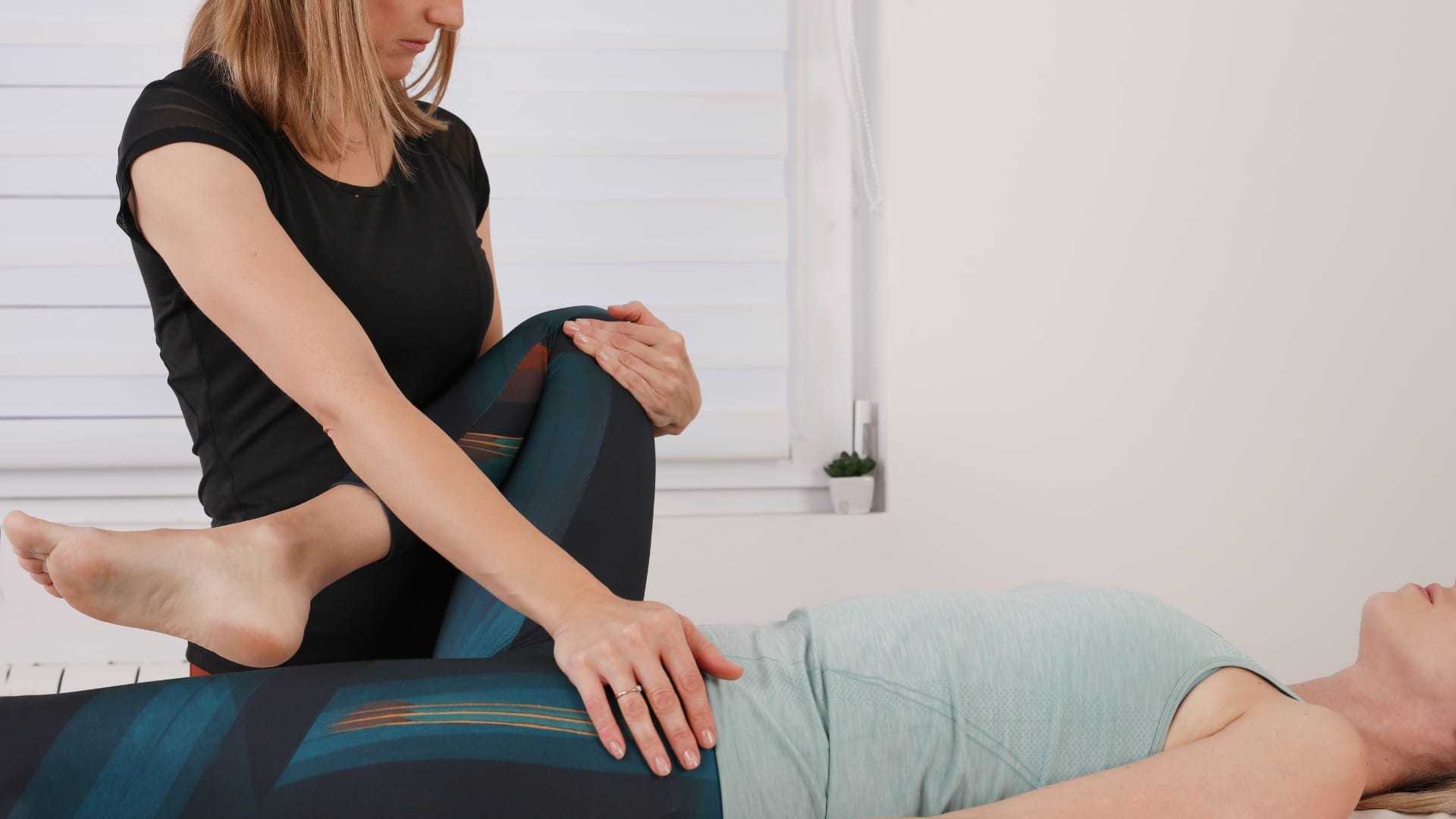
ANF Therapy® is commonly integrated with pelvic physiotherapy, breathing retraining, posture correction, movement education, and lifestyle modification. It does not claim to diagnose, treat, or cure pelvic floor dysfunction and should be guided by qualified ANF Practitioners as part of an individualized care plan.
Frequently Asked Questions
Is pelvic floor dysfunction dangerous?
Pelvic floor dysfunction is not typically life-threatening. However, it can significantly affect comfort, emotional well-being, sexual health, and daily functioning if left unaddressed. Long-term symptoms may contribute to chronic pain, bowel and bladder difficulties, and reduced quality of life.
Does endometriosis cause pelvic floor dysfunction?
Endometriosis does not directly cause pelvic floor dysfunction, but chronic pelvic pain and inflammation associated with endometriosis may lead to sustained pelvic muscle guarding. Over time, this protective tension can disrupt normal pelvic floor coordination and contribute to dysfunction.
Difference between pelvic floor dysfunction and endometriosis
Pelvic floor dysfunction is a functional neuromuscular condition involving altered muscle coordination and nervous system regulation. Endometriosis is a gynecological inflammatory condition characterized by endometrial-like tissue growing outside the uterus. While symptoms may overlap, their underlying mechanisms and treatments differ, and the two conditions may coexist.
Can you strengthen your pelvic floor at any age?
Yes. Pelvic floor function can improve at any age with appropriate assessment and guidance. However, strengthening alone is not always the solution. Many individuals require a combination of relaxation, coordination training, nervous system regulation, and gradual strengthening tailored to their specific pattern of dysfunction.
Conclusion
Pelvic floor dysfunction affects both women and men. It results from the combined effects of mechanical load, hormonal influences, stress, and nervous system dysfunction. As symptoms of PFD frequently overlap with urinary, gastrointestinal, and pain conditions, its diagnosis is often delayed. A whole-system approach that considers muscle coordination, nerve signaling, stress, posture, and supportive therapies such as ANF Therapy® can help identify underlying contributors and support more effective and long-term symptom management.
If you want to explore how ANF Therapy® can help with pelvic floor dysfunction, consult an ANF Practitioner to discuss whether this approach may be appropriate within their overall wellness or recovery strategy.
To find an ANF Therapist, visit: www.anftherapy.com/find-clinic/.
If you are a healthcare professional interested in learning more about ANF Therapy®, you can explore the ANF Clinical Education Program at www.anfacademy.com.