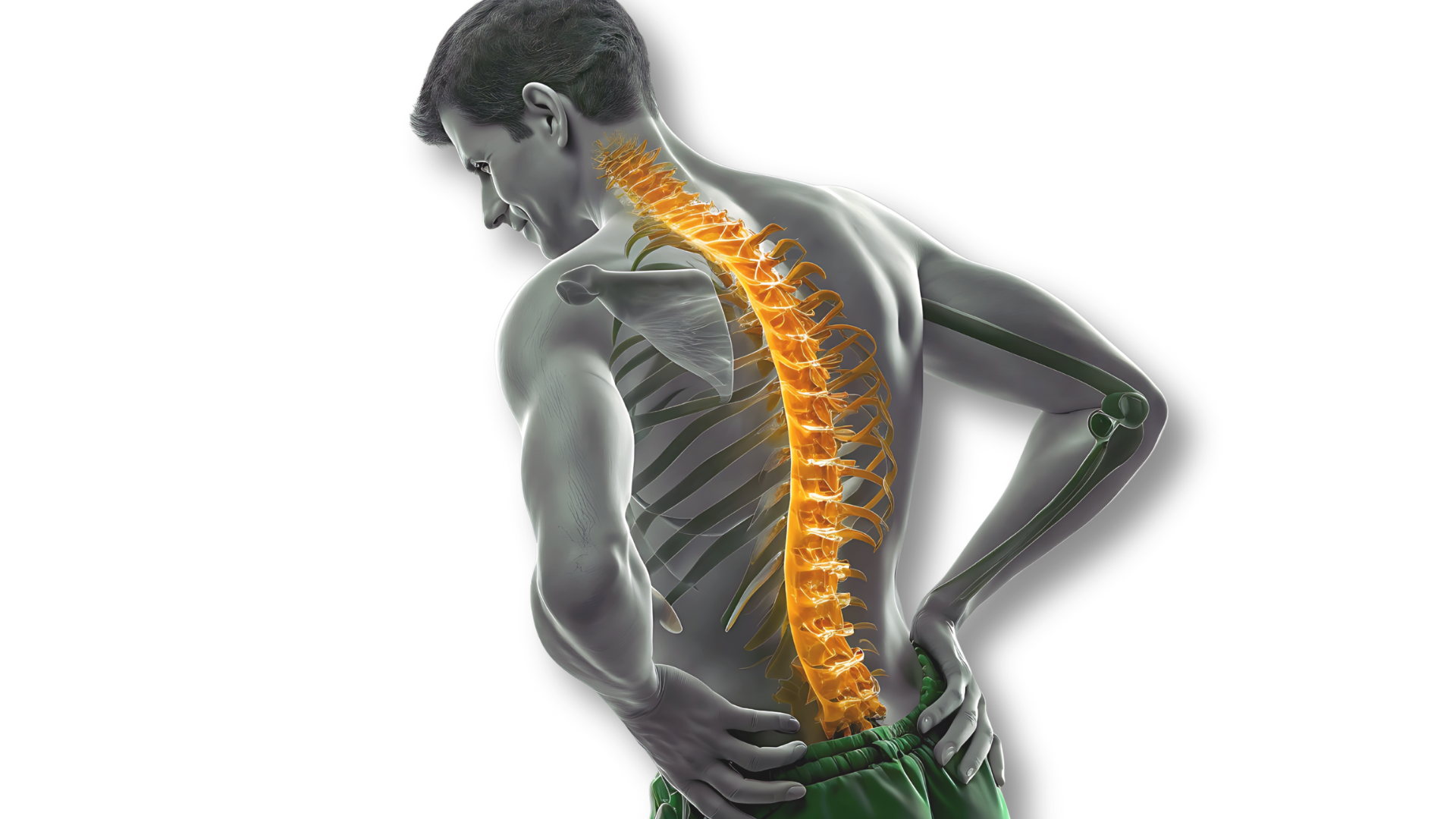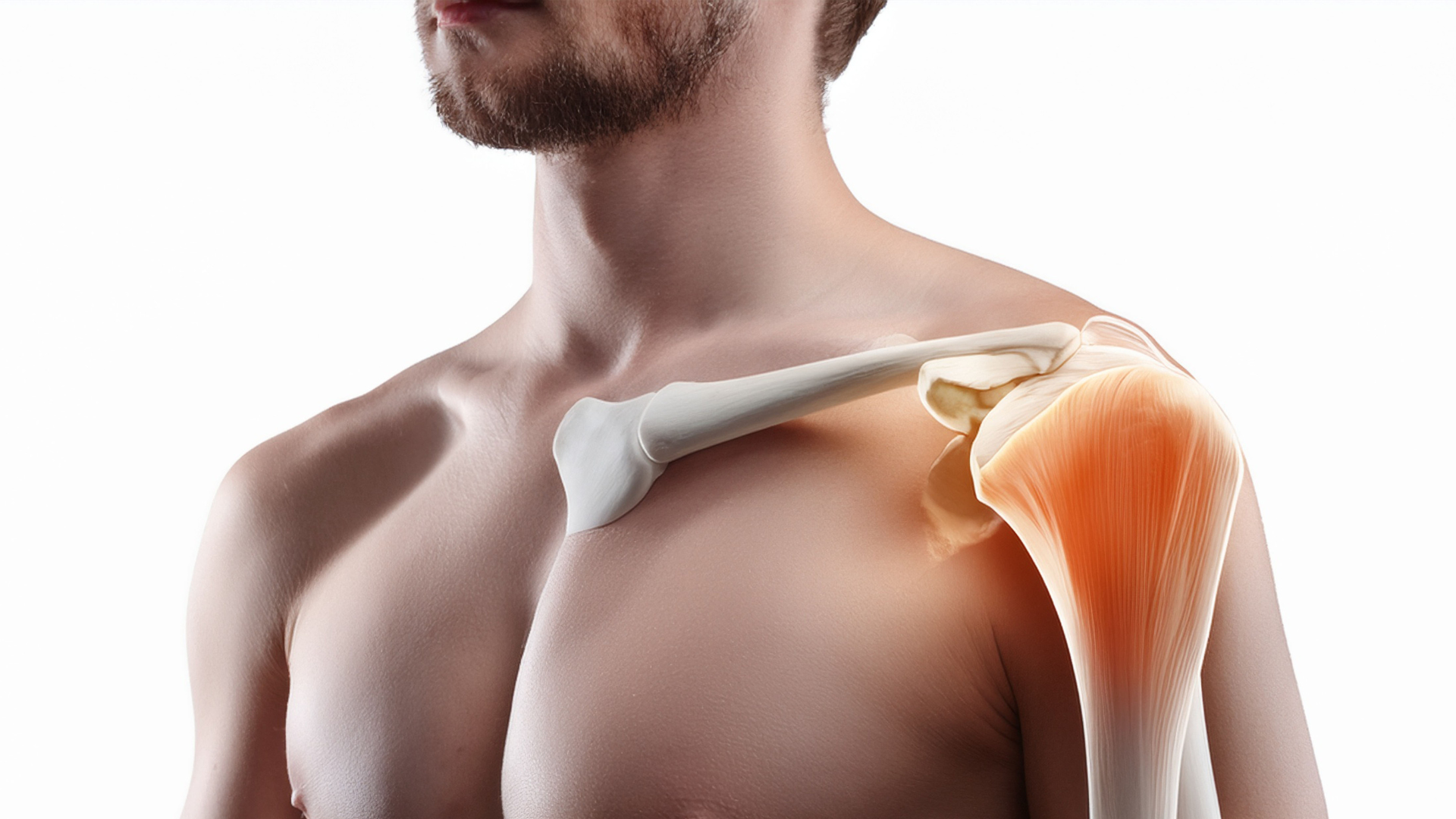
Calcific tendinitis of the shoulder is a musculoskeletal condition that occurs when small calcium deposits form in a tendon. In the early stages, calcific tendinitis may not cause any noticeable symptoms. Over time, however, this condition can lead to pain and discomfort in the shoulder.
Shoulder pain from calcific tendonitis often appears suddenly when your body begins to break down these calcium deposits. As a result, it can become difficult for you to lift your arm or sleep on the side on which you have a painful shoulder.
ANF Therapy® is a supportive and noninvasive approach that aids in the recovery of musculoskeletal problems. It is often used alongside other conservative treatments to support functional improvement over time. This blog post discusses the causes of calcific tendinitis so you can understand why you are in pain.
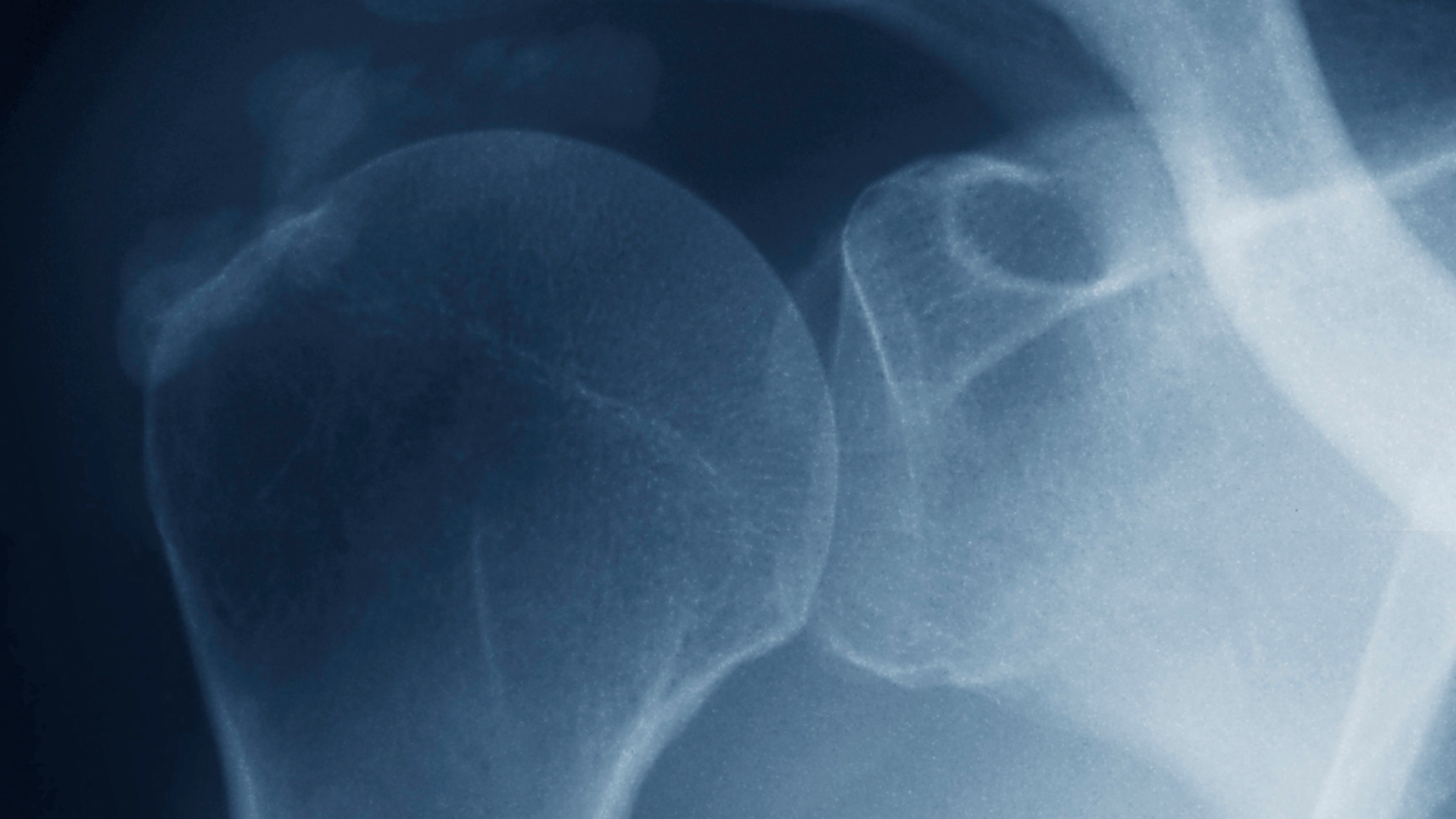
Understanding Calcific Tendinitis
Calcific tendinitis is a type of tendinopathy, or disorder of the tendons. Tendons are connective tissues that attach muscles to bones. Calcific tendinitis of the shoulder occurs when small calcium crystals, called calcium hydroxyapatite, form inside the structure of a tendon. The location of these deposits is most often in the rotator cuff muscles of your shoulder.
Statistically, calcific tendinitis affects adults most commonly between 30 and 60 years of age. Women are roughly twice as likely as men to develop symptoms of calcific tendinitis. Imaging studies show calcium deposits in 2.7% to 20% of shoulders, and the supraspinatus tendon is most frequently involved.
Stages of Calcium Deposit Formation in the Shoulder
Precalcific Stage
In the precalcific or “silent” stage, various biochemical changes that make it more likely for calcium to form begin in the tendon. The tendon may become slightly weaker or irritated, but the patient usually experiences no pain.
Calcific Stage
This is when the calcium deposits actually form. It has three phases:| Phase | Description |
| Formative | Calcium crystals begin to deposit in the tendon. Pain is usually mild or absent at this point. |
| Resting | The deposits stay in place without much change. Some people may feel discomfort, but the tendon often functions normally. |
| Resorptive | The body starts to break down the calcium deposits. The condition becomes symptomatic. This phase often triggers people to seek treatment. |
Repair Stage
After the calcium has been resorbed, the tendon begins to heal:
- Inflammation decreases
- Symptoms improves
- Pain decreases
- Normal movement gradually returns
- Full recovery can take weeks to months

How Calcific Tendinitis Causes Shoulder Symptoms
Calcific tendinitis symptoms can appear gradually or suddenly, depending on the stage of the condition. During the resorptive phase, the body tries to break down the calcium deposits. This triggers a strong inflammatory response, which causes:
- Pain that is sudden and severe, especially when lifting the arm. The pain often worsens at night or when lying on the affected side.
- Your shoulder may feel warm and sensitive to touch
- Movement can become limited, and daily tasks like reaching or dressing seem difficult
- Some people feel discomfort down the arm or into the upper back.
Some other ways in which calcific tendinitis causes symptoms include:
| Pressure | Large or chronic deposits take up space in the tendon. This makes normal movements uncomfortable. |
| Compression | Inflamed tendons can compress nearby structures like the bursa and nerves. The result is neuropathic symptoms as well as a reduced range of motion. |
| Weakness | Pain and inflammation can make the shoulder feel weak. It becomes difficult for you to lift and carry objects. |
| Activity | Repetitive and overhead movements often worsen pain and stiffness. |

Why the Shoulder Is Commonly Affected By Calcific Tendonitis
The shoulder (especially the rotator cuff) is the most common site for calcific tendinitis, for a number of reasons:
Tendon Weakness
Calcific tendinitis often happens because shoulder tendons get weaker over time. The tendon fibers can change and become less flexible. This makes it easier for small calcium crystals to form.
Poor Blood Flow
Some parts of the shoulder tendon, like the supraspinatus, get less blood than others. Less blood means the tendon heals more slowly. This allows calcium deposits to build up and stay longer.
Repeated Stress
Small injuries or repeated stress to the shoulder can damage tendon fibers over time. This can trigger calcium to form as the body reacts to the damage. Such activities include:
- Swimming
- Weightlifting
- Sports such as tennis
- Rowing
- Working in specific occupations:
– Mining
– Hospitality
– Construction and other labor-heavy blue-collar jobs
Aging
Tendons lose strength and flexibility as we get older. This makes it easier for calcium deposits to appear. That is why calcific tendinitis is more common in adults between 30 and 50 years.
Biological Factors
Medical conditions (like diabetes, thyroid problems, low vitamin D, and low calcium levels) can weaken tendons. Hormonal changes in women, such as those during menopause, can also predispose a person to shoulder calcific tendonitis.
Shoulder Structure
Some people inherit a tendency for tendon problems or calcium deposits. Other structural differences, like a hooked bone above the rotator cuff, may also press on the tendon and increase your risk of calcific tendonitis in the shoulder.
When to See a Doctor for Shoulder Pain from Calcific Tendinitis
Though shoulder calcific tendinitis is a benign condition, certain red flags warrant medical attention in order to prevent complications. Such red flag symptoms of calcific tendinits include:
- Sudden worsening of symptoms after small movements can signal a tendon rupture, which needs urgent medical care to prevent permanent damage.
- Very severe pain can mean the calcium deposit is causing active damage. If not treated, it can tear the tendon.
- Pain at night is a red flag that indicates your tendon is extremely inflamed. This can disturb sleep and make the shoulder stiffer over time.
- Constant signs of inflammation, such as swelling or tenderness, mean the tendon is irritated. If ignored, it can lead to more inflammation or bursitis.
- Severe tenderness when touching the shoulder shows active tendon injury. Continuing various activities may make the tendon weaker.
- Weakness or trouble lifting the arm means the muscle itself may not be functioning well.
- Limited movement shows the tendon or surrounding tissue is swollen. Over time, this can cause stiffness and muscle imbalance.
- Pain going down the arm can happen when nearby nerves are affected. It may cause:
– Tingling sensations
– Numbness
– Loss of muscle control
– Long-term nerve problems
How does ANF Therapy® help manage calcific tendinitis?
ANF Therapy® is described as a noninvasive, supportive approach that may be included in the conservative management of musculoskeletal conditions such as calcific tendinopathy. It supports the body’s natural healing mechanisms. This therapy utilises small ANF Devices that are applied to the affected areas of your body by a qualified ANF Therapist.
Outcomes:
ANF Therapy® is a non-invasive and drug-free approach that uses small circular devices made up of carbonised metal. These devices are applied to the skin. In a study of 1,054 patients from 45 countries, average pain scores dropped from 7.6 to 3.1 out of 10. Most patients applied them to the lower back, knees, neck, and shoulders. Patients also experienced less swelling and better movement. Satisfaction levels were high (92/100), while mild, short-term side effects such as dry mouth, headache, and fatigue were reported by 42% of participants. The findings show that ANF Therapy® has promising results.
Start your journey with ANF Therapy®:
ANF Therapy® is the newest approach for supporting the recovery of musculoskeletal issues , including calcific tendonitis of the shoulder joint. If you are experiencing pain and stiffness in your shoulder joint, consult an ANF Practitioner or find an ANF Therapist at www.anftherapy.com/find-clinic/ to discuss how ANF Therapy® can be helpful.
If you’re a healthcare practitioner and want to enhance your clinical skills with frequency medicine, learn more about the ANF Therapy® and ANF Clinical education program by visiting www.anfacademy.com.