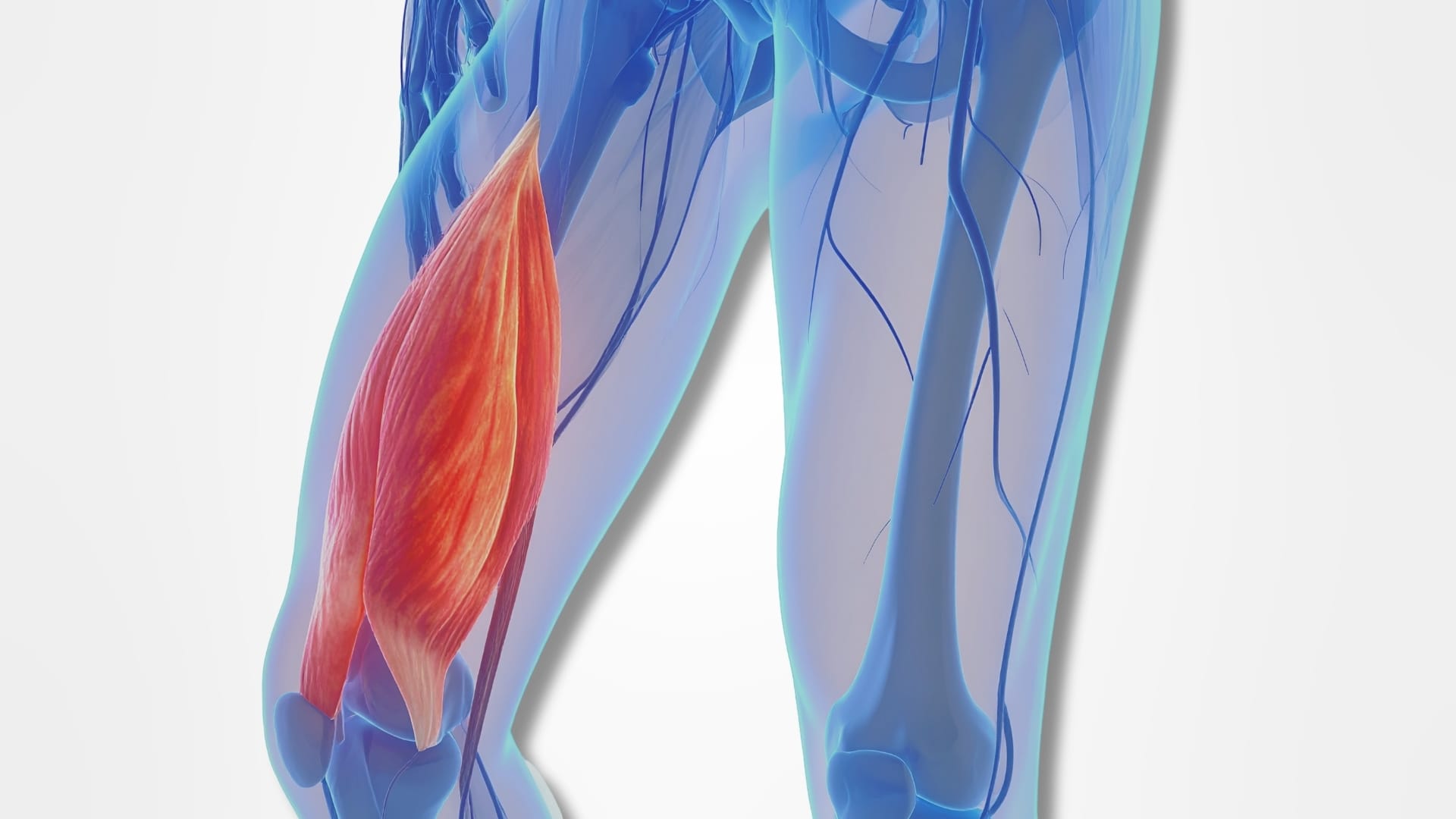
Hamstring injuries are among the most common muscle injuries, especially in athletes and physically active individuals. One specific type of hamstring injury results from hyperextension, a movement that pushes a joint beyond its normal range of motion. When this happens in the leg, the hamstring muscles can stretch excessively or tear, leading to pain, weakness, and reduced mobility.
A hyperextension hamstring injury typically occurs when the leg is forced straight or extended too far, placing extreme stress on the muscles located at the back of the thigh.
ANF Therapy® is an advanced approach used as supportive therapy alongside standard medical treatment in the management of musculoskeletal issues. This blog will explore what hyperextension hamstring injuries are, how they happen, their symptoms, treatment options, recovery process, and ways to prevent them.
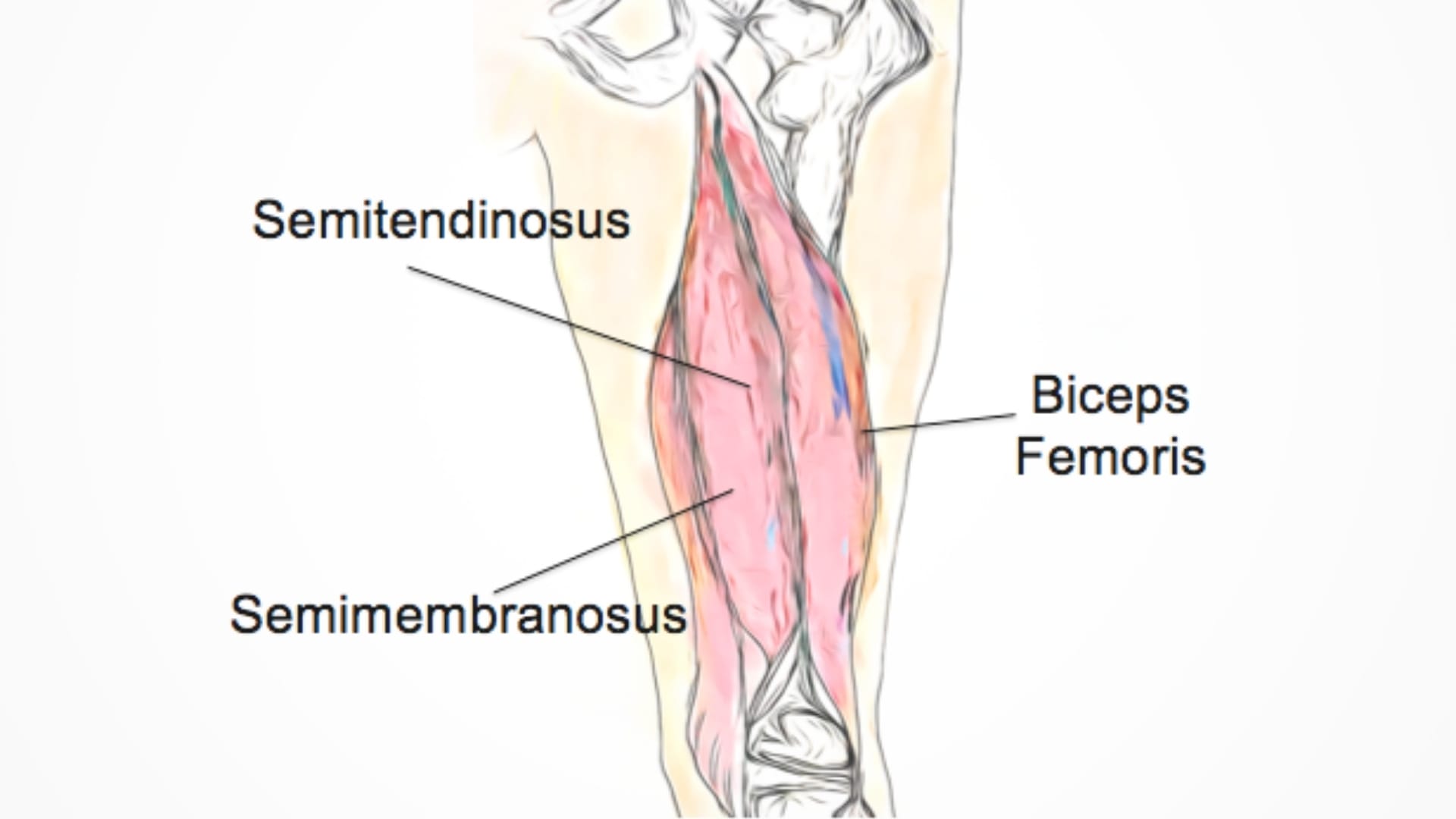
Anatomy of the Hamstring
The hamstrings are a group of three muscles located at the back of the thigh. These muscles connect the pelvis to the lower leg and play an essential role in everyday movement.
The three muscles that make up the hamstring group are:
- Biceps femoris
- Semitendinosus
- Semimembranosus
These muscles help perform important actions such as:
- Bending the knee
- Extending the hip
- Stabilizing the pelvis during walking or running
Hamstrings are heavily involved in physical activities like sprinting, jumping, climbing stairs, and kicking. Because of their constant use, they are highly vulnerable to strains and tears, especially when overstretched.

What is a Hyperextension Hamstring Injury?
A hyperextension hamstring injury occurs when the leg is forced to extend beyond its natural limit, causing the hamstring muscles to overstretch. This excessive stretching can damage the muscle fibers or even cause a partial or complete tear.
Hyperextension often happens when the knee joint moves backward beyond its normal range. When this occurs, the hamstrings are suddenly pulled tight, placing intense strain on the muscle fibers.
This type of injury is commonly seen in:
- Athletes
- Dancers
- Gymnasts
- Runners
- People involved in high-impact sports
However, it can also occur during accidents, slips, or sudden awkward movements.

Causes of Hyperextension Hamstring Injury
Several factors can contribute to a hyperextension hamstring injury. Some of the most common causes include:
1. Sudden Movements
Rapid movements such as sprinting, jumping, or sudden changes in direction can overstretch the hamstrings.
2. Slipping or Falling
If a person slips and the leg suddenly extends forward or backward, it may push the knee beyond its normal range and strain the hamstrings.
3. Poor Flexibility
Tight hamstring muscles are more prone to injury. Lack of flexibility limits the muscle’s ability to stretch safely.
4. Muscle Imbalance
If the quadriceps (muscles at the front of the thigh) are stronger than the hamstrings, the imbalance can increase the risk of hyperextension injuries.
5. Inadequate Warm-Up
Starting intense physical activity without warming up properly can make muscles stiff and vulnerable to injury.
6. Previous Injuries
Individuals who have previously suffered hamstring strains are more likely to experience another injury.

Types and Severity of Hamstring Injuries
Hyperextension hamstring injuries are usually categorized into three grades depending on the level of damage.
Grade 1 (Mild Strain):
A Grade 1 hamstring injury is considered a mild strain and involves only slight stretching of the muscle fibers. In this type of injury, the muscle is not torn but may be overstretched due to sudden movement or excessive force. Individuals with a Grade 1 strain usually experience mild pain and tightness in the back of the thigh, particularly during movement or physical activity. There may be minimal loss of strength, but most people are still able to walk and perform basic movements without significant difficulty.

Grade 2 (Moderate Strain):
A Grade 2 hamstring injury is more serious and involves a partial tear of the muscle fibers. This level of injury typically causes noticeable pain and swelling in the back of the thigh. The affected area may feel tender to the touch, and bruising may appear within a short period after the injury. People with a Grade 2 strain often experience difficulty walking, bending the knee, or performing activities that require leg strength and flexibility. Muscle strength is significantly reduced, and movements that involve stretching or contracting the hamstrings can cause discomfort.
Grade 3 (Severe Tear):
A Grade 3 hamstring injury is the most severe form and occurs when the muscle is completely torn or ruptured. This type of injury often causes sudden and intense pain in the back of the thigh at the moment it happens, sometimes accompanied by a popping sensation. Significant swelling and visible bruising usually develop quickly, and the injured area may feel very tender. People with a Grade 3 tear often cannot move the leg normally or put weight on it because the muscle is no longer able to function properly. In severe cases, a noticeable gap or indentation may appear where the muscle has torn.
Symptoms of Hyperextension Hamstring Injury
The symptoms of a hyperextension hamstring injury may vary depending on the severity of the damage.
Common symptoms include:
In severe cases, individuals may not be able to put weight on the injured leg.
Treatment for Hyperextension Hamstring Injury
Treatment depends on how severe the injury is. Most mild and moderate injuries can be treated without surgery. The treatment approaches include:
1-ANF Therapy®:
ANF Therapy® is an advanced frequency-based approach that can be used as a complementary therapy alongside standard medical treatment. This therapy utilises small wearable ANF Devices that are applied to the affected areas of your body. It supports the body’s natural healing process and promotes overall wellness.
Outcomes
ANF Therapy® is a chemical-free modality that has been observed in real-world clinical settings. A study involving 1,054 patients across 45 countries evaluated the use of ANF Therapy® for various musculoskeletal concerns. Commonly addressed areas included the lower back, knees, neck, and shoulders. Reported pain scores decreased from an average of 7.6 to 3.1 out of 10 following ANF Therapy® use. Participants also reported reduced swelling and improved range of motion. Overall satisfaction scores were high, while reported effects such as dry mouth, headache, or fatigue were mild and short-term.
While these findings are not specific to hamstring-related injuries, they reflect how ANF Therapy® can be used in supportive care settings for musculoskeletal recovery and neuromuscular balance.
Start Your Journey With ANF Therapy®
ANF Therapy® is a frequency-based approach that supports the body’s natural processes in individuals experiencing a wide range of musculoskeletal discomforts, such as hyperextension-induced hamstring injury. If you are experiencing pain or tenderness in the back of your thigh, consult an ANF Practitioner to discuss whether ANF Therapy® could be included as part of your personal wellness or recovery strategy.
You can find an ANF Therapist by visiting: www.anftherapy.com/find-clinic.
If you are a healthcare professional interested in expanding your understanding of frequency-based approaches, you can check out more information about ANF Therapy® and the ANF Clinical Education Program at www.anfacademy.com.

2-R.I.C.E Method
The most common early treatment is the R.I.C.E method, which stands for:
- Rest: Avoid activities that stress the injured muscle.
- Ice: Apply ice packs for 15–20 minutes several times a day to reduce swelling.
- Compression: Use elastic bandages to support the muscle and control swelling.
- Elevation: Raise the leg above heart level to reduce inflammation.
Physical Therapy
Rehabilitation exercises are essential for recovery. A physical therapist may recommend:
- Gentle stretching exercises
- Strengthening exercises
- Balance and stability training
These exercises help restore flexibility and prevent future injuries.

Recovery Time
Recovery time depends on the severity of the injury.
For Grade 1 injuries, which involve mild stretching or minor damage to the muscle or ligament, recovery typically takes about 1–3 weeks with proper rest and care.
Grade 2 injuries are more moderate and involve partial tearing of the tissue, so they generally require around 4–8 weeks for recovery and rehabilitation.
In Grade 3 injuries, which are the most severe and often involve a complete tear, the recovery period can be much longer, usually 3–6 months or even longer, and may sometimes require surgical treatment and extensive rehabilitation along with ANF Therapy®.

Prevention of Hyperextension Hamstring Injuries
Preventing hamstring injuries is possible by adopting healthy exercise habits and proper training techniques.
- Always warm up before intense physical activity to prepare the muscles for movement and reduce the risk of injury.
- Stretch regularly because it improves flexibility and helps reduce muscle tightness.
- Strengthen the leg muscles so that balanced strength between the quadriceps and hamstrings can help protect the knee joint.
- Increase training gradually and avoid sudden increases in workout intensity or duration.
- Maintain good posture and proper exercise techniques to reduce strain on the muscles.
- Stay hydrated and well rested, as fatigue and dehydration can increase the risk of muscle injuries.
Conclusion
A hyperextension hamstring injury occurs when the leg extends beyond its normal range, causing the hamstring muscles to overstretch or tear. The severity of the injury can vary from mild strains to complete muscle tears, affecting movement and daily activities. Early treatment, proper rehabilitation, and supportive approaches like ANF Therapy® may help support recovery. Practicing good warm-up routines, maintaining flexibility, and strengthening leg muscles can also help reduce the risk of future hamstring injuries.