
Tennis is a very fast and active sport. Players have to run quickly, stop suddenly, change direction fast, and twist their bodies to hit the ball. Because of this, tennis puts a lot of pressure on the muscles in the legs. Most players worry about injuries like tennis elbow or shoulder pain. However, one of the most common injuries in tennis is a hamstring injury, usually to the back of the thigh.
A tennis hamstring injury can sideline players for weeks or even months if not properly managed. ANF Therapy® is an advanced frequency-based approach that can be used along with standard medical treatment to help manage tennis hamstring.
This blog will help you understand how a tennis hamstring injury happens, how to recognize it, how to recover safely from it, and how ANF Therapy® can help.
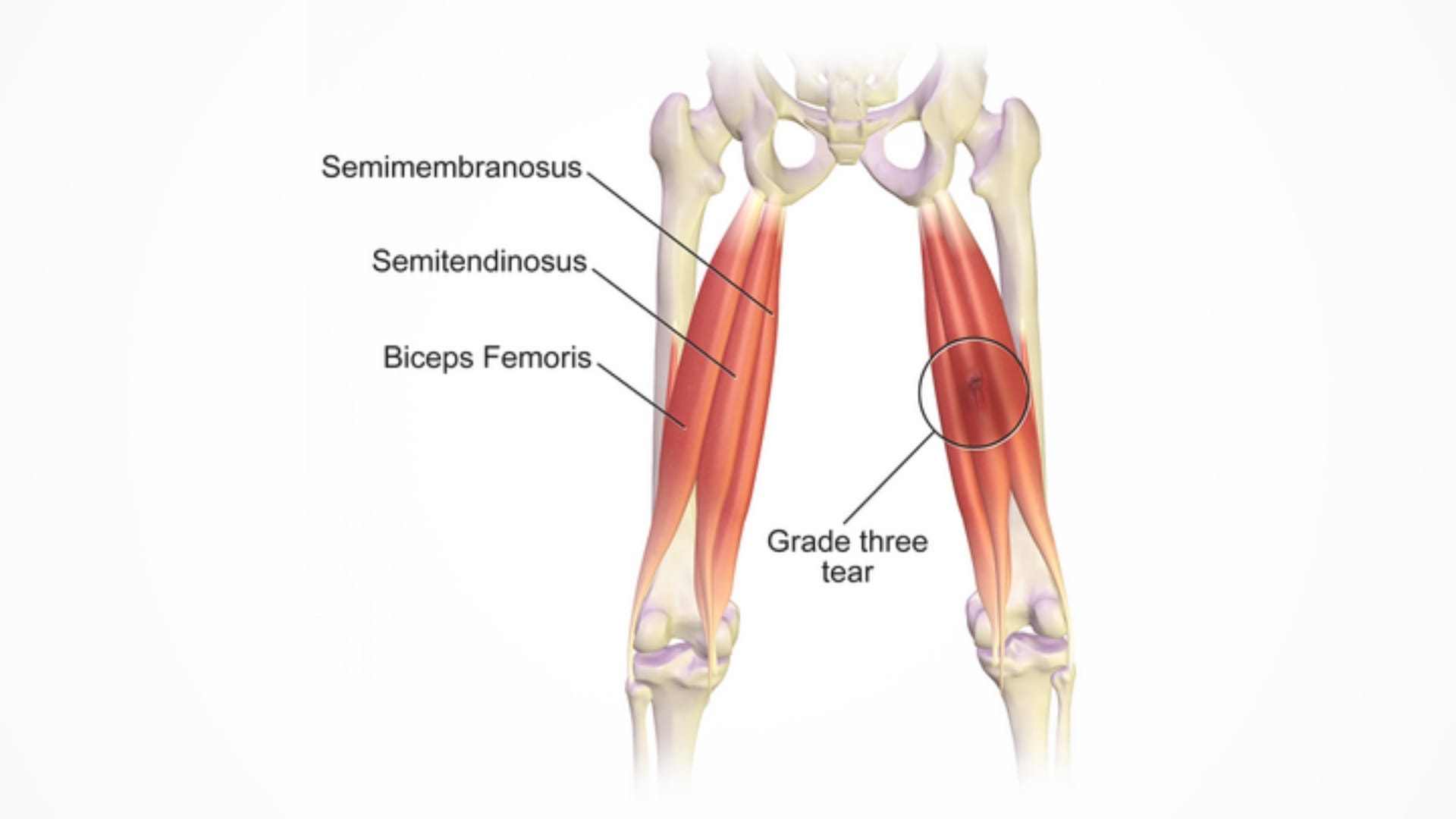
Understanding the Hamstring Muscles
The hamstrings are a group of three muscles located at the back of your thigh. These muscles are called the biceps femoris, semitendinosus, and semimembranosus. They start from the pelvis and run down the back of the leg to just below the knee. Together, they play a very important role in lower-body movement, especially in sports like tennis.
The hamstrings help your body move in several key ways. Their main functions include:
- Bending (flexing) the knee
- Extending the hip (moving your leg backward)
- Slowing down the leg during running
- Stabilizing the body during quick direction changes
In tennis, these muscles work very hard because the sport requires constant, quick, and powerful movements.
The hamstrings are especially active during:
- Sprinting toward a drop shot
- Explosive push-offs for wide forehands
- Sudden stops after long baseline rallies
- Jumping during serves
Sliding on clay courts
Since tennis involves repeated bursts of speed, fast stops, and body rotation, the hamstrings are always under pressure. Over time, this constant stress increases the risk of strain or injury, especially if the muscles are tight, weak, or tired.

What Is a Tennis Hamstring Injury?
A tennis hamstring injury typically refers to a strain or tear of one or more of the hamstring muscles. This occurs when the muscle is overstretched or overloaded beyond its capacity.
Unlike gradual overuse injuries, hamstring injuries in tennis are often acute and occur suddenly during explosive movement.
Common causes of hamstring injury are:
- Sprinting aggressively from a static position
- Lunging for a wide ball
- Recovering quickly after a serve
- Slipping during a directional change
- Overextending during a stretch shot

Types and Grades of Hamstring Injuries
Hamstring injuries are classified into three grades based on severity:
Grade 1 (Mild Strain)
- Minor muscle fiber damage
- Mild tightness or discomfort
- Minimal strength loss
- Little or no swelling
- Able to walk with slight discomfort
Recovery time: 1–3 weeks

Grade 2 (Moderate Strain)
- Partial muscle tear
- Noticeable pain and tenderness
- Swelling and possible bruising
- Reduced strength and range of motion
- Difficulty running or accelerating
Recovery time: 4–8 weeks
Grade 3 (Severe Tear)
- Complete muscle tear or rupture
- Sudden sharp pain with possible “popping” sound
- Significant swelling and bruising
- Inability to bear weight
- Visible muscle defect in some cases
Recovery time: 3 months or longer (may require surgery in rare cases)

Why Are Tennis Players at Risk?
Tennis uniquely combines several risk factors for hamstring injury:
1. Movements
Tennis is a sport that requires short bursts of maximum effort. Players often move from a standing position to full speed in just a few seconds. During serves, returns, and long baseline rallies, the legs must generate powerful force quickly. These explosive actions put a lot of stress on the hamstrings, especially when sprinting forward or pushing off to reach a wide ball. Repeated powerful movements increase the risk of muscle strain if the hamstrings are not strong enough.
2. Acceleration
Tennis is not just about running fast; it is also about stopping quickly. Rapid deceleration places heavy pressure on the hamstrings because they must work hard to slow the leg down. This type of muscle action is called eccentric loading, which means the muscle is lengthening while under tension. When players frequently start and stop during points, the hamstrings are constantly under strain, increasing the chance of injury.
3. Muscle Imbalance
Another common reason for hamstring injuries is muscle imbalance. Many players naturally develop strong quadriceps (the muscles at the front of the thigh) because they are heavily used in jumping and pushing movements. However, if the hamstrings at the back of the thigh are weaker in comparison, they cannot properly support the leg. This imbalance increases stress on the hamstrings and makes them more likely to get strained.

4. Inadequate Warm-Up
Skipping a proper warm-up before playing tennis can significantly increase injury risk. The hamstrings may remain stiff and tight without dynamic movements to prepare the muscles. Cold muscles are less flexible and less able to handle sudden, explosive actions. A good warm-up increases blood flow, improves flexibility, and prepares the muscles for high-intensity activity.
5. Fatigue
As a tennis match continues, the body becomes tired. When muscles are fatigued, they lose strength, coordination, and control. This makes it harder for the hamstrings to stabilize movements and absorb force properly. Fatigue often plays a major role in injuries that happen late in matches or during long tournaments.
6. Poor Flexibility
Tight hamstrings are more prone to injury because they cannot stretch properly during fast movements. Limited flexibility reduces the muscle’s ability to handle sudden lengthening, such as when sprinting or lunging. Over time, poor flexibility increases the likelihood of overstretching or tearing the muscle during play.

Common Symptoms of a Tennis Hamstring Injury
The symptoms vary depending on severity, but commonly include:
- Sudden sharp pain in the back of the thigh
- Tightness when walking or bending
- Swelling within hours
- Bruising in moderate to severe cases
- Reduced sprinting speed
- Difficulty bending the knee
- Tenderness to touch
In more severe cases, players cannot continue playing immediately after injury.
How does ANF Therapy® help manage tennis hamstring?
ANF Therapy® is an advanced approach that can be used as complementary therapy along with standard treatment approaches. This therapy utilises small wearable devices that are applied to the affected areas of your body. This therapy supports your body’s natural healing process.
Outcomes
A study involving 1,054 patients across 45 countries evaluated the use of ANF Therapy® for various musculoskeletal concerns. Commonly addressed areas included the lower back, knees, neck, and shoulders. Reported pain scores decreased from an average of 7.6 to 3.1 out of 10 following ANF Therapy® use. Participants also reported reduced swelling and improved range of motion. Overall satisfaction scores were high, while reported effects such as dry mouth, headache, or fatigue were mild and short-term.
While these findings are not specific to muscle strain alone, they reflect how ANF Therapy® is commonly used in supportive care settings for musculoskeletal recovery and neuromuscular balance.
Start Your Journey With ANF Therapy®
ANF Therapy® is a frequency-based approach that supports the body’s natural processes. If you are dealing with ongoing muscle tension or strain in your hamstring after tennis, you may consider consulting an ANF Practitioner to discuss whether ANF Therapy® could be included as part of your personal wellness or recovery strategy.
You can find an ANF Therapist by visiting: www.anftherapy.com/find-clinic. If you are a healthcare professional interested in expanding your understanding of the frequency-based approach, learn more about ANF Therapy® and the ANF Clinical Education Program at www.anfacademy.com.

Immediate Treatment: What to Do Right Away
If you suspect a hamstring injury during a tennis match, immediate and appropriate action is critical to prevent further tissue damage and prolonged recovery.
Stop Playing Immediately
Continuing to play can significantly worsen the muscle tear. When you experience initial signs of hamstring injury, such as sharp pain, pulling sensation, or sudden weakness in the back of the thigh, you should stop playing tennis immediately. Attempting to “play through” the pain often converts a minor strain into a more severe injury.

Follow the R.I.C.E. Protocol
Rest:
Avoid weight-bearing activities if walking is painful. Reduce movement to prevent additional strain on the injured muscle fibers.
Ice:
Apply ice to the affected area for 15–20 minutes every 2–3 hours during the first 24–48 hours. This helps limit inflammation and reduce pain.
Compression:
Use an elastic compression bandage around the thigh to control swelling. Ensure it is snug but not tight enough to restrict circulation.
Elevation:
Raise the leg when possible, especially during rest, to minimize swelling.
You should avoid aggressive stretching during the first 48 hours, as this may increase tissue damage and delay healing.

Rehabilitation and Recovery
Structured rehabilitation is essential for proper healing and for reducing the high recurrence rate associated with hamstring injuries. Rehabilitation should progress in phases based on pain levels, strength, and functional capacity.
Phase 1: Acute Stage (Days 1–7)
During the initial stage, you should focus on protecting the tissue while maintaining gentle mobility.
- Perform gentle, pain-free range-of-motion movements.
- Begin isometric exercises, which activate the muscle without joint movement.
- Engage in light walking only if it is tolerated without pain or limping.
The goal is to restore neuromuscular activation without stressing the healing fibers.
Phase 2: Early Strengthening
Once pain decreases and basic mobility improves, start light strengthening exercises, such as:
- Glute bridges to activate the posterior chain
- Light hamstring curls within a pain-free range
- Core stability exercises to support pelvic control
- Stationary cycling at low resistance to promote circulation
This phase emphasizes controlled strengthening without excessive loading.

Phase 3: Progressive Loading
As strength and control improve, you can introduce more demanding exercises like:
- Romanian deadlifts to strengthen hip hinge mechanics
- Single-leg exercises to restore limb symmetry
- Eccentric hamstring strengthening to improve load tolerance
- Controlled agility drills to prepare for sport-specific movement
Phase 4: Return to Tennis
Return-to-sport training must be progressive and performance-based. It typically involves:
- Gradual sprinting drills
- Lateral movement practice
- Controlled rallying session
- Match simulation under supervision
Return to full play only when:
- Full strength has been restored compared to the uninjured side
- There is no pain during sprinting or sudden directional changes
- Full range of motion is achieved
- Sport-specific drills can be performed pain-free
How Long Does Recovery Take?
Recovery duration depends on the severity of the strain and the quality of rehabilitation.
- Mild strain takes approximately 2–3 weeks
- Moderate strain may take approximately 6–8 weeks
- A severe tear may take 3 months or longer to heal.
Returning too early significantly increases the risk of reinjury, and recurrent hamstring injuries are often more severe than the initial episode.

Prevention Strategies for Tennis Players
Preventing hamstring injuries is considerably more effective than treating them. Tennis involves rapid acceleration, deceleration, and directional changes, all of which place high demand on the posterior chain.
1. Structured Warm-Up (10–15 Minutes)
A proper dynamic warm-up prepares the neuromuscular system for explosive movement.
Warm-up exercises include:
- Leg swings
- Walking lunges
- High knees
- Butt kicks
- Light court movement drills
You should avoid static stretching before play, as it may temporarily reduce power output.
2. Strengthen the Posterior Chain
A strong posterior chain reduces excessive strain on the hamstrings. Focus on exercises such as:
- Deadlifts
- Nordic hamstring curls
- Glute bridges
- Hip thrusts
Well-conditioned gluteal muscles help distribute load efficiently during sprinting and lateral movements.
3. Improve Eccentric Strength
Eccentric strength refers to the muscle’s ability to lengthen under tension. This quality is essential for protecting against sudden sprint-related injuries. Incorporate controlled eccentric training to improve hamstring resilience and reduce injury risk.
4. Maintain Flexibility
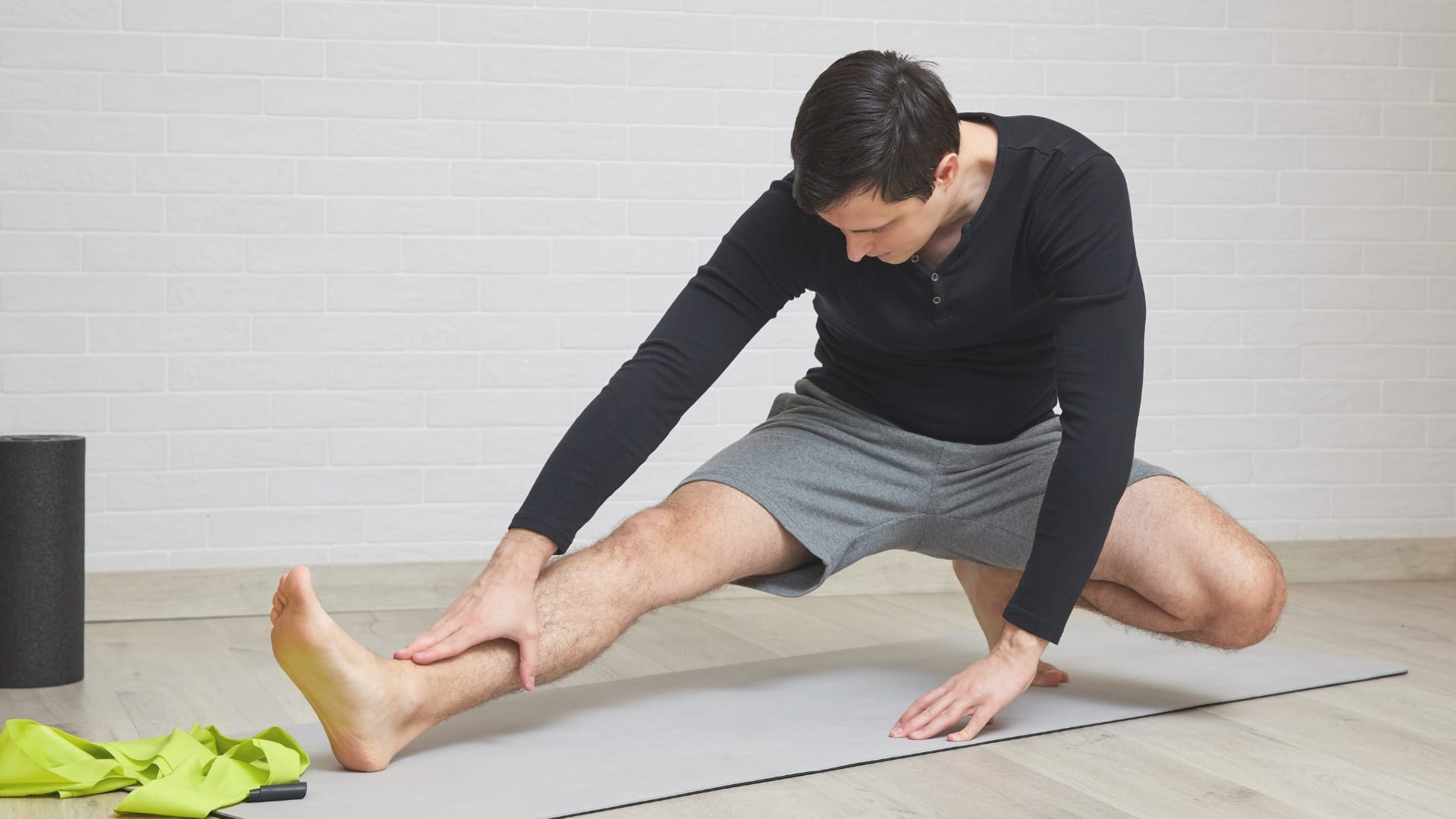
Maintaining good flexibility is important for keeping the hamstrings healthy. After playing tennis, doing static stretching (holding a stretch for 20–30 seconds) helps the muscles relax and recover. Regular stretching also improves muscle elasticity, allowing the hamstrings to lengthen more easily during fast movements. Flexible muscles are less likely to tear when sprinting, lunging, or reaching for wide shots.
5. Manage Training Load
It is important to avoid sudden increases in training intensity or match frequency. For example, jumping from playing once a week to playing every day can overload the hamstrings. The muscles need time to adapt to increased demands. Gradually increase training time and intensity to allow your body build strength safely and reduce the risk of strain or injury.
6. Address Muscle Imbalances
Balanced muscle strength between the quadriceps (front thigh muscles) and hamstrings (back thigh muscles) is essential. If the quadriceps are much stronger, they can place extra stress on the hamstrings during running and stopping. Strength training exercises that target both muscle groups help maintain proper balance. When strength ratios are balanced, the legs move more efficiently, and the risk of hamstring injury decreases.
Complications of Hamstring Injury if remain untreated
If left untreated, the complications of a hamstring injury include the following:
- Chronic tightness
- Scar tissue formation
- Recurrent strains
- Reduced sprint speed
- Long-term performance decline
Professional tennis players often miss major tournaments due to poorly managed hamstring injuries.
Psychological Impact on Tennis Players
Many athletes struggle mentally during recovery due to the following factors:
- Fear of reinjury
- Hesitation during sprinting
- Reduced confidence
- Frustration from downtime
Gradual exposure to tennis-specific drills helps rebuild athletes’ confidence.
Conclusion
A tennis hamstring injury is a common but serious condition caused by the explosive speed, rapid stops, and quick directional changes required in tennis. Without proper care, it can lead to prolonged recovery, recurrent strains, and reduced performance. Early recognition, immediate management using the R.I.C.E. protocol, and a structured rehabilitation program are essential for safe and effective recovery.
Prevention plays a key role in long-term muscle health. Consistent warm-ups, strengthening the posterior chain, improving eccentric control, maintaining flexibility, and managing training load can significantly lower the risk of injury. Supportive approaches such as ANF Therapy® may also be considered as part of a comprehensive recovery strategy under professional guidance.