Why Your Quads Are Not Healing: What Are The Common Reasons for Slow Quads Recovery
Have you ever sprinted up the stairs and felt your thighs ache for days after? The quadriceps often take longer to recover than other muscles. These powerful muscles help you stand, sit, walk, and run. They’re even working when you’re standing still. Since they’re always active, it can be frustrating when you don’t bounce back quickly from tight quads.
ANF Therapy® is an advanced frequency-based approach for supporting the healing mechanisms of the body in case of musculoskeletal injuries. It utilises small ANF Devices that are applied to the affected areas of your body.
You might wonder, “Why are my quads not healing?” or “How long should quad soreness last?”. The answer is not simple. Recovery is shaped by how much you use your quads and how well you rest. This article explains the most common reasons why quads may feel slow to heal and how ANF Therapy® can be helpful.

What Are the Quadriceps?
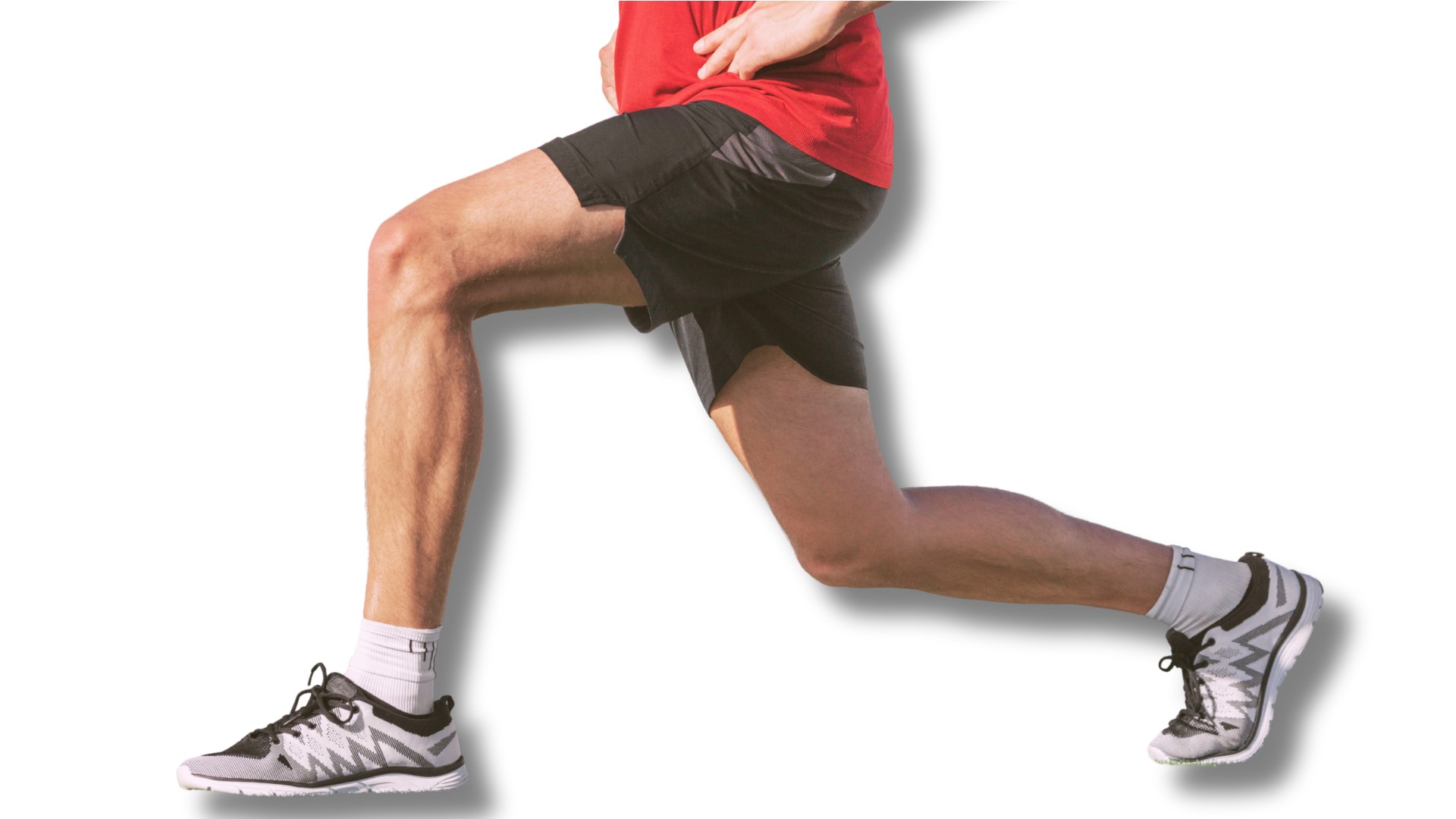
The quadriceps femoris (often shortened to “quads”) is a large muscle group located at the front of your thigh. The name “quadriceps” means four heads, because it is made up of four separate muscles that work together.
Muscle | Description |
Rectus femoris |
|
Vastus lateralis |
|
Vastus medialis |
|
Vastus intermedius |
|
What Slow Quads Recovery Often Feels Like
When your quadriceps take longer to recover, the experience is usually noticeable in everyday life. People often describe symptoms of quads that are not healing as:
Lingering soreness
Quad soreness or tightness in the thighs can last for several days or up to a week. This is different from normal next-day muscle soreness. It lingers longer and does not improve with light rest. It often appears after new workouts or more intense quadriceps exercise.
Stiff, Heavy Legs
Quad stiffness can cause your thighs to feel heavy and difficult to move. Even with rest days, the tightness does not completely subside. Basic actions like stretching, bending, or standing up can feel limited and harder than usual.
Motor Weakness
Quad weakness can make everyday tasks harder. The loss of strength shows up in daily chores such as climbing stairs or carrying a bag of groceries.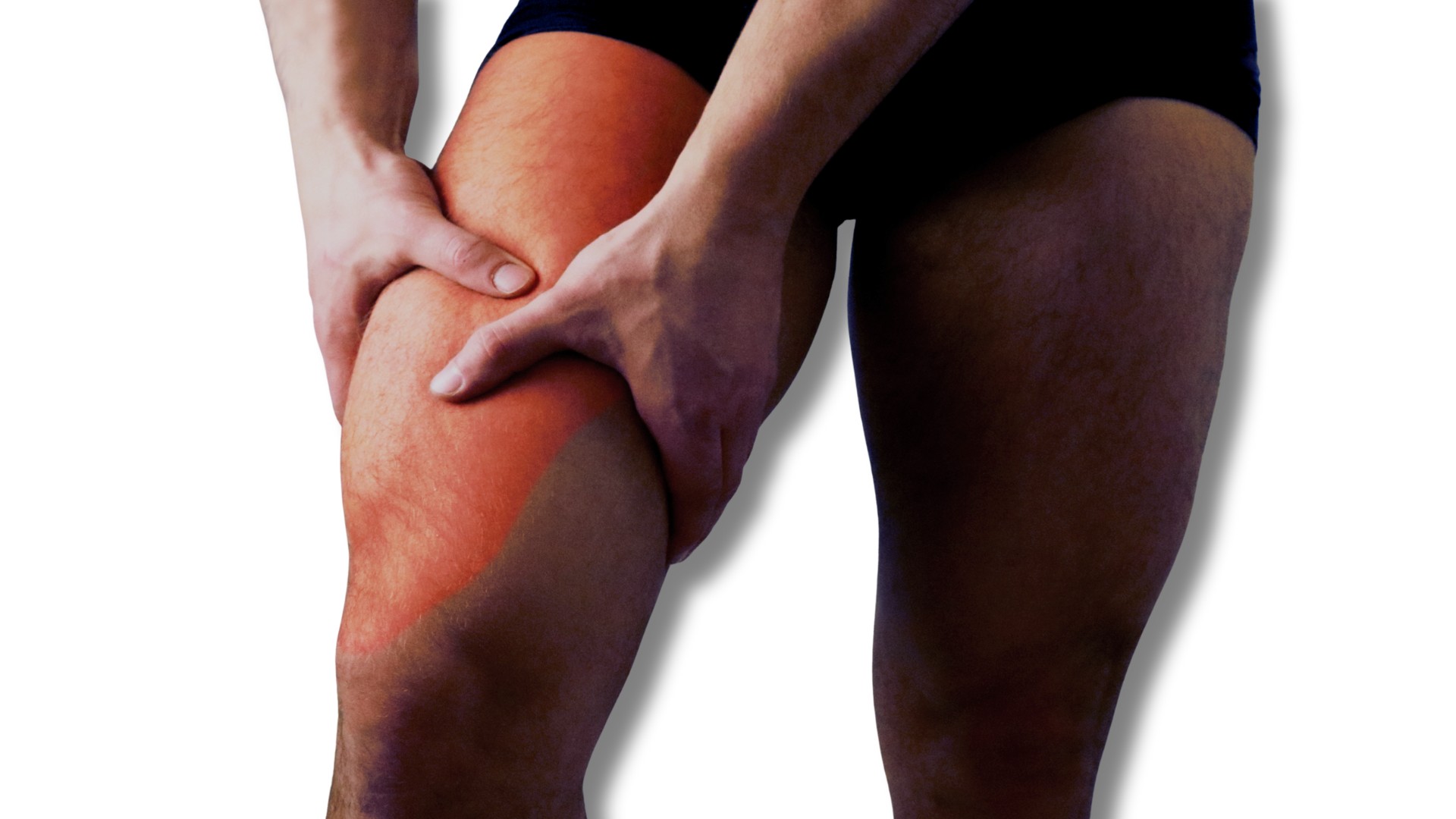
What is a Quads Recovery Plateau?
A quad recovery plateau occurs when your thighs stop showing signs of healing even while resting. Your legs may not feel worse, but they do not feel better either.
| What a quad plateau looks like | Why quad plateaus happen |
|
|
Factors That Slow Quadriceps Recovery
Several factors can slow down the rate of quads’ healing. Recovery depends on the amount of stress your muscles face each day and how well your body copes with it.
Everyday Activities
Even small daily actions keep your quads busy and delay their healing, such as:
- Climbing stairs makes the quads lift your body weight. Going down is even harder and causes more soreness.
- Standing for hours keeps the quads tight as they hold your knees steady.
- Simple movements like squatting or bending add strain.
- Long walks or brisk walking act like extra training for tired quads.
Changes in Blood Circulation
Good blood flow is needed for muscles to heal. The quads depend on oxygen and nutrients to repair, so any changes in blood circulation can cause delayed healing in your quads:
- Sitting for a long time lowers blood flow in the thighs. This slows the healing of quad fibers.
- Standing without moving squeezes blood vessels. This limits nutrients that reach the quads.
- When the muscles are tired, they pump blood less well. Waste products then stay longer.
Training Stress from Exercise
Exercise regimens can put stress on quads. The type of movements your body undergoes decides how much soreness you feel in your quads:- A sudden increase in training puts more damage on the muscle than it can repair quickly.
- Squats, lunges, and downhill walking stretch the quads while they contract. This type of work causes stronger soreness.
- Soreness after such training peaks between 24 and 72 hours.
- Slow and steady progress gives the quads time to heal and grow stronger.

Sleep
Deep sleep helps release growth hormone, which rebuilds muscle fibers all over your body. Since the body repairs itself during sleep, poor sleep makes quad recovery much slower:
- Lack of sleep can reduce muscle protein synthesis by nearly 18%.
- Broken sleep increases inflammation and prolongs soreness.
Nutrition
Without adequate nutrition, quads cannot recover on time:- Even mild dehydration of 1 to 2% of your body weight can lead to increased fatigue.
- Protein gives amino acids that repair muscles, including your quadriceps.
- Vitamin C helps rebuild tissue, and magnesium supports energy use.
Stress and Cortisol
Stress increases cortisol levels, which break down muscle tissue. Research shows that this hormone slows muscle recovery. High cortisol levels also worsen sleep and increase inflammation.
What fastens the quadriceps recovery?
ANF Therapy® or Amino Neuro Frequency Therapy is a frequency-based approach that is applied by trained healthcare professionals to aid in the treatment, prevention, and relief of musculoskeletal injuries, as well as related issues such as pain, swelling, discomfort, and limited mobility. It is also designed for use in physical rehabilitation, neuromusculoskeletal care, and supportive treatment settings.
Outcomes:
ANF Therapy® is a non-invasive, chemical-free method. It uses small carbonised metal devices that are applied to the skin. In a real-world study involving 1,054 patients across 45 countries, pain levels decreased significantly, from 7.6 to 3.1 out of 10 with ANF Therapy®. Common pain areas included the lower back, knee, neck, and shoulder. Patients also showed reduced swelling and improved range of motion. Satisfaction was high (92/100), and side effects, such as dry mouth, headache, and fatigue, were mild and short-term, reported by 42% of patients. The results are promising, but should be interpreted with caution.
Start your journey with ANF Therapy®:
ANF Therapy® is the newest frequency-based approach. If you are suffering from a quadriceps injury, consult an ANF Practitioner or find an ANF Therapist at https://www.anftherapy.com/find-clinic/ to discuss how ANF Therapy® can help.
If you’re a healthcare practitioner and want to enhance your clinical skills with frequency medicine, learn more about the ANF Therapy® and ANF Clinical education program by visiting www.anfacademy.com.