Why Does My Elbow Hurt When I Throw?
Understanding a Medial Collateral Ligament (MCL/UCL) Sprain
If you feel pain on the inside of your elbow every time you throw something, you’re not alone. This is a common problem among athletes who play throwing sports like baseball, cricket, javelin, tennis, and softball. One of the most common causes is a medial collateral ligament (MCL) sprain, also called a ulnar collateral ligament (UCL) injury.
ANF Therapy® is an advanced approach that provides a supportive role in the management of medial collateral ligament (MCL/UCL) sprain. In this blog, we will discuss what an MCL sprain is, why it happens, and how ANF Therapy® can be helpful in the management of a medial collateral ligament sprain.
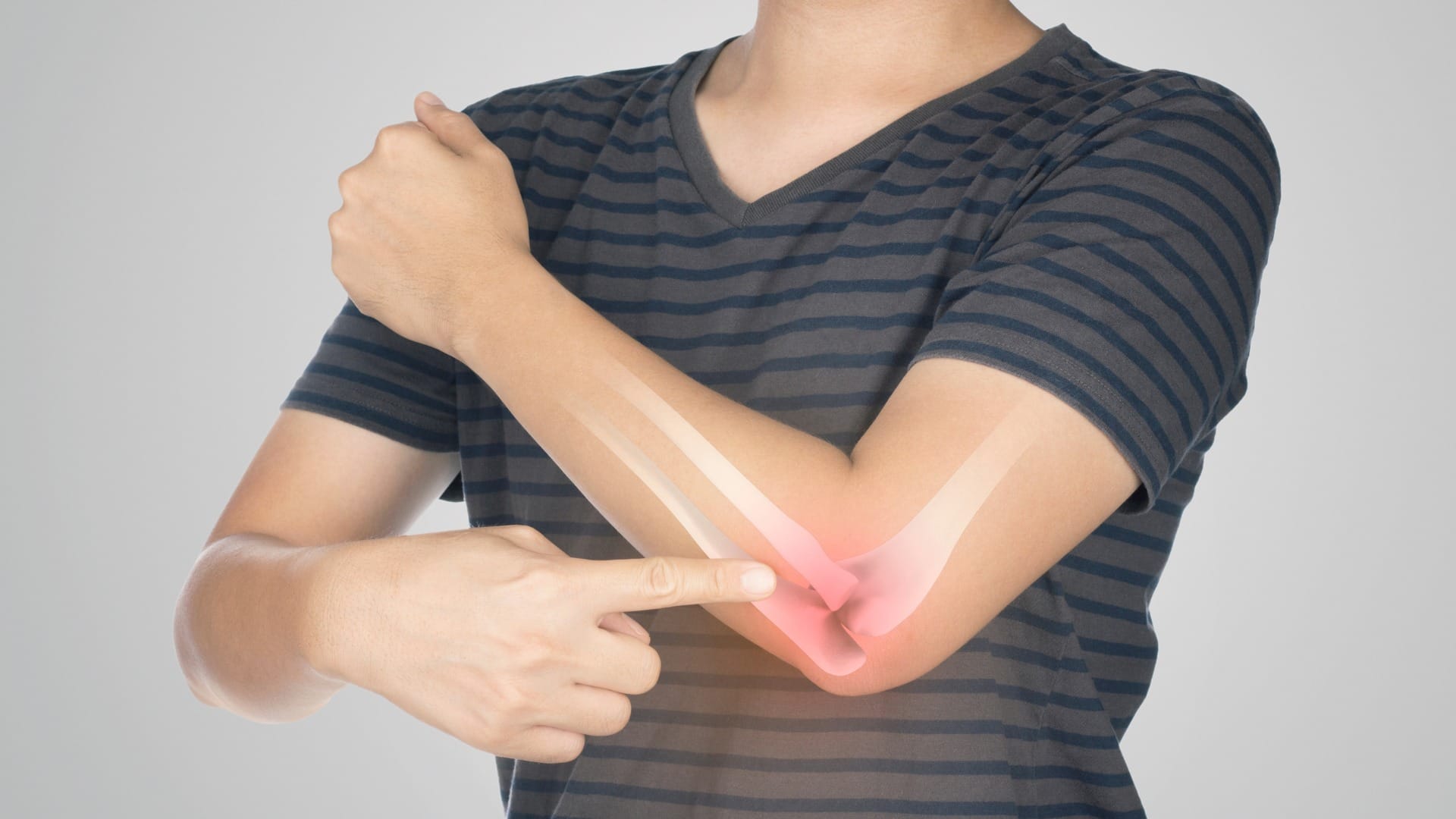
Understanding the Elbow and the MCL (UCL)
The elbow is a complex joint where three bones meet:
- Humerus (upper arm bone)
- Ulna (forearm bone)
- Radius (forearm bone)
On the inside of your elbow runs a strong band of tissue called the medial collateral ligament (MCL), or ulnar collateral ligament (UCL). The main job of this ligament is to keep your elbow stable when you bend, straighten, and especially when you throw.
When you throw, your arm experiences intense force. This puts stress on the MCL/UCL. Over time, or with one bad throw, the ligament can become overstretched or torn, which can cause pain in the inside of your elbow joint.

Why Throwing Causes Elbow Pain?
Elbow pain usually occurs due to the following, and typically involves athletes who frequently engage in throwing activities.
1. Repetitive Stress
Every throw places “valgus stress” on the elbow, meaning it pushes the joint outward. Repeating this hundreds or thousands of times can slowly weaken the ligament and make it prone to injury or sprain.
2. Poor Throwing Mechanics
Improper technique increases strain on the elbow.
Common mistakes include:
- Throwing mostly with the arm instead of the whole body
- Poor shoulder rotation
- Weak core and leg drive
These errors force the elbow to work harder than it should.
3. Overuse and Fatigue
Overuse and fatigue occur when athletes throw too often without adequate rest. This prevents the tissues in the elbow from healing and recovering properly. As the muscles tire, they lose their ability to stabilize and protect the joint, shifting more stress and load onto the ligament and increasing the risk of pain and injury.
4. Sudden Increase in Activity
A sudden increase in activity happens when an athlete moves too quickly from minimal throwing to intense practice without allowing enough time for the body to adapt. This rapid change can overload the ligament, which may lead to pain and injury.
5. Previous Injuries
Previous injuries to the elbow or shoulder can affect the way an athlete moves and throws, leading to altered movement patterns or poor mechanics. These changes can place extra stress on the MCL/UCL and make the ligament more vulnerable to strain, pain, and re-injury.
Signs of an MCL/UCL Sprain
The signs and symptoms of MCL/UCL sprain include followings:
- Pain on the inner side of the elbow
- Pain that worsens during throwing
- Loss of throwing speed
- Loss of accuracy
- A “pop” sensation (in more serious cases)
- Stiffness or weakness in the arm
- Tingling or numbness in the fingers (sometimes, due to nerve irritation).
- Muscle spasms
Pain often appears during the acceleration phase of throwing and after activity.
Grades of Ligament Injury
MCL/UCL injuries are usually classified into three levels according to their severity.
Grade 1 (Mild)
- Slight stretching
- Minor pain
- No instability
Grade 2 (Moderate)
- Partial tear
- Noticeable pain
- Reduced performance
Grade 3 (Severe)
- Complete tear
- Significant pain
- Elbow instability
- Often requires surgery
How Is It Diagnosed?
Your ANF Therapist will diagnose an MCL sprain through a physical examination and palpation of the elbow. They will also perform a stress test to assess the joint’s stability and confirm an MCL sprain. Early diagnosis is important to prevent worsening.
How to manage an MCL sprain without surgery?
There are various ways to manage an MCL sprain without surgery, depending on the severity of the sprain. These include:
1-ANF Therapy®:
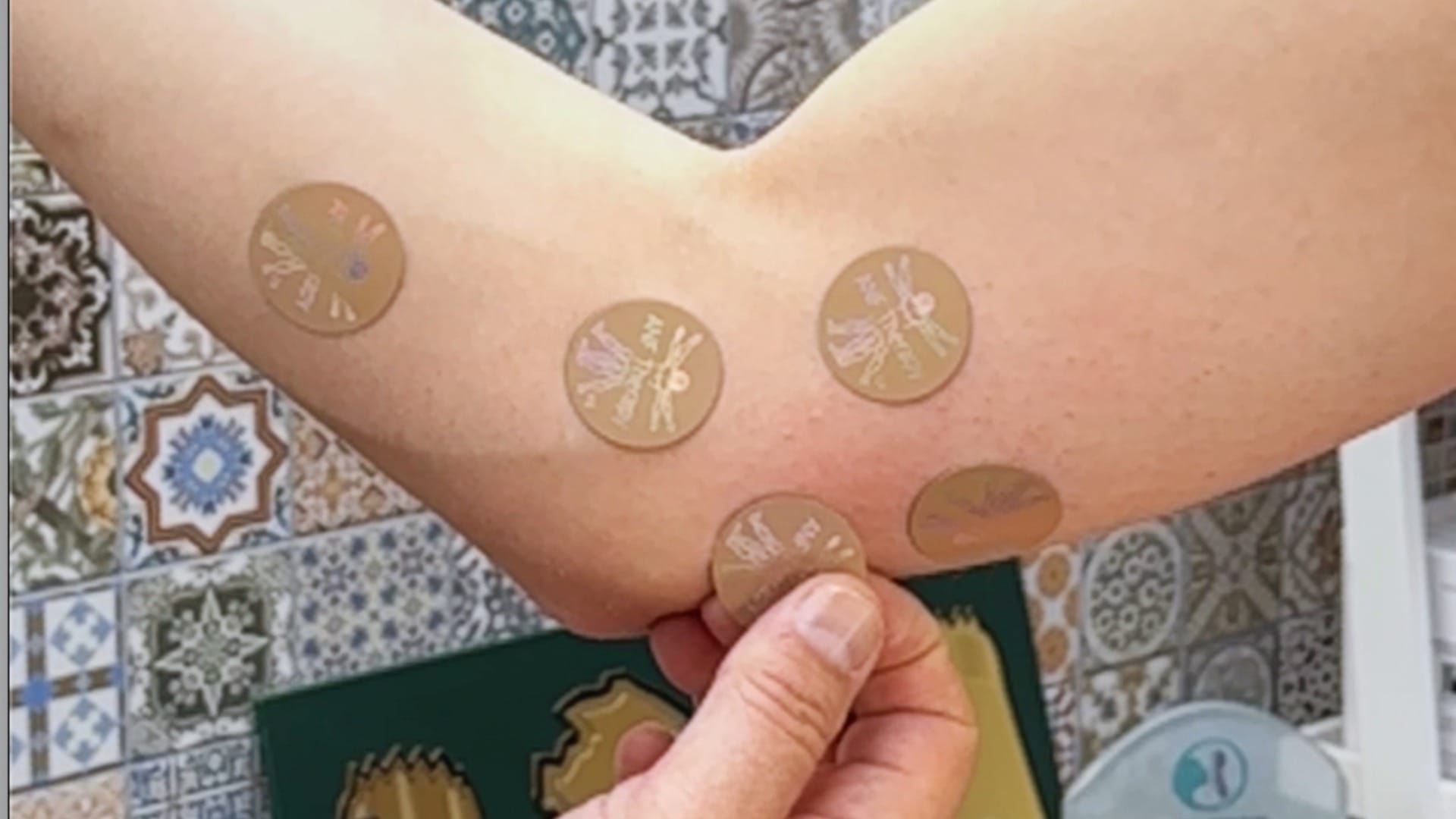
ANF Therapy® is an advanced frequency-based approach that supports your body’s natural healing process. This therapy utilises small ANF Devices that are applied in the affected areas of your body. These devices are used by trained ANF Practitioners under their supervision as part of a comprehensive rehabilitation program.
What does Research say?
A clinical study involving 1,054 patients from 45 countries assessed the effectiveness of ANF Therapy® in managing pain and inflammation. As a result, average pain scores dropped from 7.6 to 3.1 out of 10 after using ANF Therapy®. The most common areas of pain and inflammation were the lower back, knees, neck, and shoulders. Patients also experienced less swelling and better movement. Patients showed high satisfaction levels (92/100). Mild and short-term side effects such as dry mouth, headache, and fatigue were reported by 42% of participants. These findings show that ANF Therapy® can be an effective approach to the management of chronic pain and orthopaedic issues.
ANF Therapy® can also be used as a complementary treatment alongside other therapies. These may include the following.
2-Rest and Activity Modification
Rest is one of the most important steps in healing an MCL injury. Temporarily stopping throwing and other activities that stress the elbow allows the damaged tissues to recover. If you continue to throw through pain, it can worsen the injury and potentially turn a mild strain into a serious tear that may require long-term treatment.
3-Ice and Anti-Inflammation
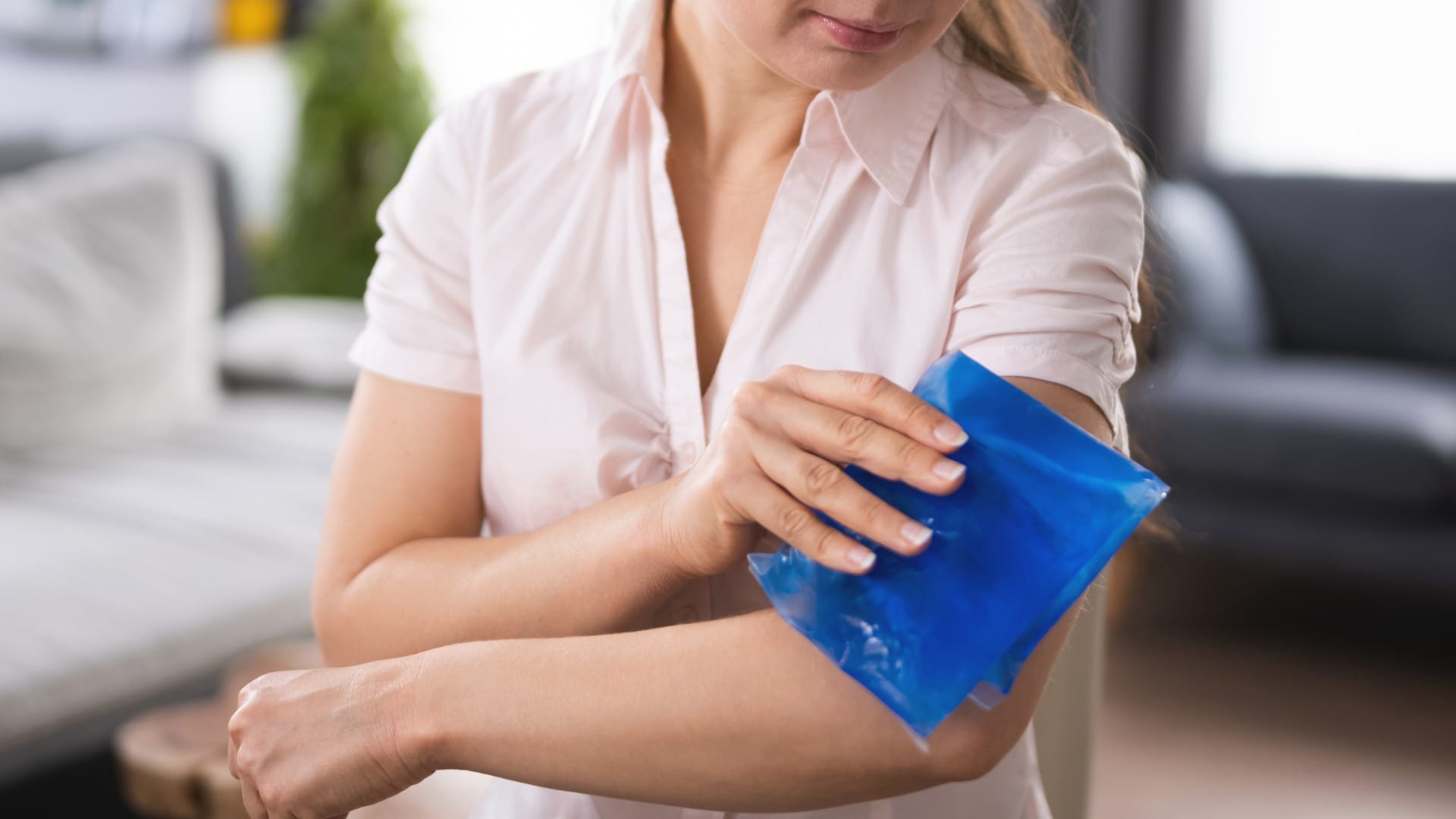
Applying ice packs for 15-20 minutes several times a day helps reduce pain, swelling, and inflammation in the injured area. This can be especially helpful in the early stages of recovery.
4-Physical Therapy
Physical therapy plays a key role in rehabilitation. A therapist will design a program to strengthen the forearm, shoulder, and core muscles to improve overall arm stability. Flexibility exercises help maintain proper joint movement, while technique training corrects faulty throwing mechanics that may have contributed to the injury. This reduces stress on the ligament and lowers the risk of re-injury.
5-Gradual Return to Throwing
Returning to throwing should be done slowly and carefully, as advised by your ANF Healthcare Practitioner. This will gradually increase throwing distance, intensity, and volume over time. A gradual approach allows the ligament and surrounding muscles to adapt safely and help prevent setbacks or repeated injuries.
6-Bracing or Taping
In some cases, braces or athletic taping may be used to provide extra support and stability to the elbow during recovery. These methods can help reduce strain on the ligament, boost confidence while returning to activity, and protect the joint during training. However, they are usually used alongside rehabilitation and ANF Therapy®, not as a replacement for proper treatment.
How to Prevent Elbow Pain From Throwing?
Prevention is always better than treatment, especially when it comes to throwing-related elbow pain. Repetitive throwing places significant stress on the elbow joint, tendons, ligaments, and surrounding muscles. Over time, poor mechanics, fatigue, or inadequate conditioning can increase the risk of strain or injury. The following strategies focus on reducing load on the elbow by improving preparation, movement efficiency, and recovery.
Warm Up Properly
A proper warm-up prepares the muscles, joints, and nervous system for the demands of throwing. Cold or stiff tissues are more vulnerable to strain, especially during explosive movements. A good warm-up should gradually increase blood flow and mobility in the shoulders, elbows, wrists, spine, and hips.
Dynamic movements such as arm circles, shoulder rotations, thoracic spine mobility drills, and light resistance band exercises help activate stabilizing muscles. Warming up the core and lower body is equally important, as throwing is a full-body movement, not just an arm action.
Build Total Body Strength
Elbow pain often develops when the arm is forced to compensate for weakness elsewhere in the body. Strong legs, hips, and core play a major role in generating force during throwing. When these areas are weak, more stress is transferred to the shoulder and elbow.
Strength training should focus on lower-body power, hip stability, trunk control, and shoulder girdle endurance. Exercises that improve balance, rotational strength, and postural control help distribute forces more evenly across the body, reducing repetitive overload on the elbow.
Improve Your Technique
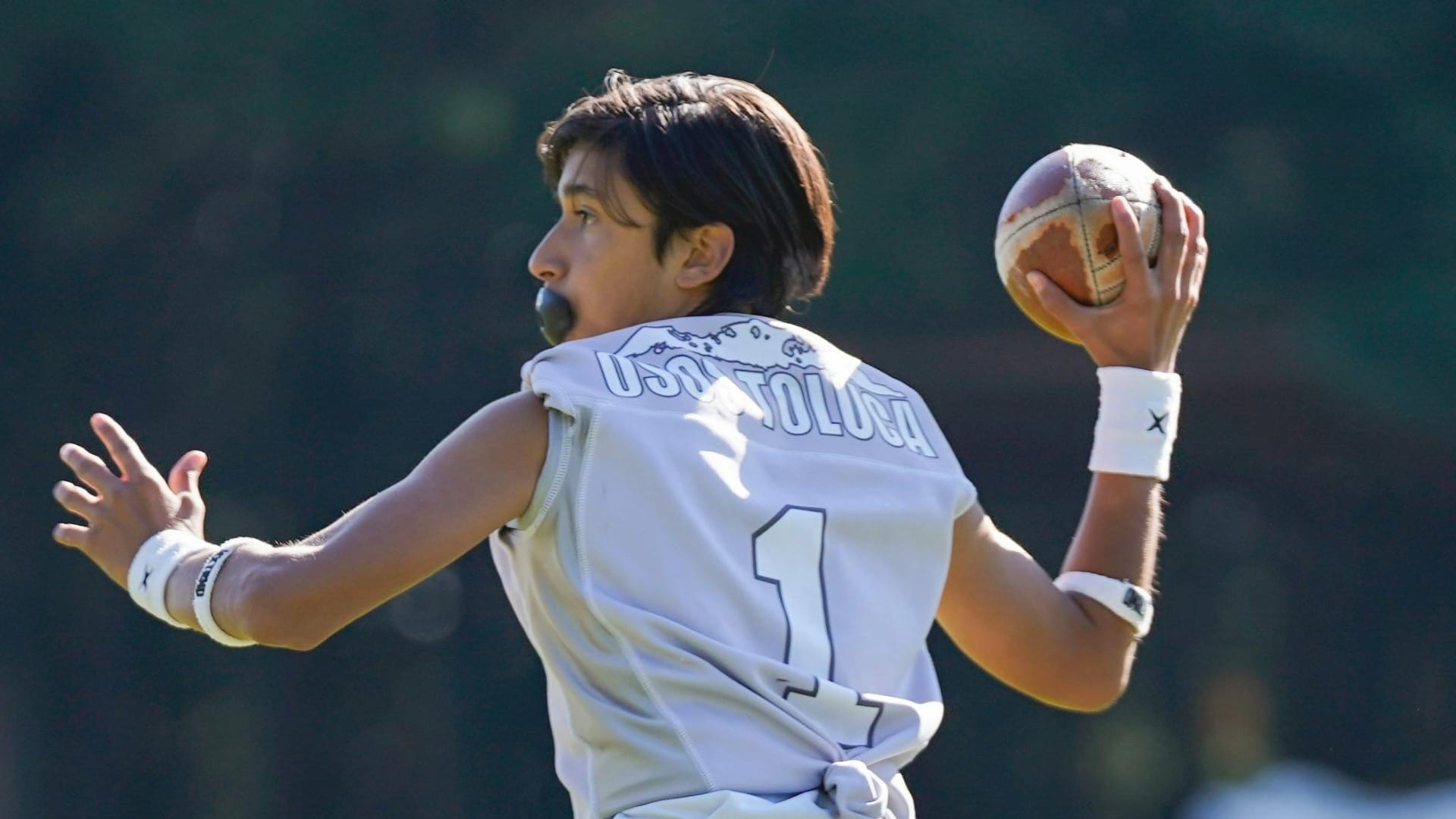
Poor throwing mechanics are one of the most common contributors to elbow pain. Small inefficiencies in timing, arm position, or trunk rotation can significantly increase stress on the elbow joint over thousands of repetitions.
Working with a qualified coach or movement specialist can help identify technical faults and improve efficiency. Proper sequencing, smooth energy transfer from the legs to the arm, and controlled deceleration are key elements of safer throwing mechanics. Improving technique not only reduces injury risk but can also enhance performance.
Follow Pitch or Throw Limits
Excessive throwing volume without adequate recovery increases the risk of overuse injuries. This is especially important for young athletes whose tissues are still developing. Pitch counts, rest days, and seasonal breaks help protect the elbow from cumulative stress.
Ignoring throwing limits can lead to fatigue-related breakdown of mechanics, which places additional strain on ligaments and tendons. Structured training schedules that balance workload and recovery are essential for long-term joint health.

Rest and Recover
Recovery is when tissues adapt and rebuild. Without sufficient rest, microstrain accumulates and may progress to pain or injury. Regular rest days, adequate sleep, and recovery strategies such as light mobility work help maintain tissue health.
Listening to fatigue signals and reducing intensity when needed allows the elbow and surrounding structures to recover before overload occurs. Recovery should be viewed as an active part of training, not an interruption.
Listen to Your Body
Pain is not something to push through or ignore. Early warning signs such as soreness, stiffness, reduced range of motion, or loss of throwing accuracy may indicate excessive strain. Continuing to throw through pain can worsen the condition and prolong recovery.
Addressing symptoms early, modifying activity, and seeking professional assessment when needed can prevent minor issues from becoming long-term problems. Awareness and timely response are key components of injury prevention.
When Should You See an ANF Therapist?
Seek professional help if:
- Pain lasts more than 1–2 weeks
- You feel instability or weakness
- Your performance drops suddenly
- You hear or feel a “pop.”
- Numbness or tingling develops
Early treatment is necessary for faster recovery.
Conclusion:
Elbow pain during throwing is often caused by an MCL/UCL sprain and should not be ignored. Early diagnosis, proper rest, rehabilitation, and supportive care, such as ANF Therapy®, can help promote safe and effective recovery.
ANF Therapy® is the newest and frequency-based approach to support the body’s own healing processes. If you are experiencing weakness, pain in the inner side of your elbow, or feeling pain while throwing something, consult an ANF Practitioner or find an ANF Therapist at https://www.anftherapy.com/find-clinic/ to discuss how ANF Therapy® can be helpful.
If you’re a healthcare practitioner and want to enhance your clinical skills with frequency medicine, learn more about the ANF Therapy® and ANF Clinical education program by visiting www.anfacademy.com.