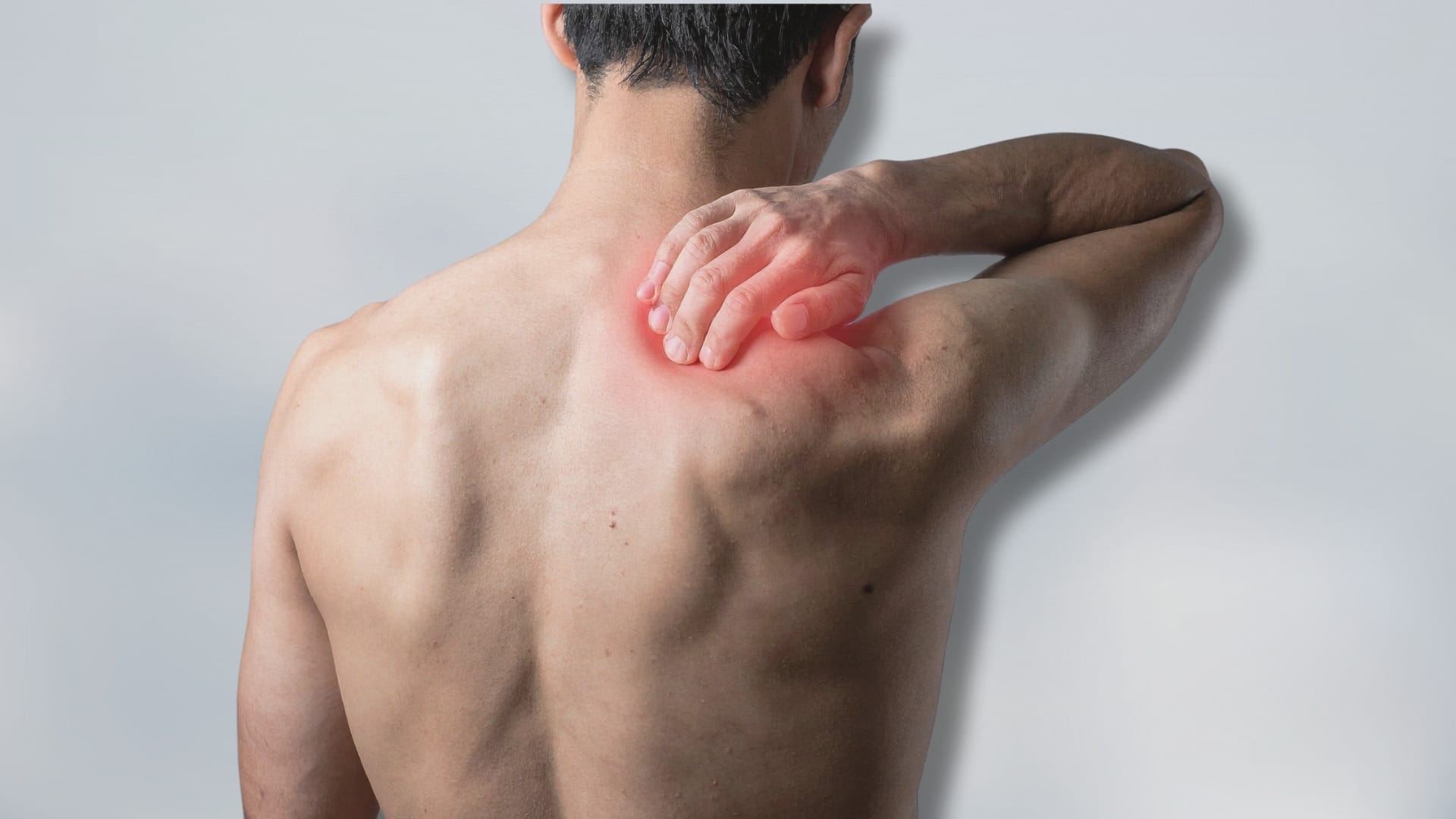
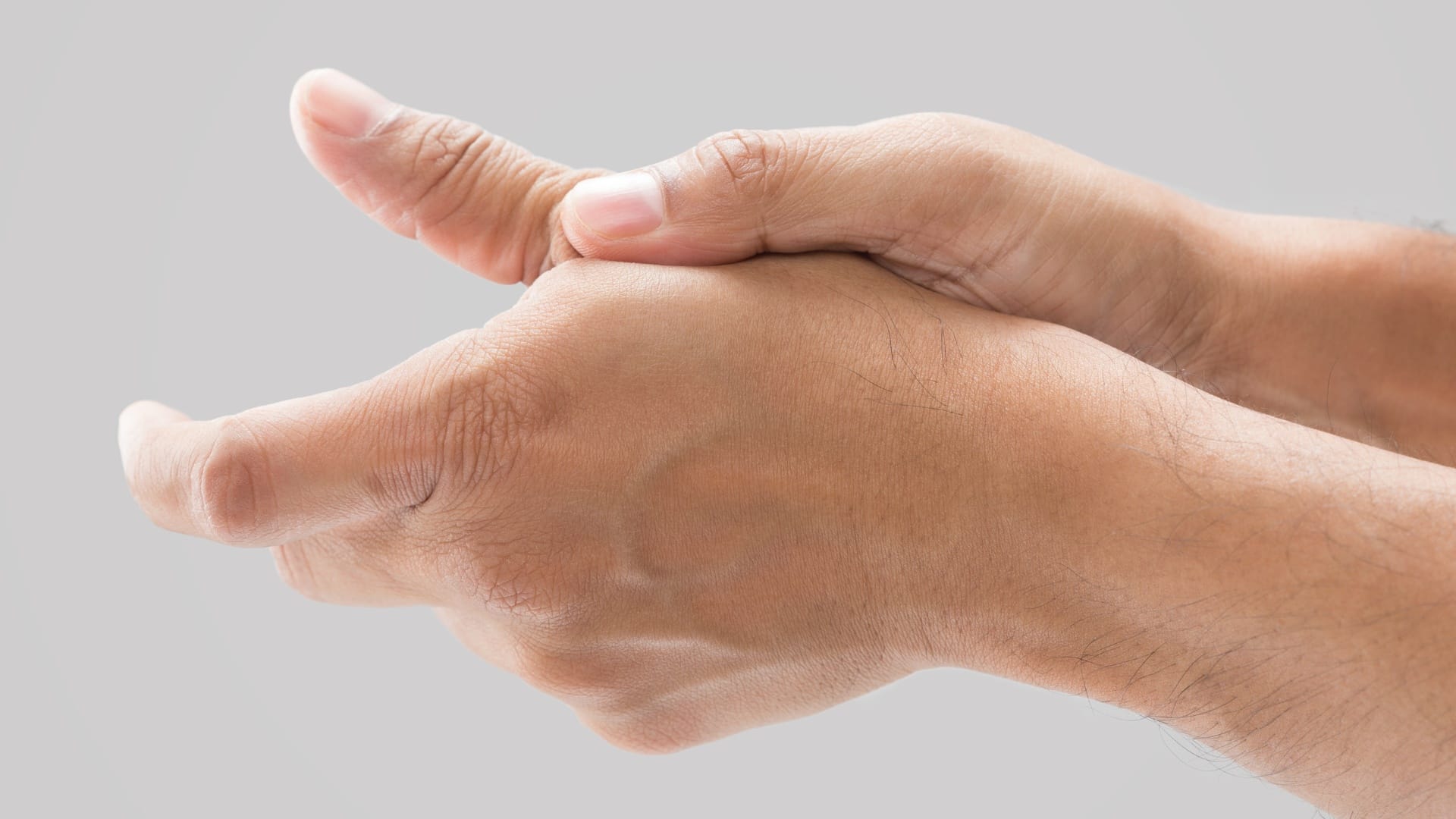
Thumb injuries are common among athletes, outdoor enthusiasts, and even people performing daily tasks. One of the most frequent and serious thumb injuries is the Ulnar Collateral Ligament (UCL) injury, also known as Skier’s Thumb or Gamekeeper’s Thumb, in which there is an injury to the ulnar collateral ligament of your first metacarpophalangeal joint. This condition can significantly affect hand function if left untreated.
ANF Therapy® is an advanced approach that supports the healing process for a wide range of musculoskeletal injuries. In this blog, we will explore thumb UCL injuries, including causes, symptoms, and treatment with ANF Therapy®.
What Is the Ulnar Collateral Ligament of the Thumb?
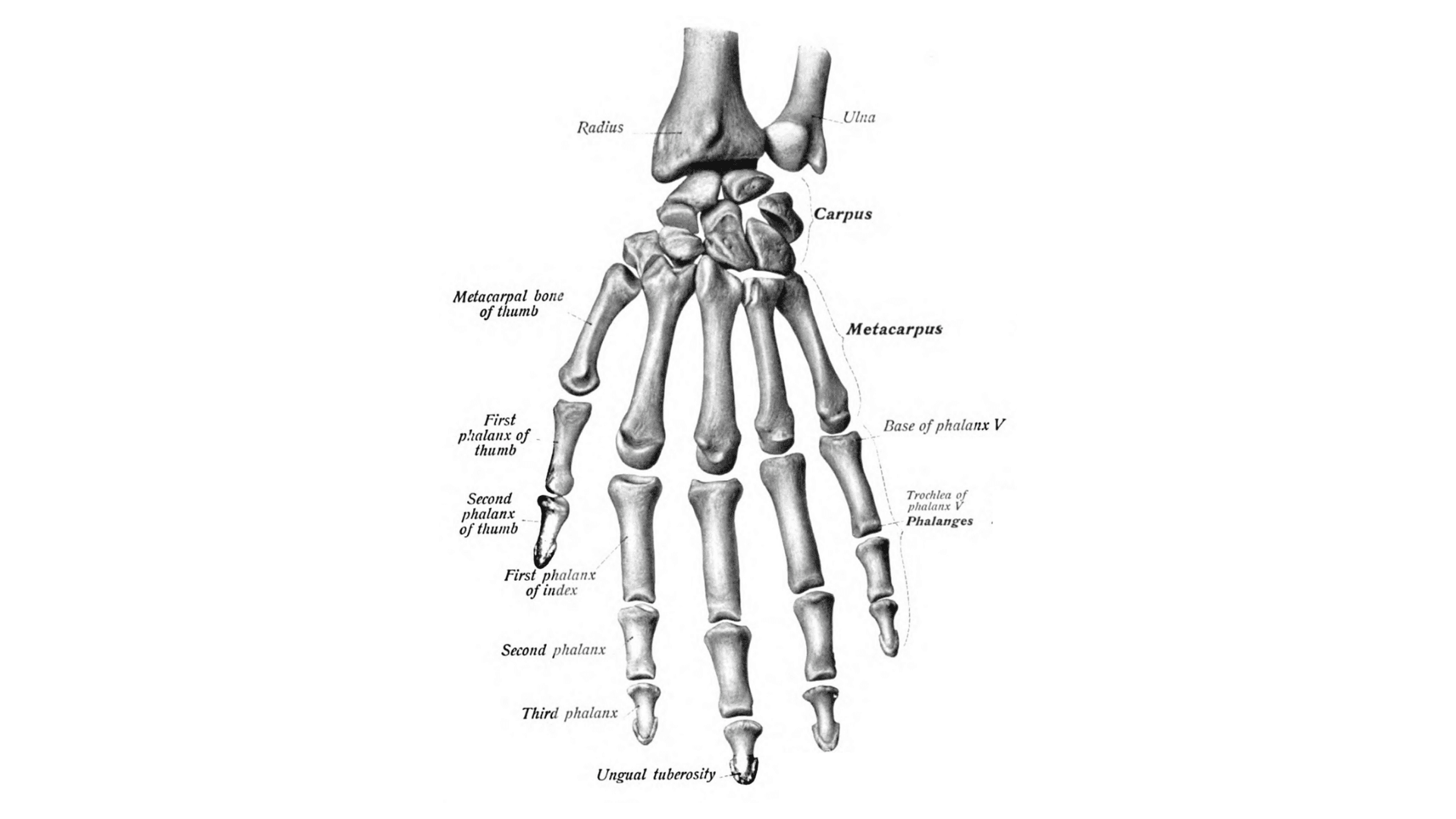
The ulnar collateral ligament (UCL) is a strong band of tissue located on the inside of the thumb at the first metacarpophalangeal (MCP) joint, where the thumb meets the hand. This ligament plays a vital role in:
- Stabilizing the thumb
- Supporting grip strength
- Enabling pinching and grasping movements
- Preventing excessive sideways movement
When this ligament is stretched, partially torn, or completely ruptured, it leads to a thumb UCL injury.
What Causes a Thumb UCL Injury?
Thumb UCL injuries usually occur when the thumb is forced away from the hand in an abnormal direction. This sudden stress damages the ligament.
Common Causes Include:
- Sports injuries (skiing, football, basketball, rugby)
- Falls onto an outstretched hand
- Direct impact on the thumb
- Repetitive strain
- Work-related accidents
Skier’s Thumb happens when someone falls while holding a ski pole and the pole forces the thumb to bend outward suddenly. This stretches or tears a ligament in the thumb.
Gamekeeper’s Thumb is the same ligament injury, but it develops slowly over time from repeated stress and overuse rather than a single accident.
Signs and Symptoms of Thumb UCL Injury
The following are the common signs and symptoms of the thumb UCL injury.
Common Symptoms:
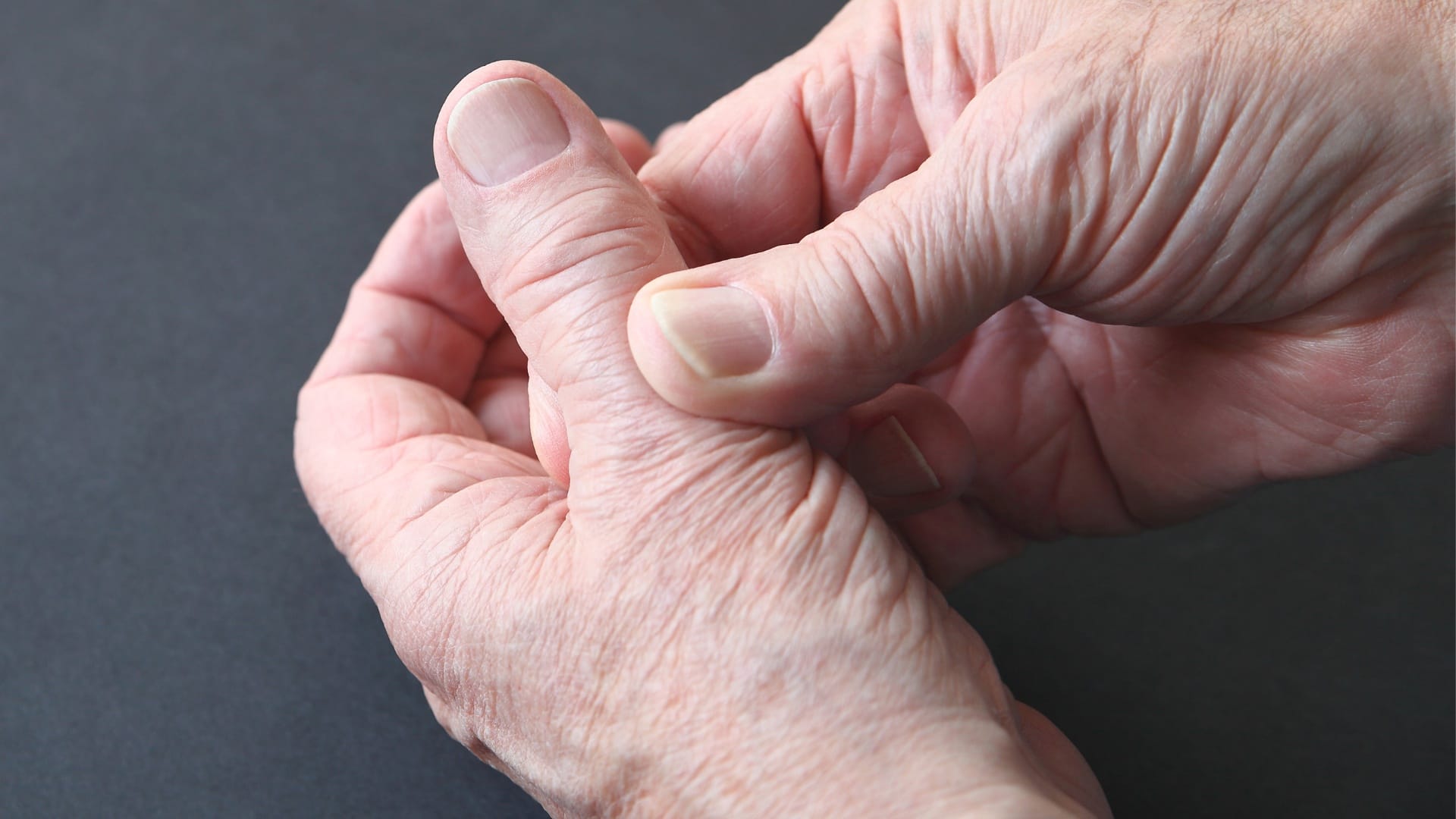
- Pain at the base of the thumb
- Swelling and bruising
- Weak grip strength
- Difficulty pinching or grasping objects
- Instability in the thumb joint
- Tenderness on the inner side of the thumb
- Reduced range of motion
In severe cases, you may feel that your thumb is “loose” or unable to support pressure.
Types of Thumb UCL Injuries
Thumb UCL injuries are classified based on severity:
1. Grade I (Mild Sprain)
- The ligament is stretched
- No tear
- Mild pain and swelling
2. Grade II (Partial Tear)
- The ligament is partially torn
- Moderate pain and weakness
- Some joint instability
3. Grade III (Complete Tear)
- The ligament is fully ruptured
- Severe pain
- Significant instability
- Often requires surgery
A special condition called a Stener lesion may occur in complete tears, where the torn ligament is displaced and cannot heal properly without surgery.
Treatment Options for Thumb UCL Injury
Treatment of UCL injury depends on the severity of the injury.
Non-Surgical Treatment (Conservative Management):
The conservative management includes:
ANF Therapy®:
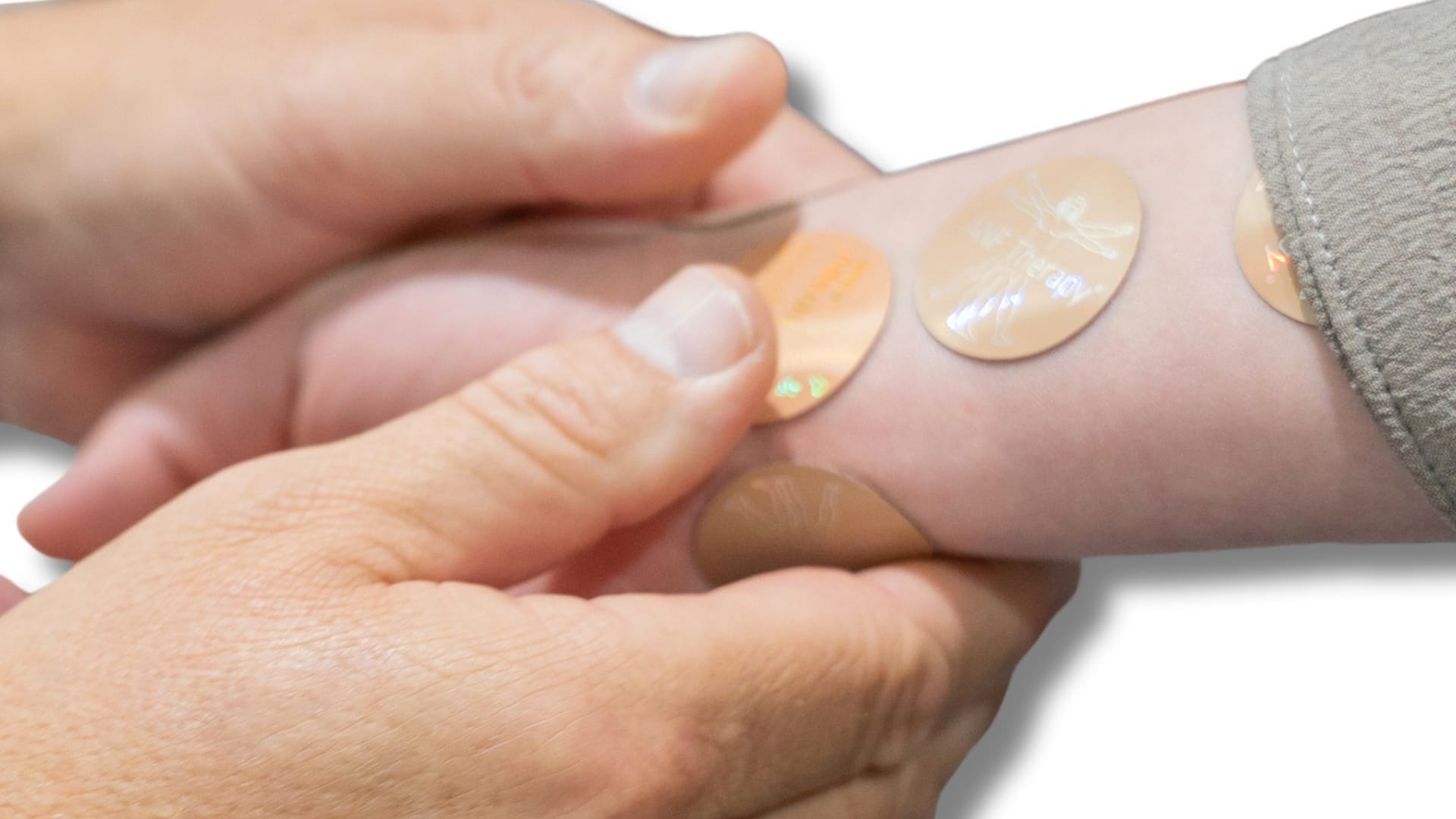
ANF Therapy® is an advanced, frequency-based approach that supports your body’s natural healing process and helps with a wide range of musculoskeletal injuries. This therapy utilises small ANF Devices that are applied to the affected areas of your body. ANF Therapy® does not focus solely on symptoms. It targets the root cause of a problem to support healing at the cellular level and improve communication between the nervous system and the body.
Other conservative methods include:
- Immobilization with a thumb spica splint or cast (4–6 weeks)
- Rest and activity modification
- Ice therapy
- Anti-inflammatory medications
- Physical therapy
- Hand exercises
Most Grade I and II injuries heal well with conservative treatment. ANF Therapy® can also be used as a complementary therapy along with these conservative treatments.
Recovery and Rehabilitation
Proper rehabilitation is essential for restoring function.
Recovery Timeline:
- Immobilization: 4-6 weeks
- Physical therapy: 6-12 weeks
- Return to sports: 3-4 months (depending on severity)
ANF Therapy® supports your body’s natural healing process and aims to reduce recovery time.
Rehabilitation Goals:
- Restore strength
- Improve flexibility
- Enhance grip stability
- Prevent stiffness
- Regain full function
Hand therapy, along with ANF Therapy®, plays a major role in successful recovery.
Possible Complications
Thumb UCL injuries may lead to long-term problems without proper treatment.
Potential Complications:
- Chronic pain
- Joint instability
- Reduced grip strength
- Early arthritis
- Permanent deformity
- Functional limitations
Early diagnosis and appropriate management help prevent these complications.
Prevention of Thumb UCL Injuries
While not all injuries can be avoided, you can reduce risk with simple measures.
Prevention Tips:
- Use protective gear during sports
- Learn proper falling techniques
- Strengthen hand muscles
- Warm up before activities
- Avoid repetitive overuse
- Maintain good hand posture
Athletes should use thumb braces when returning to high-risk sports.
When Should You See an ANF Practitioner?
You should consult an ANF Practitioner if you experience any of the following signs and symptoms:
- Persistent thumb pain
- Swelling lasting more than a few days
- Difficulty gripping objects
- Thumb instability
- Severe injury after a fall
Most people fully recover from a thumb UCL injury with proper treatment and rehabilitation. Many athletes return to competitive sports, and individuals resume normal daily activities without limitations.
Following your doctor’s advice, completing ANF Therapy®, and avoiding premature return to activity are essential for long-term success.
Conclusion
A thumb Ulnar Collateral Ligament (UCL) injury can significantly affect hand strength, stability, and daily function if not treated properly. Early diagnosis, appropriate treatment, and structured rehabilitation are essential for achieving a full recovery and preventing long-term complications. While mild to moderate injuries often respond well to conservative care, severe cases may require surgical intervention.
ANF Therapy® can be used as a supportive and chemical-free approach alongside conventional treatments to help manage pain, reduce swelling, and promote natural healing. If you are experiencing symptoms of ulnar collateral ligament injury, consult an ANF Practitioner or find an ANF Therapist at https://www.anftherapy.com/find-clinic/ to discuss how ANF Therapy® can be helpful.
If you’re a healthcare practitioner and want to enhance your clinical skills with frequency medicine, learn more about the ANF Therapy® and ANF Clinical education program by visiting www.anfacademy.com.