The femoral nerve is a major nerve in the thigh that plays a crucial role in sensation and movement. It originates in the lower spine (lumbar region) and travels down the front of the thigh, providing motor signals to muscles like the quadriceps and sensory information from the front and inner thigh and part of the lower leg. When this nerve is compressed, irritated, or injured, it can cause femoral nerve pain, which can range from mild discomfort to significant functional limitations.
ANF Therapy® is an advanced approach that supports the body’s natural healing processes to help manage femoral nerve pain. In this blog, we will discuss femoral nerve pain, its causes, symptoms, and how ANF Therapy® can help with it.
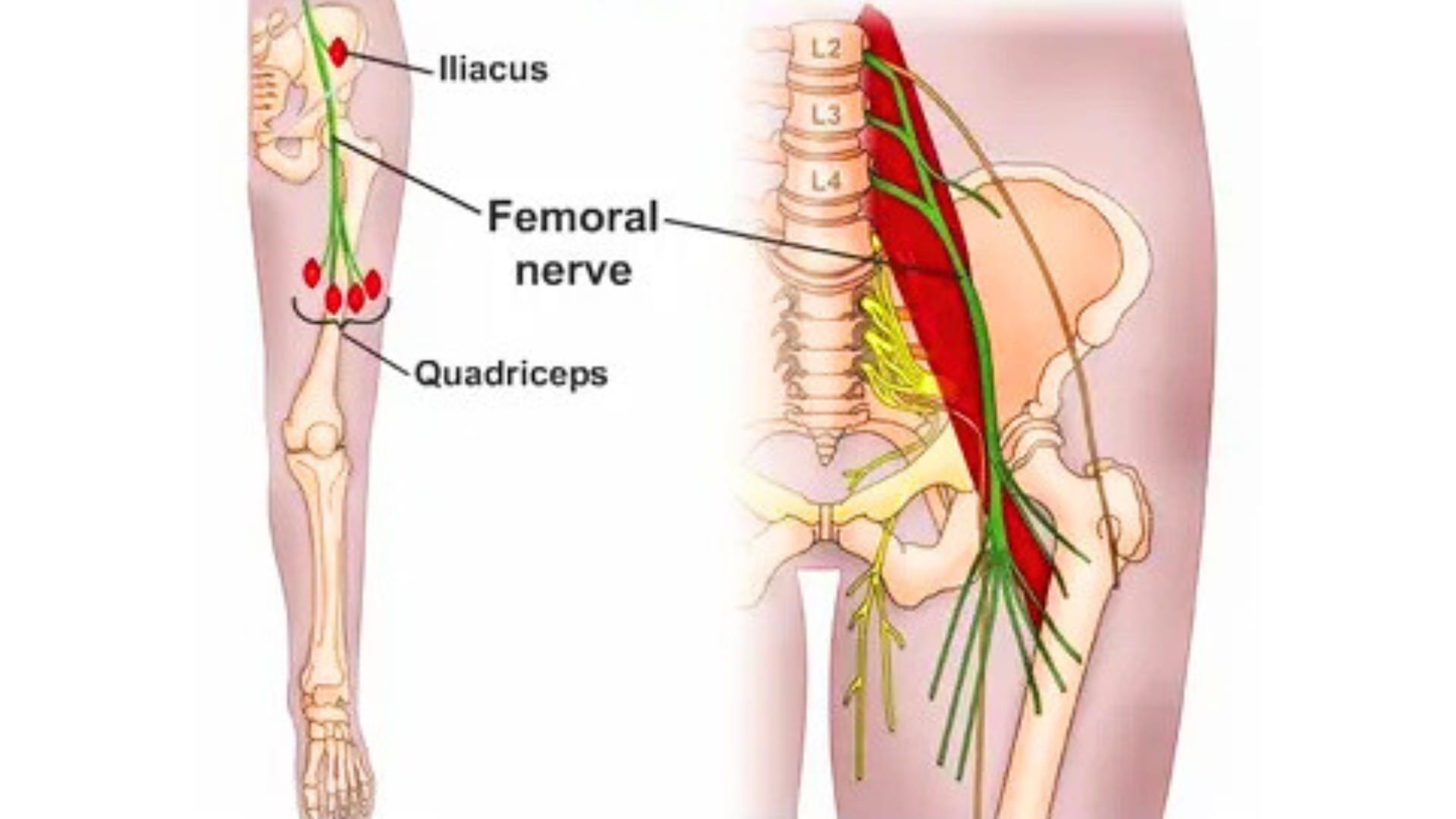
Causes of femoral nerve pain
Femoral nerve pain is often caused by compression or irritation of the nerve along its pathway. Some common causes include:
- Spinal issues: Herniated discs or lumbar spinal stenosis can compress the nerve roots that supply the femoral nerve.
- Trauma or injury: Direct injuries from accidents, surgery, or prolonged pressure can affect the nerve.
- Medical conditions: Diabetes can sometimes lead to peripheral neuropathy affecting the femoral nerve.
- Tumors or cysts: Rarely, growths near the nerve pathway may exert pressure and cause neuropathy.
- Prolonged positioning: Extended periods of kneeling, hip flexion, or pressure from tight clothing can irritate the nerve.
Symptoms of Femoral Nerve Pain
Symptoms vary depending on the location and severity of nerve involvement. Common presentations include:
- Pain: Aching or sharp pain in the front of the thigh, hip, or groin.
- Numbness or tingling: Sensory changes along the front or inner thigh.
- Muscle weakness: Difficulty straightening the knee or extending the leg.
- Reflex changes: Reduced knee-jerk reflex in some cases.
These symptoms can occur gradually or suddenly and may worsen with certain activities such as walking, climbing stairs, or prolonged sitting.

How to manage femoral nerve pain?
Treatment for femoral nerve pain is generally multifaceted.
1. Conservative Measures
- Rest and activity modification: Avoid movements or positions that exacerbate pain. Temporary reduction of strenuous activities can help relieve pressure on the nerve.
- Physical therapy: A structured program can improve posture, flexibility, and strength, particularly in the lower back, hips, and quadriceps, which support the nerves. Stretching and nerve-gliding exercises may also be recommended.
- Ice or heat therapy: Ice can reduce acute inflammation, while heat may relax tight muscles contributing to nerve irritation.
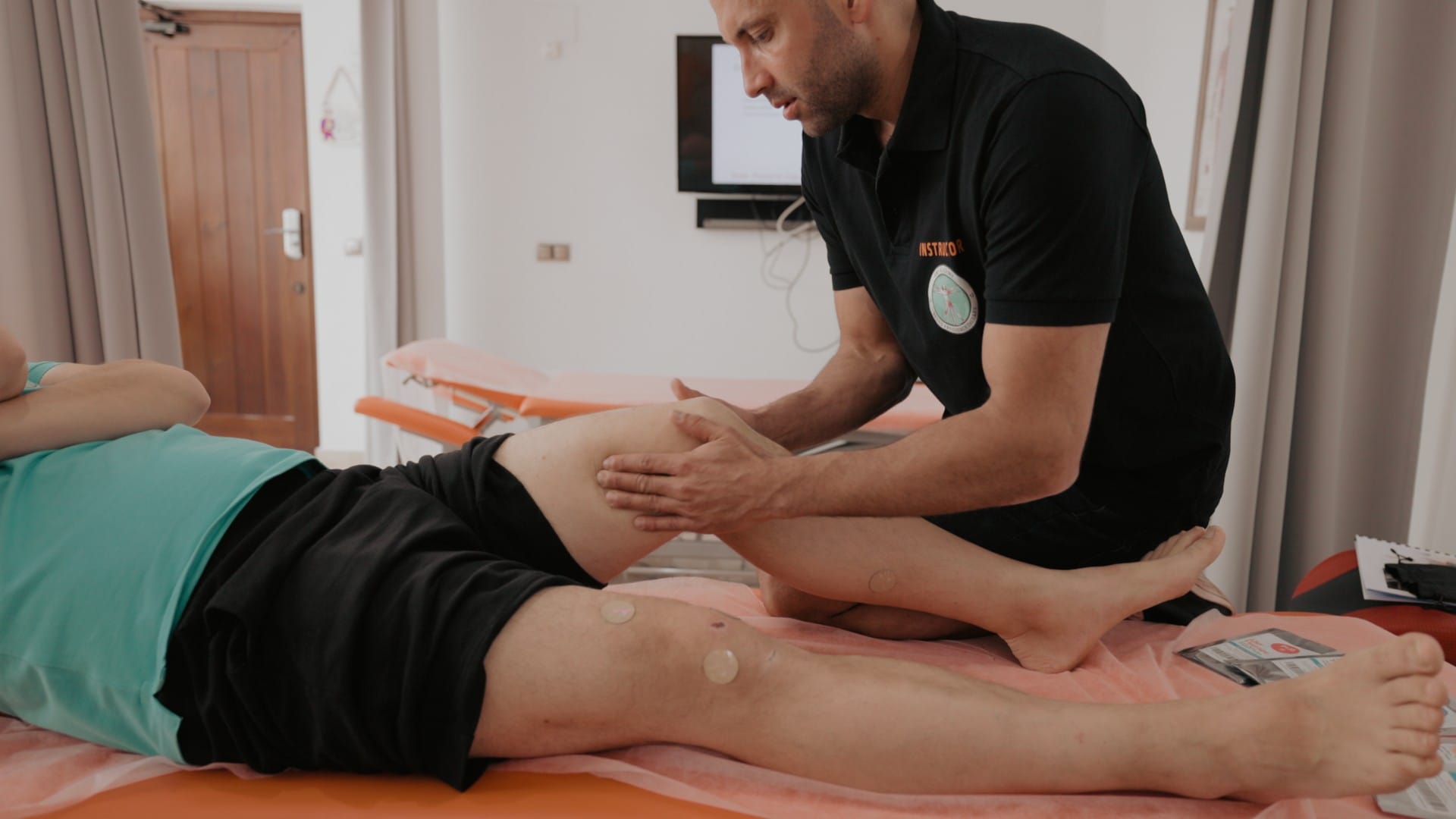
2. Targeted Therapies
- ANF Therapy®: This therapy works on the principles of frequency medicine to support your body’s own healing processes. Combining ANF Therapy® with other treatments may also help relieve femoral nerve pain.
- Postural and ergonomic adjustments: Proper seating, lower back support, and avoiding prolonged hip flexion can reduce ongoing nerve stress.
3. Addressing Underlying Causes
- Spinal interventions: Herniated discs or spinal stenosis may require targeted therapies such as physical therapy, traction, or, in some cases, surgery.
- Metabolic conditions: Managing diabetes or other systemic conditions that affect nerve health is important for long-term outcomes.
- Surgical intervention: Rarely, when conservative measures fail and severe nerve compression is present, surgical decompression may be considered.

4. Lifestyle Considerations
- Regular low-impact exercise: Walking, swimming, or cycling can improve circulation and reduce pressure on the nerve.
- Weight management: Reducing stress on the lower back and pelvis can decrease nerve irritation.
- Ergonomics: Proper seating, lumbar support, and safe lifting techniques can prevent exacerbation of nerve symptoms.
- Consistent stretching and strengthening: Maintaining flexibility in the hip flexors, quadriceps, and lower back helps reduce tension on the femoral nerve.
5. Complementary Approaches
Some people explore complementary therapies under guidance, including:
- Acupuncture: May be used for symptom relief in some individuals.
- Manual therapy or massage: Aimed at reducing tension in muscles surrounding the nerve pathway.
- Emerging therapies: Certain frequency-based approaches are used in clinical practice as adjuncts to conventional care to manage femoranerve pain.
It’s important to discuss any complementary approach with a healthcare professional to ensure safety and integration with standard care.
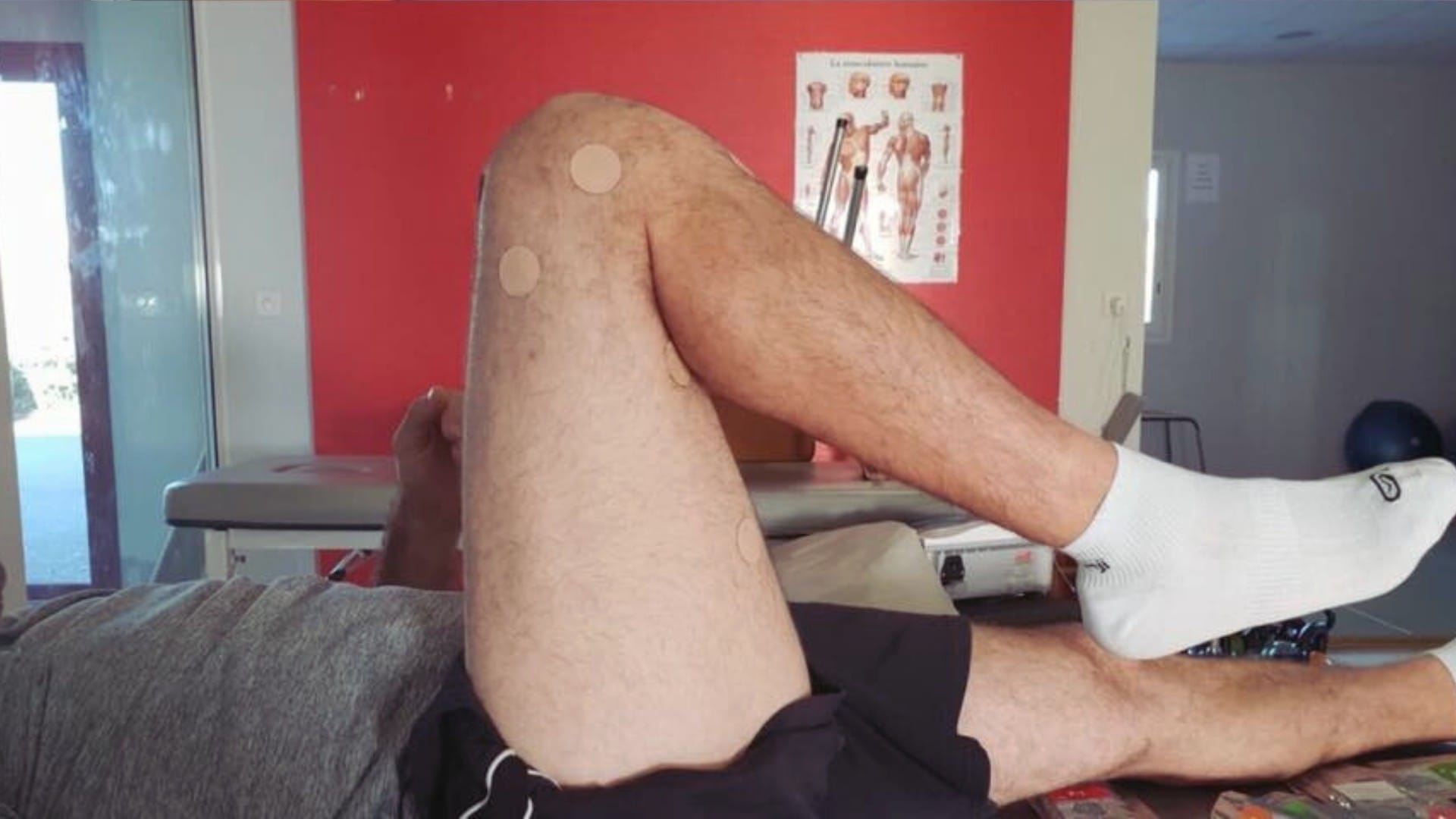
How Does ANF Therapy® Help Manage Femoral Nerve Pain?
ANF Therapy® is a frequency-based, non-invasive approach that supports communication between the nervous system and the body. Femoral nerve pain may involve irritation, altered nerve signaling, muscular tension, and local inflammation affecting the hip, groin, or front of the thigh. ANF Therapy® uses small ANF Devices that are applied to specific areas of the body by a qualified ANF Practitioner. ANF Therapy® is designed to support the body’s natural healing process.
ANF Therapy® is often integrated into a broader care plan that may include movement modification, physiotherapy, postural correction, and rehabilitation strategies. It does not claim to diagnose, treat, or cure femoral nerve conditions but is used as a complementary modality within an individualized care approach.
Outcomes
ANF Therapy® is a drug-free modality that has been evaluated in real-world clinical settings. In a study involving 1,054 patients from 45 countries, the average reported pain scores decreased from 7.6 to 3.1 out of 10 after using ANF Therapy®. The most commonly supported areas included the lower back, knees, neck, and shoulders. Participants also reported reduced swelling and improved mobility. Satisfaction scores averaged 92 out of 100. Mild and short-term effects such as dry mouth, headache, and fatigue were reported by 42% of participants. These findings are encouraging, though they should be interpreted with appropriate clinical consideration.
Start Your Journey With ANF Therapy®
ANF Therapy® is used by individuals seeking a supportive and non-invasive approach for various musculoskeletal and nerve-related discomforts, including femoral nerve pain. If you are experiencing hip or groin pain, weakness, or tightness along the front of the thigh, consider consulting a qualified ANF Practitioner to determine whether ANF Therapy® may complement your current care plan.
To find an ANF Therapist, visit: www.anftherapy.com/find-clinic/.
If you are a healthcare professional interested in learning more about ANF Therapy®, you can explore the ANF Clinical Education Program at www.anfacademy.com.

When to Seek Medical Attention
Immediate medical evaluation is required if femoral nerve pain is accompanied by:
- Sudden or severe weakness in the leg
- Loss of bladder or bowel control
- Rapidly worsening pain
- Signs of infection (fever, redness, swelling)
Early intervention can prevent further nerve damage and improve recovery outcomes.
Recovery Outlook
The prognosis for femoral nerve pain varies with cause and severity:
- Mild cases caused by temporary compression or irritation often improve with conservative measures in combination with ANF Therapy® over weeks to months.
- Chronic or severe cases related to structural issues may require longer-term rehabilitation or surgical intervention along with ANF Therapy®.
- Early diagnosis and management generally improve outcomes and help prevent recurrence.
Conclusion:
Femoral nerve pain can affect mobility and daily life, but early recognition and a proactive approach can make a significant difference. Combining conservative measures, physical therapy, lifestyle adjustments, and targeted interventions helps manage symptoms and support nerve health.
ANF Therapy® provides a non-invasive, chemical-free option that works alongside conventional strategies to support the body’s natural healing process. Patients can reduce pain, improve function, and regain confidence in their daily activities with early intervention, consistent rehabilitation, and guidance from healthcare or ANF-trained practitioners.