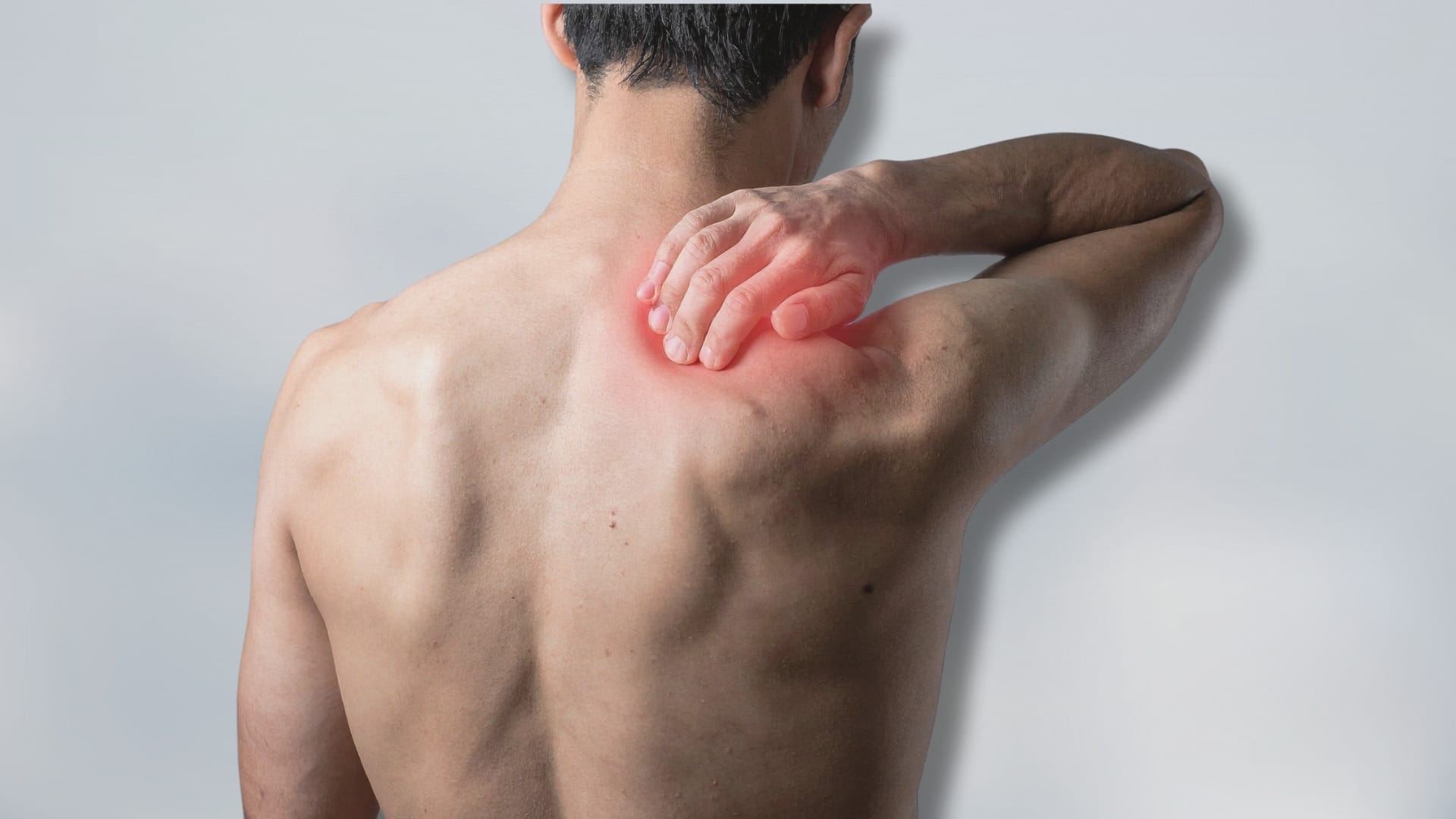
If you are experiencing pain on the inside of your knee while walking that is also limiting your joint mobility, it may be due to injury to your medial collateral ligament (MCL). Whether you are an athlete, an active individual, or someone who experiences knee pain during daily activities, understanding MCL pain is the first step toward effective recovery.
ANF Therapy® is an advanced approach that provides a supportive role in the management of medial collateral ligament (MCL) sprain of the knee joints. In this blog, we will discuss what an MCL sprain is, why it happens, and how you can recover from it with ANF Therapy®.
What is the medial collateral ligament?
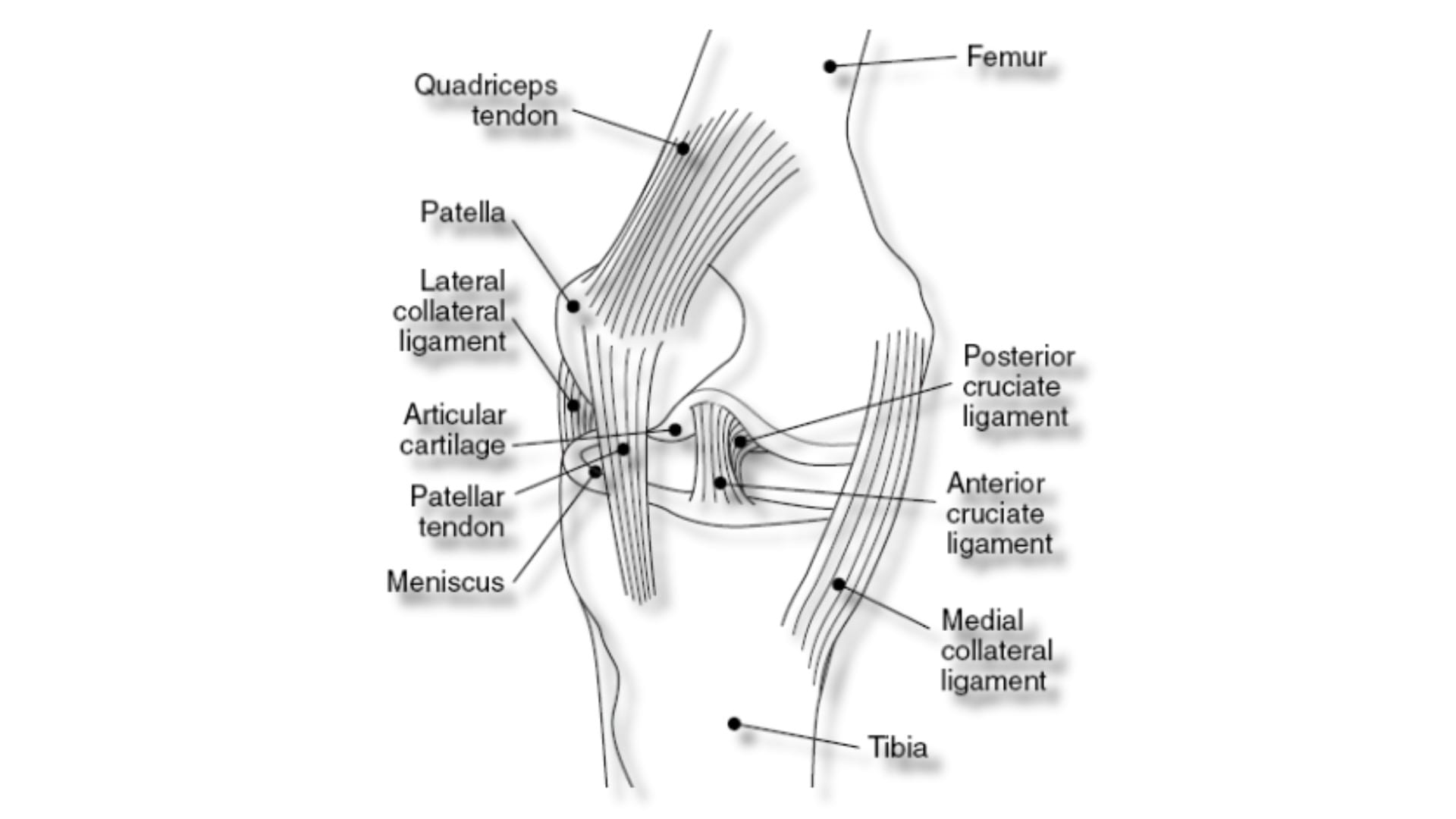
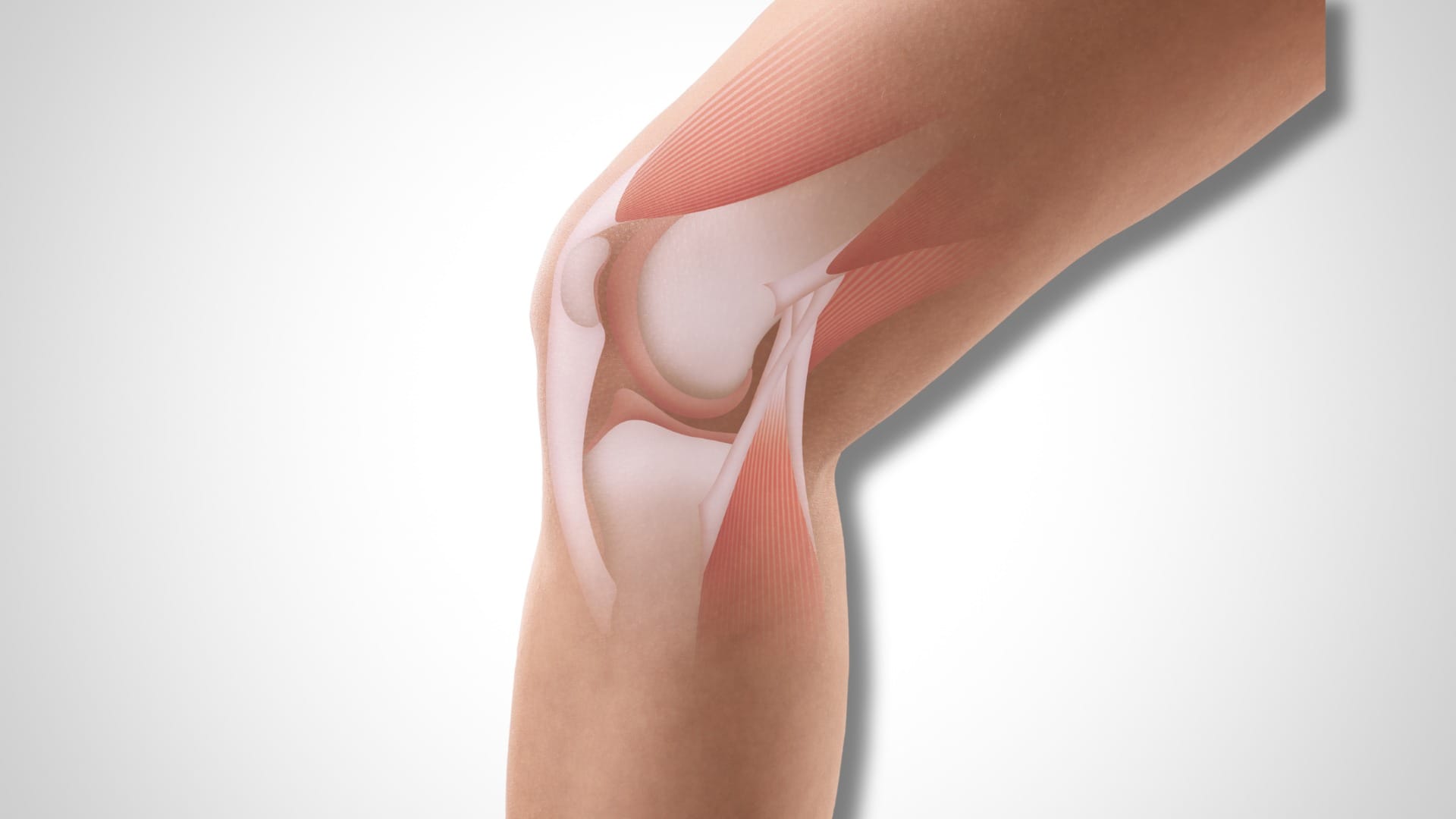
The medial collateral ligament is a strong band of tissue that is located on the inner side of your knee. It connects the thigh bone (femur) to the shin bone (tibia) and plays a crucial role in stabilizing the knee. The main function of the medial collateral ligament is as follows:
- Prevent the knee from bending inward
- Provide stability during walking, running, and turning
- Support balance and weight-bearing movements
The medial collateral ligament is involved in almost every step you take; therefore, even mild irritation can cause pain while walking.
Why Does the MCL Hurt While Walking?
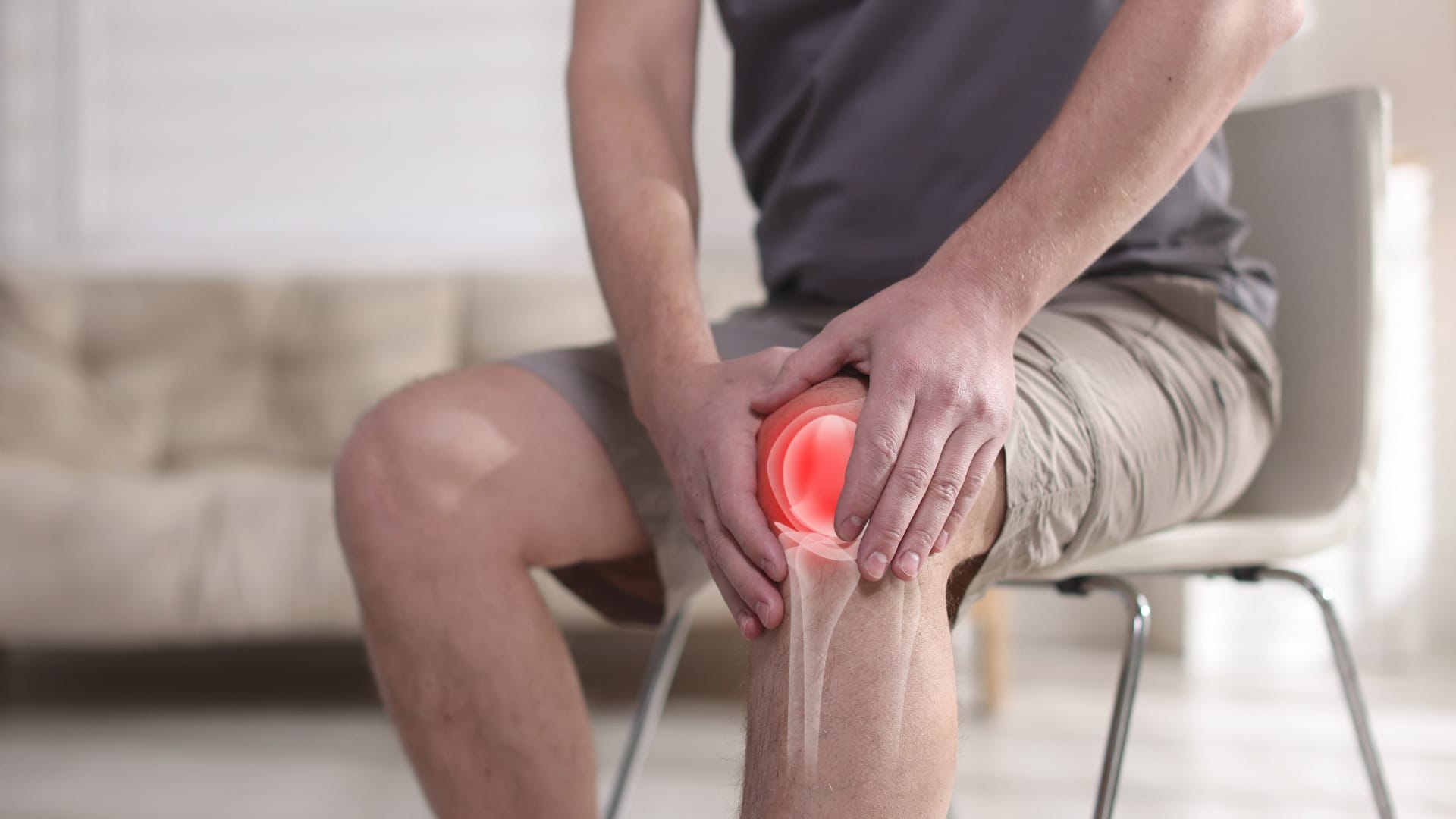
Pain in the MCL during walking usually occurs when the ligament is stressed, overstretched, or damaged. Several factors can contribute to this condition.
1. Ligament Sprain or Tear
The most common cause is an MCL sprain, which occurs when the ligament is stretched beyond its normal range. This may happen due to:
- A direct blow to the outer knee
- Sudden twisting movements
- Falling awkwardly
- Sports-related collisions
Sprains are classified into three grades:
Grade 1 (Mild Injury):
This involves slight stretching of the ligament. In this injury, the pain is usually mild, with little or no swelling. The knee remains stable, and most people can still walk with minor discomfort.
Grade 2 (Moderate Injury):
This is a partial tear of the ligament. It causes moderate pain, swelling, and tenderness. The knee may feel weak or unstable, especially during movement,t and walking can be difficult.
Grade 3 (Severe Injury):
This is a complete tear of the ligament. It results in severe pain at first, followed by significant swelling and looseness in the knee. The joint becomes unstable, making it hard or impossible to bear weight or walk normally without support.
2. Overuse and Repetitive Stress
Not all MCL pain comes from sudden injuries. Repetitive movements can slowly irritate the ligament. Activities such as:
- Long-distance walking or running
- Hiking on uneven terrain
- Repeated squatting or bending
- Poor walking posture
3. Poor Biomechanics
Your movement also affects your joints. Abnormal movement patterns can place more stress on the inner knee. These include:
- Flat feet or high arches
- Knock knees (knees angled inward)
- Weak hip muscles
- Improper footwear
These issues may cause uneven weight distribution, increasing pressure on the MCL during walking, resulting in an MCL sprain.

4. Previous Knee Injuries
If you have had a knee injury in the past, the ligament may be weaker or less flexible. Moreover, scar tissue, muscle imbalances, or incomplete rehabilitation can make the MCL more vulnerable to reinjury.
5. Arthritis and Joint Degeneration
Osteoarthritis is also linked to joint degeneration, in which the cartilage gradually wears down over time and makes the joint more vulnerable to injury and sprains.
Common Symptoms of MCL Pain
The signs and symptoms of MCL sprain vary according to the severity. However, the most common symptoms include followings:
- Pain on the inner side of the knee
- Tenderness while touching the area
- Joint stiffness, especially in the morning
- Swelling around the knee
- Pain that worsens with walking or climbing stairs
- A feeling of instability or “giving way.”
How can an ANF Therapist diagnose MCL Pain?
If knee pain persists for more than a few days or worsens over time, consult an ANF therapist. They will diagnose the condition through physical examination and palpation techniques.
How does ANF Therapy® help manage MCL sprain?
ANF Therapy® is an advanced approach that plays a supportive role in managing various musculoskeletal injuries. This therapy uses small devices that are applied to the affected area of the body to help support the body’s natural healing process. It is completely non-invasive and drug-free.
Outcomes:
ANF Therapy® is a non-invasive, drug-free approach that uses small carbonised metal devices applied to the skin to help manage pain. In a study of 1,054 patients from 45 countries, average pain scores dropped from 7.6 to 3.1 out of 10. The most common areas treated were the lower back, knees, neck, and shoulders. Patients also experienced less swelling and better movement. Satisfaction levels were high (92/100), while mild, short-term side effects such as dry mouth, headache, and fatigue were reported by 42% of participants. The findings are encouraging but should be viewed with caution.
Start your journey with ANF Therapy®:
ANF Therapy® is a new approach that supports the treatment of a wide range of musculoskeletal pain issues, including MCL sprains. If you are experiencing weakness or pain on the inside of your knee, or pain while walking, and want a natural and effective solution, consult an ANF Practitioner or find an ANF Therapist at https://www.anftherapy.com/find-clinic/ to start your treatment with ANF Therapy® today! It provides a drug-free approach to addressing not only symptoms but also the root cause of the disease. It is the only holistic treatment option that aims to provide efficient and long-lasting results.
If you’re a healthcare practitioner and want to enhance your clinical skills with frequency medicine, learn more about the ANF Therapy® and ANF Clinical education program by visiting www.anfacademy.com.
ANF Therapy® can also be used as a complementary treatment alongside other therapies. These may include the following.
Other Treatment Options for MCL Pain
Most MCL injuries heal well with conservative care. Surgery is rarely needed unless the tear is severe.
1. Rest and Activity Modification
It is important to reduce the activities that put strain on your MCL ligament and avoid running, jumping, or excessive walking until pain decreases.
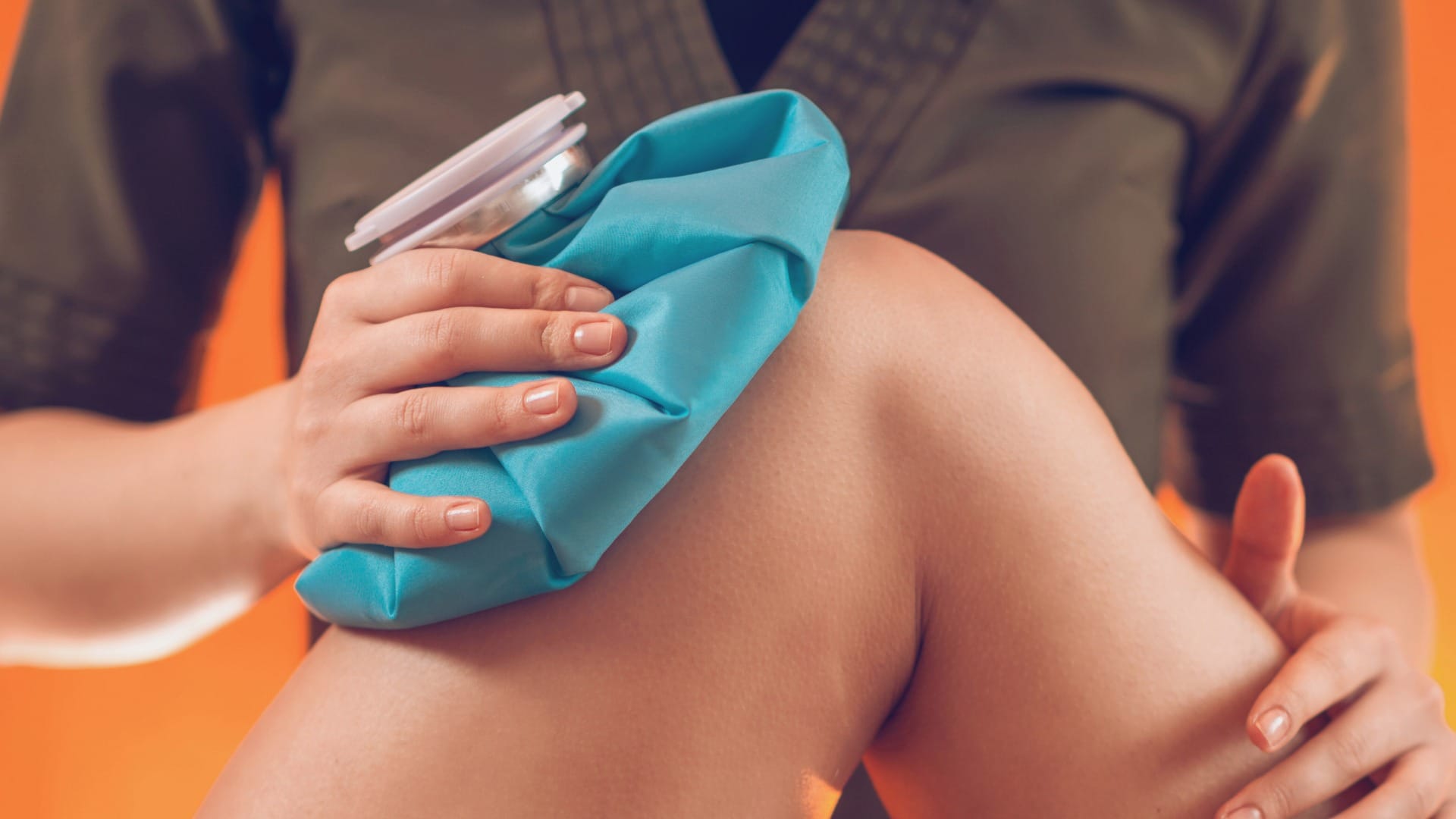
2. Ice Therapy
Ice has anti-inflammatory properties. Therefore, applying ice for 15–20 minutes for 2–3 times a day can help reduce swelling and inflammation.
3. Compression and Elevation
Compression and elevation can help reduce swelling. Therefore, using an elastic knee bandage and elevating the leg can control swelling and improve comfort.
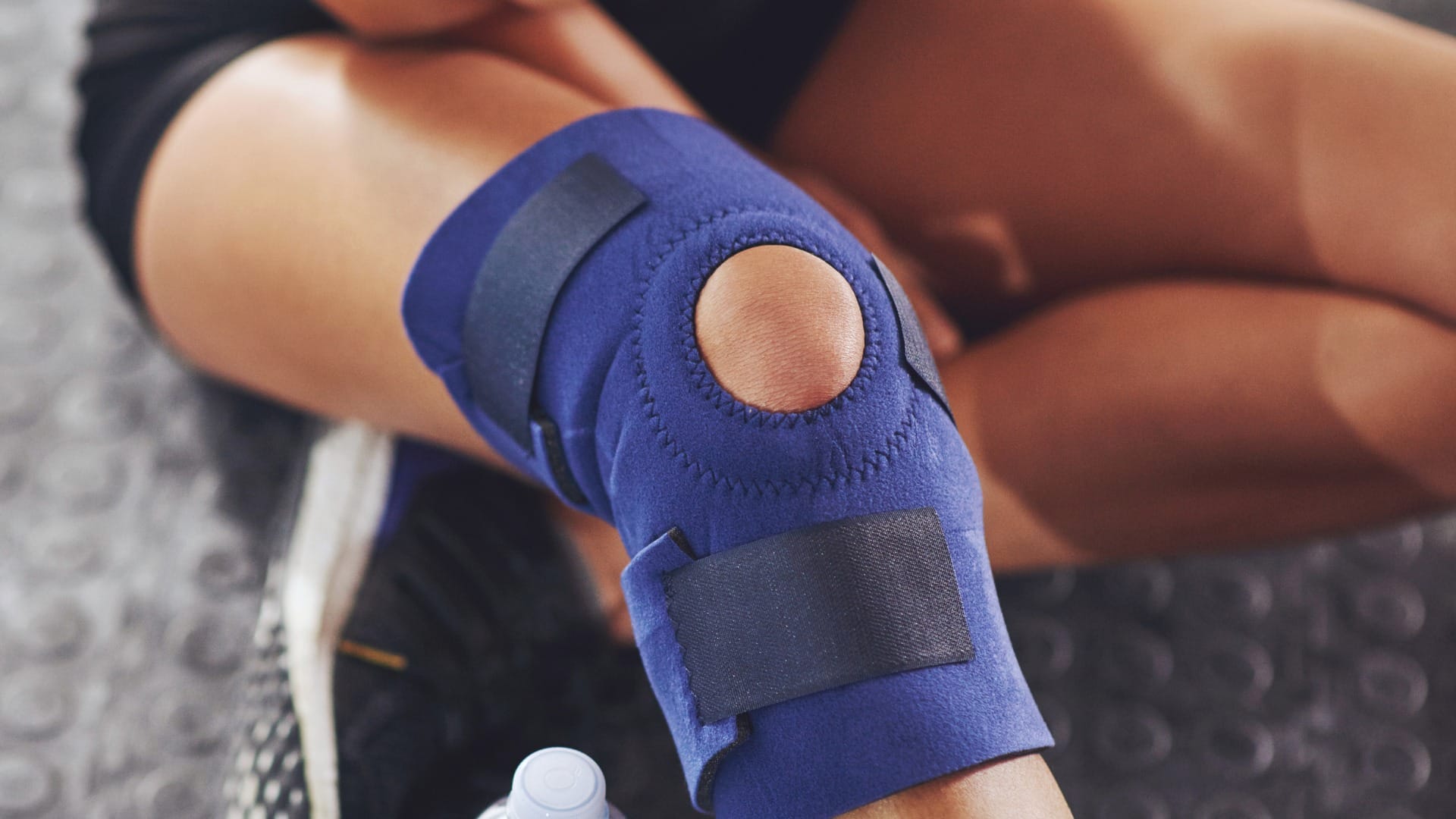
4. Knee Bracing
A hinged or supportive knee brace may be recommended to stabilize the joint during healing.
5. Physical Therapy
Rehabilitation is one of the most important parts of recovery. An ANF therapist can guide you through exercises to:
- Strengthen thigh and hip muscles
- Improve flexibility
- Restore balance
- Correct movement patterns
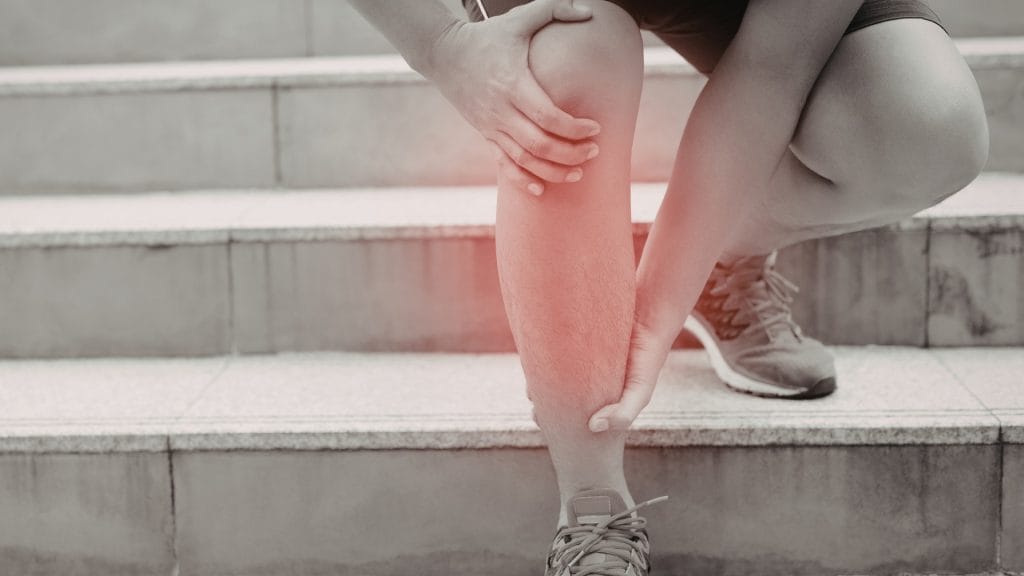
Exercises for MCL Recovery
Once pain and inflammation are reduced, gentle exercises can help restore function. Some commonly recommended exercises include:
- Quadriceps sets: Tightening thigh muscles
- Straight leg raises: Strengthening leg muscles
- Hamstring stretches: Improving flexibility
- Hip strengthening exercises: Supporting knee alignment

How to prevent future MCL Pain?
Prevention is always better than treatment. You can reduce your risk by following these tips:
- Strengthen supporting muscles, such as hamstring core muscles
- Warm up before doing any physical activity
- Wear proper footwear
- Maintain a healthy body weight
- Improve balance and coordination
- Avoid a sudden increase in activity
Conclusion:
MCL pain while walking can limit mobility and affect daily life. Most injuries heal well with rest, physical therapy, and supportive treatments like ANF Therapy®. Strengthening muscles, using proper footwear, and gradual activity can prevent future problems. Early care and consistent rehab help restore knee strength and stability for a safe return to normal activities.