Can a Hamstring Injury Cause Bruising?
A Complete Guide
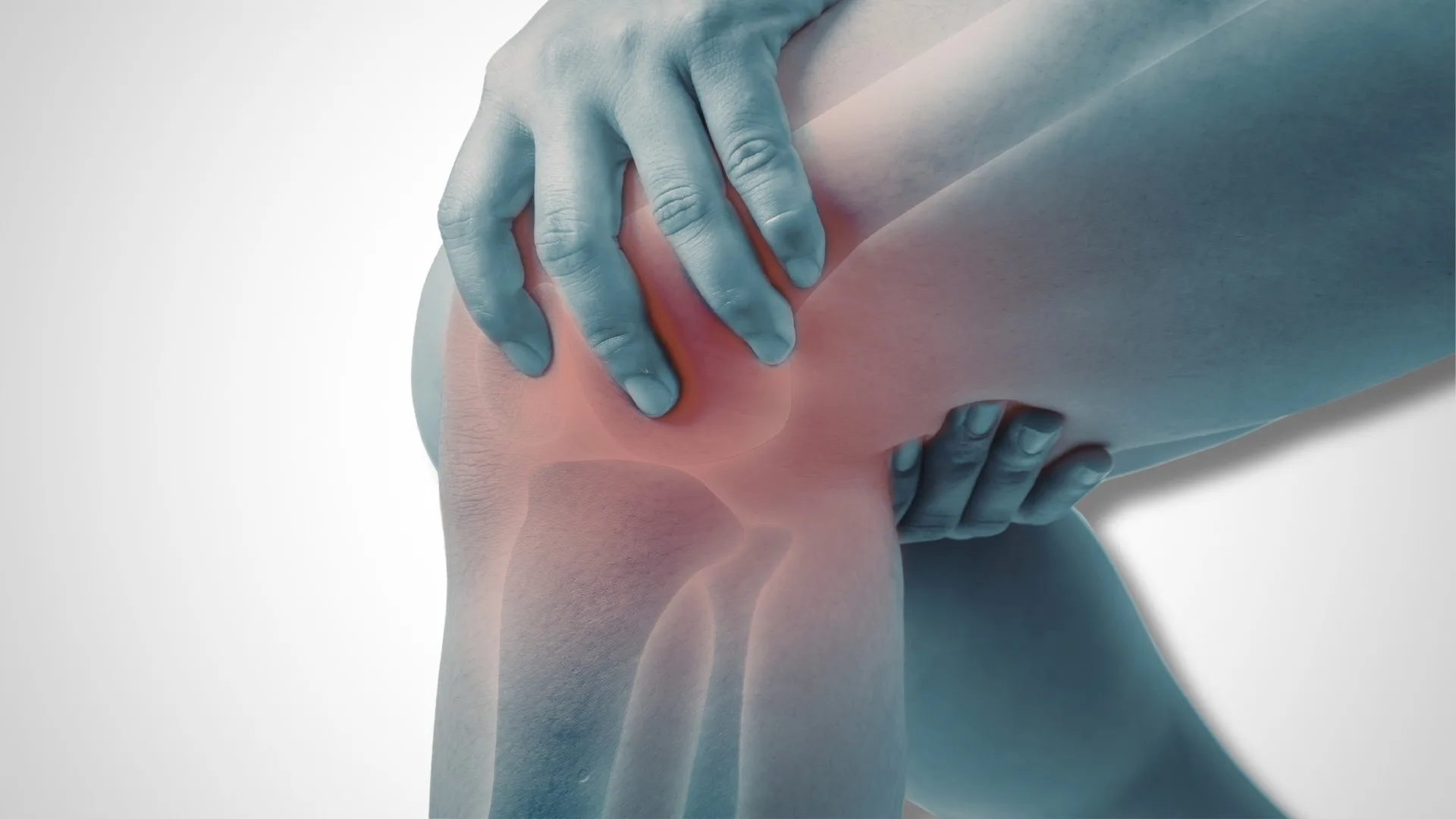
Hamstring injuries are among the most common muscle injuries, particularly in athletes and physically active individuals. If you have ever strained a muscle at the back of your thigh and noticed discoloration appearing a day or two later, you may have wondered whether a hamstring injury can cause bruising. The short answer is yes. However, the amount of bruising often depends on the severity of the injury.
ANF Therapy® is an advanced frequency-based approach that can be used as a complementary option alongside other treatment approaches to help manage musculoskeletal issues. In this blog, we will explore why bruising occurs, what it indicates about the injury, how different grades of hamstring injuries are recognized, and how ANF Therapy® can help.
Understanding the Hamstring Muscles
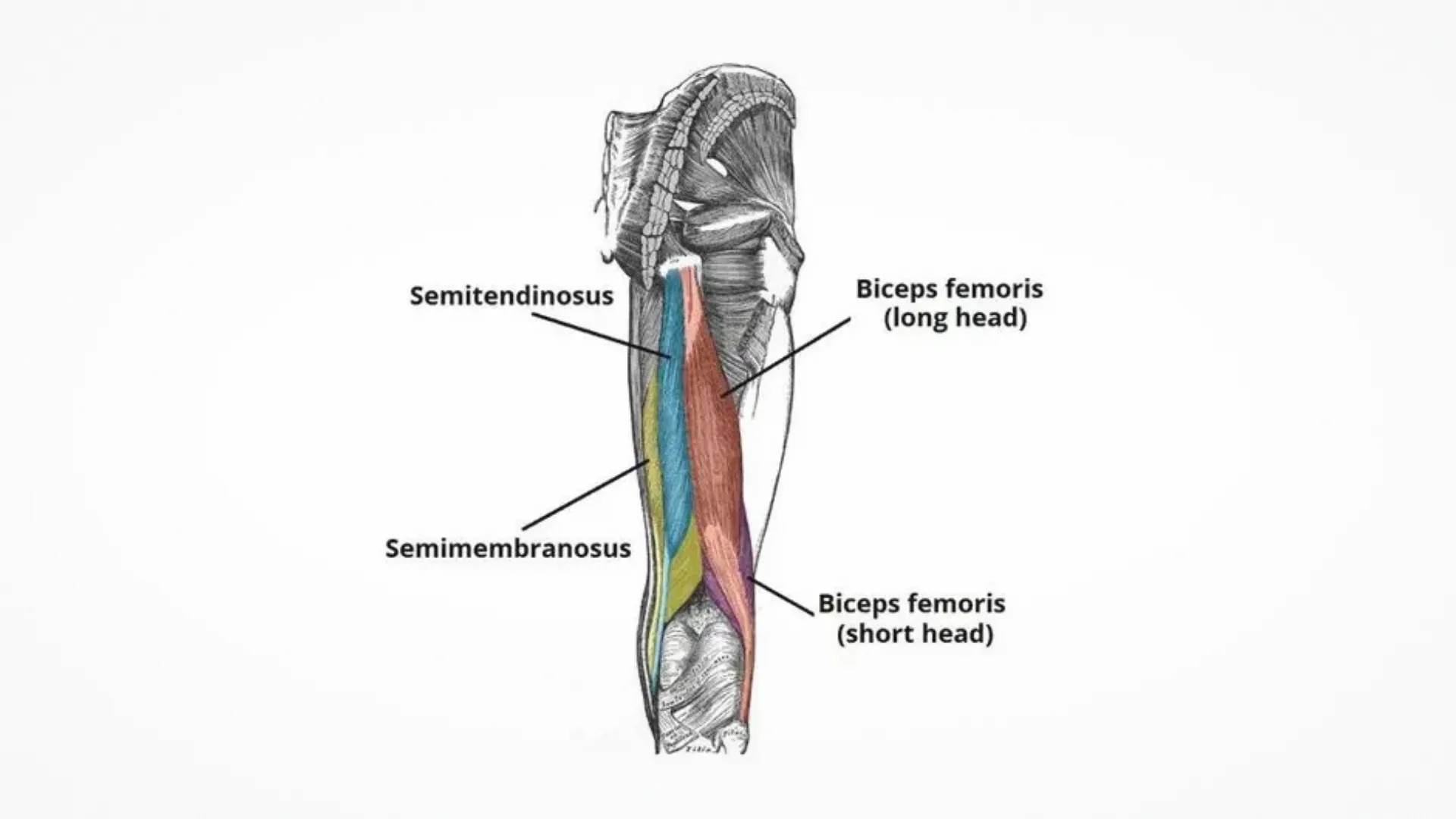
The hamstrings are a group of three muscles located at the back of the thigh: the biceps femoris, semitendinosus, and semimembranosus. These muscles extend from the pelvis, specifically the ischial tuberosity, down to the bones of the lower leg.
The hamstrings play an essential role in several movements. They bend the knee, extend the hip, and support activities such as walking, running, jumping, and sprinting. Due to their heavy involvement in explosive movements and high-intensity activities, these muscles are particularly vulnerable to strains and tears.

What Is a Hamstring Injury?
A hamstring injury usually refers to a muscle strain. A strain occurs when the muscle fibers become overstretched or torn. This type of injury commonly happens during sudden acceleration, such as sprinting, or during rapid changes in direction. Overstretching the muscle, exercising with fatigued muscles, or starting activity without proper warm-up can also lead to hamstring injuries.
Hamstring injuries are generally classified into three grades based on severity.
Grade 1 (Mild Strain)
A Grade 1 injury is considered a mild strain. It involves microscopic tearing of muscle fibers and usually causes mild discomfort. Swelling is minimal, and visible bruising is uncommon.
Grade 2 (Moderate Strain)
A Grade 2 injury represents a moderate strain. In this case, a partial tear occurs in the muscle fibers. Individuals typically experience moderate pain, swelling, and difficulty walking. Bruising may develop as blood vessels within the muscle are damaged.
Grade 3 (Severe Tear or Rupture)
A Grade 3 injury is the most severe form and involves a complete tear or rupture of the muscle. Severe pain occurs at the moment of injury, followed by significant swelling and clear bruising or discoloration in the affected area.
Why Does Bruising Occur?
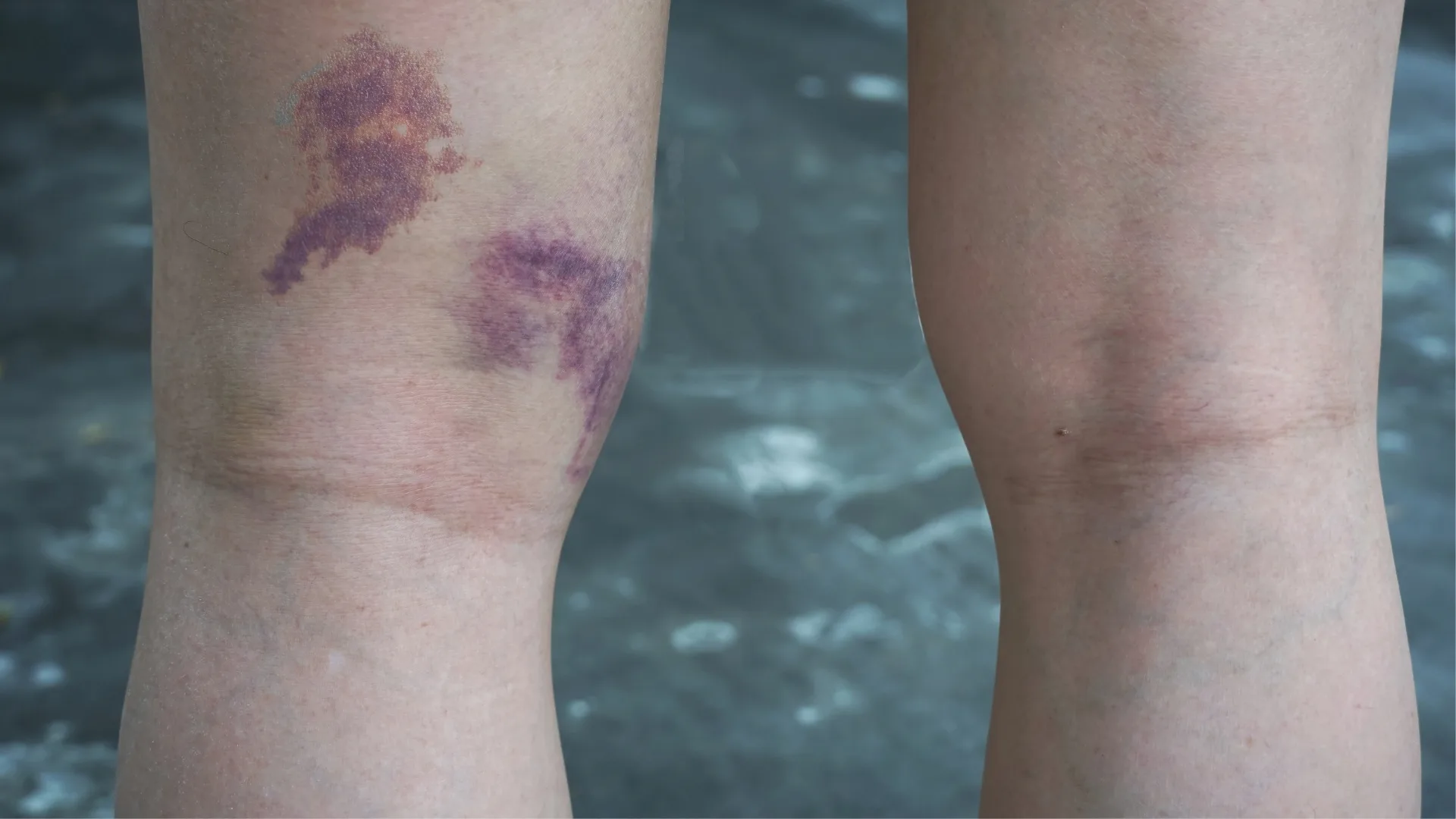
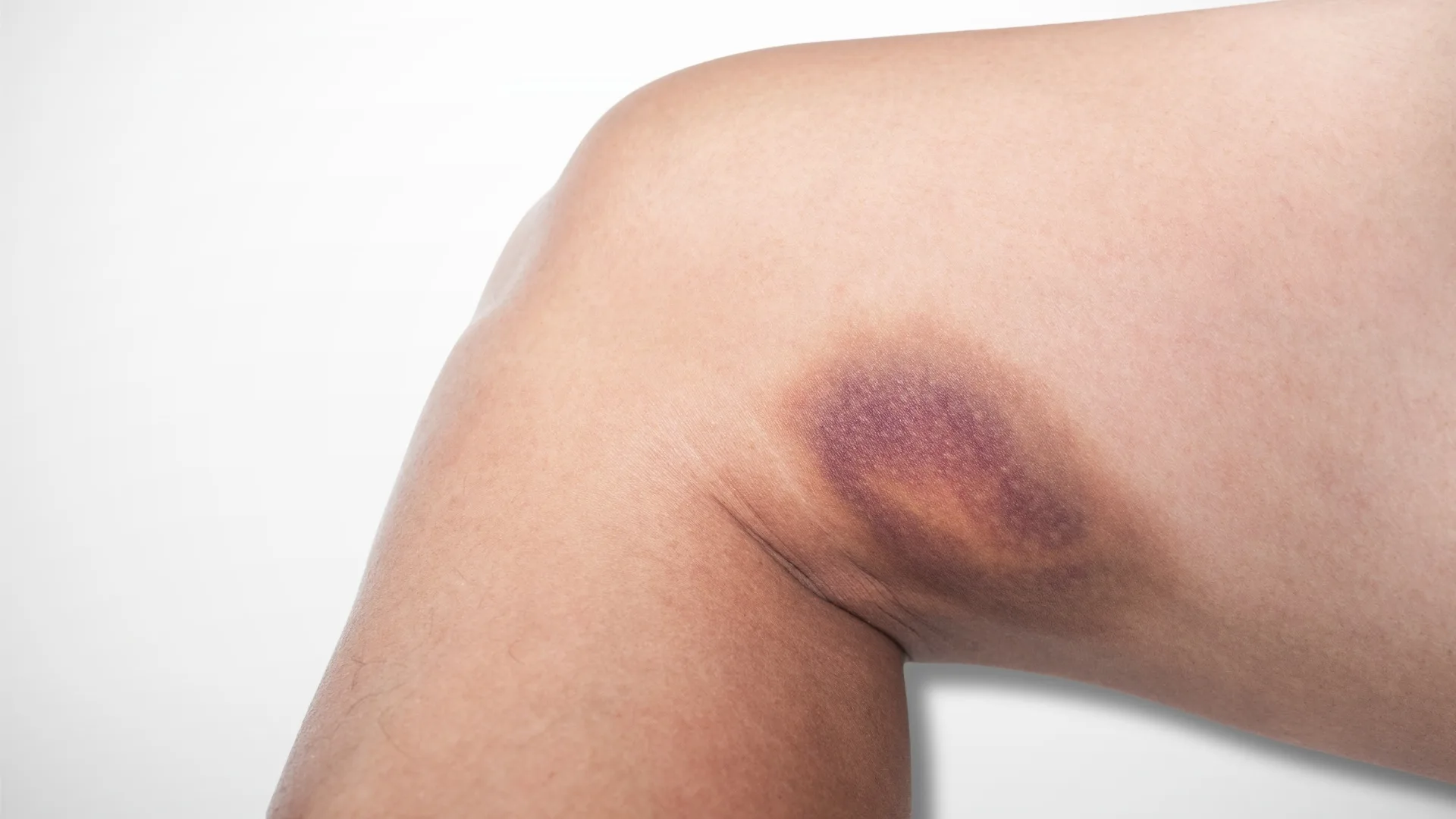
Bruising occurs when small blood vessels are damaged during the injury. When muscle fibers tear, nearby capillaries may also rupture. Blood then leaks into the surrounding tissues, which leads to visible discoloration, tenderness, and swelling.
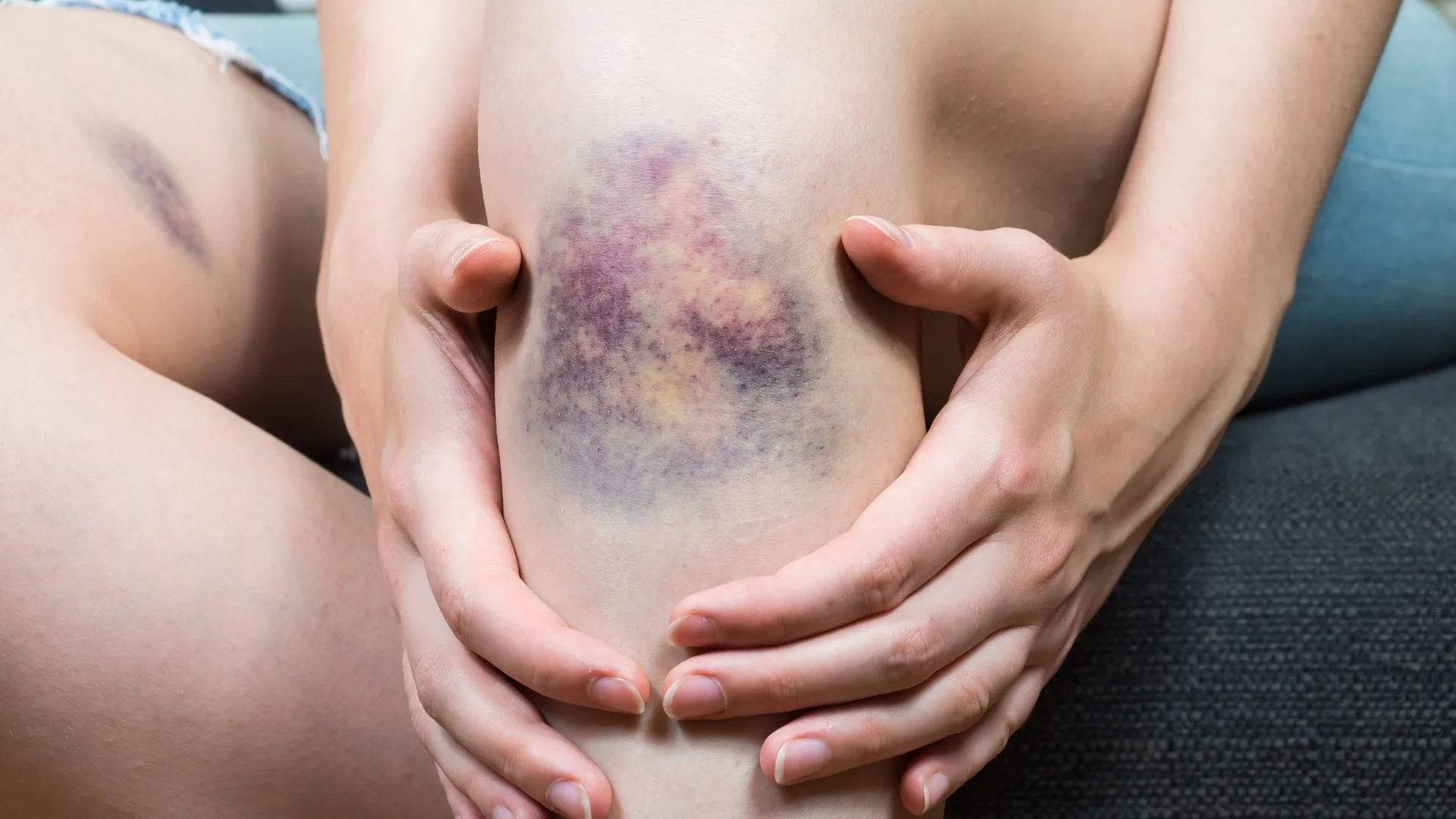
This type of discoloration is medically known as ecchymosis. The affected area may initially appear purple or blue and may feel tender when touched.
It is important to note that bruising may not appear immediately after the injury. It often becomes visible within 24 to 72 hours as blood gradually moves through the surrounding tissues under the influence of gravity.
As a result, bruising may appear not only at the back of the thigh but also behind the knee or even in the calf. This does not necessarily indicate that the injury has spread. The discoloration simply follows the downward movement of blood through the tissues.
Does Bruising Always Mean a Severe Injury?
Symptoms of a Hamstring Injury with Bruising
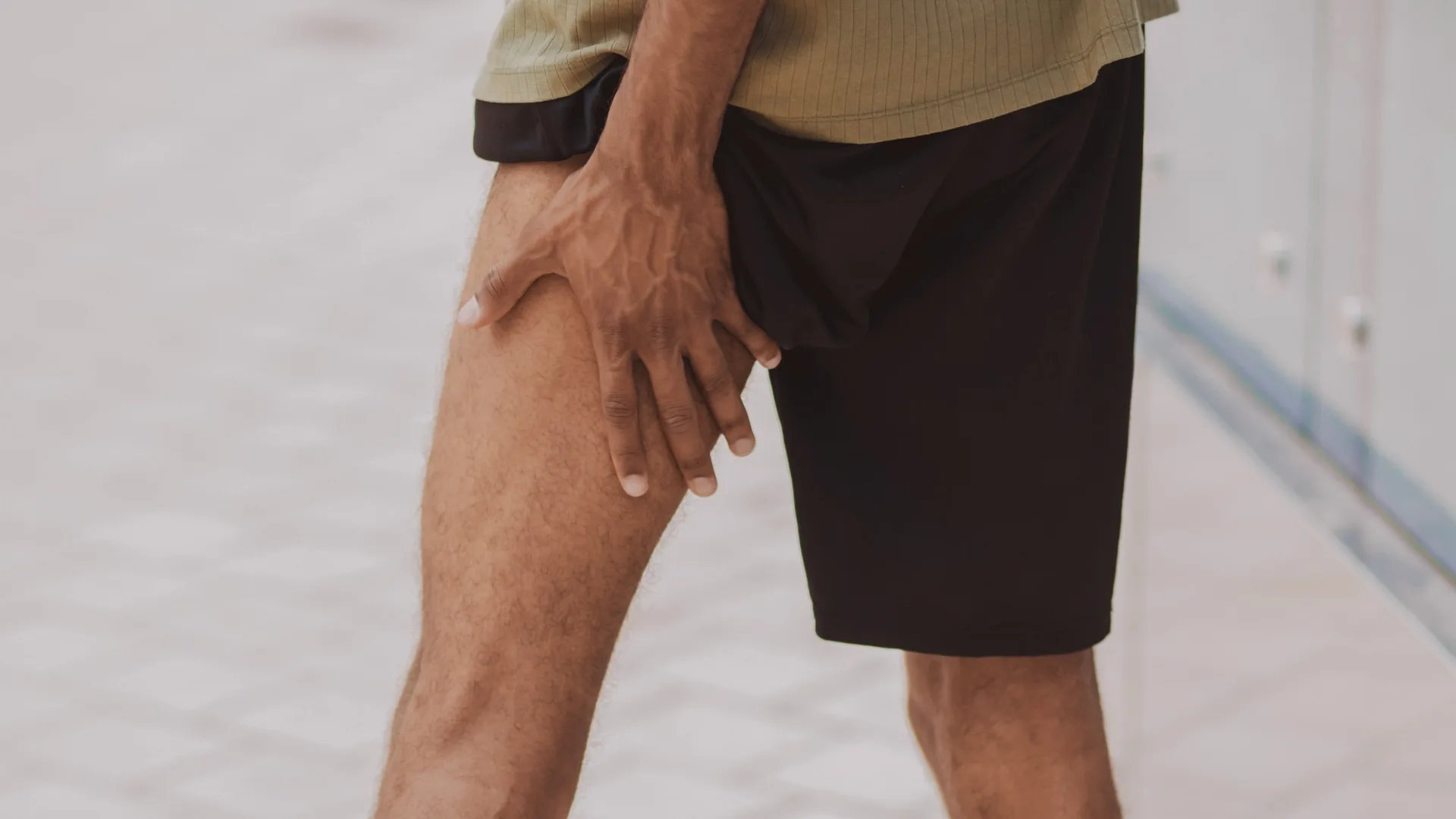
When a hamstring injury results in bruising, several symptoms may appear. Individuals often experience sudden sharp pain in the back of the thigh at the time of injury. Swelling and tenderness usually follow, and the muscle may feel weak or stiff. Visible discoloration may develop within the next few days.
In more severe injuries, a popping sensation may be felt at the moment of injury. Walking or bearing weight may become difficult, and in some cases a gap or dent in the muscle may be noticeable.
How Is a Bruised Hamstring Treated?
You can manage a bruise with the help of the following options.
ANF Therapy®
ANF Therapy® is an advanced approach that can be used as a complementary option alongside standard medical treatment. This therapy utilises small wearable ANF Devices that are applied to the affected areas of your body. It supports your body’s natural healing process and overall health.
Outcomes
ANF Therapy® is a drug-free modality that has been observed in real-world clinical settings. A study involving 1,054 patients across 45 countries evaluated the use of ANF Therapy® for various musculoskeletal concerns. Commonly addressed areas included the lower back, knees, neck, and shoulders. Reported pain scores decreased from an average of 7.6 to 3.1 out of 10 following ANF Therapy® use. Participants also reported reduced swelling and improved range of motion. Overall satisfaction scores were high, while reported effects such as dry mouth, headache, or fatigue were mild and short-term.
While these findings are not specific to muscle strain alone, they reflect how ANF Therapy® can be used in supportive care settings for musculoskeletal recovery and neuromuscular balance.
Start Your Journey With ANF Therapy®
ANF Therapy® is a frequency-based approach that supports the body’s natural healing processes. If you are dealing with ongoing muscle tension or strain and bruising in your hamstring, consult an ANF Practitioner to discuss whether ANF Therapy® can be included as part of your personal wellness or recovery strategy.
You can find a nearby ANF Therapist by visiting: www.anftherapy.com/find-clinic.
If you are a healthcare professional interested in expanding your understanding of frequency-based approaches, you can check out information about ANF Therapy® and the ANF Clinical Education Program at www.anfacademy.com.
Treatment also depends on the severity of the injury, but initial care during the first 48 hours usually follows the R.I.C.E. protocol.

R.I.C.E. Protocol
Rest:
Rest is important to prevent further strain on the injured hamstring. Avoid activities that place stress on the muscle during the early stage of recovery.
Ice:
Apply ice to the injured area for 15 to 20 minutes every 2 to 3 hours. Cold therapy helps reduce bleeding, swelling, and pain.
Compression:
Using an elastic bandage can help limit swelling and provide gentle support to injured tissues.
Elevation:
Elevation of the leg, whenever possible, can help reduce swelling by improving fluid drainage from the injured area.
After the Acute Phase
After the initial 48 to 72 hours, the treatment plan may gradually shift toward rehabilitation. Gentle stretching exercises may be introduced to restore flexibility. Light strengthening exercises can help rebuild muscle stability and function. Physical therapy is often recommended to guide safe recovery and ensure proper muscle rehabilitation.
A gradual return to activity is essential. Aggressive stretching or intense activity too early in the healing process may worsen bleeding and bruising.
How Long Does Bruising Last?
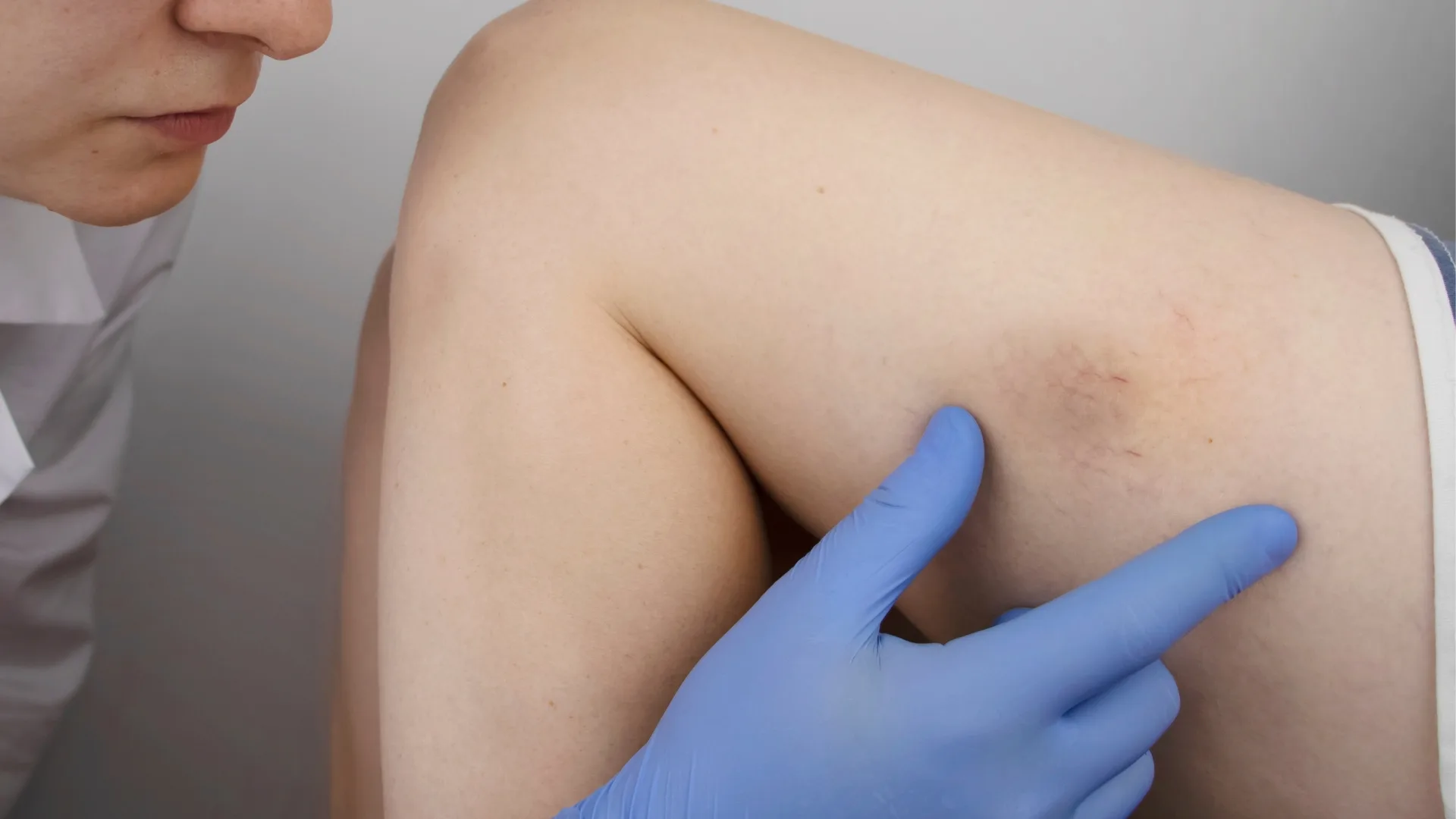
The discoloration from bruising usually fades within one to three weeks, depending on the severity of the injury. As bruises heal, they commonly change color in stages. The area may initially appear purple or blue, then gradually shift to green, yellow, and eventually brown before fading completely.
This progression represents the normal breakdown and reabsorption of blood pigments within the tissues.
While bruising may resolve within a few weeks, the underlying muscle injury may take longer to heal. Grade 1 injuries typically recover within one to three weeks. Grade 2 injuries may require four to eight weeks for full recovery. Grade 3 injuries, which involve complete muscle tears, may take three months or longer.
Can You Prevent Hamstring Injuries?
You cannot prevent every hamstring injury, but you can significantly reduce your risk by following a few simple habits.
- Start by warming up properly before any physical activity. When you warm up, you prepare your muscles for movement and increase blood flow to the hamstrings. Try dynamic stretches such as leg swings or light jogging to help your muscles become more flexible and ready for exercise.
- Include strength training in your routine. Strong hamstrings, glutes, and core muscles provide better stability during running, jumping, and sudden changes in direction. When these muscles are strong, your hamstrings are less likely to be overstressed.
- Make sure you work on your flexibility as well. Regular stretching keeps your muscles elastic and better able to handle sudden or powerful movements. Flexible hamstrings are generally less prone to strains.
- Avoid pushing your body too hard without enough recovery. Overtraining can lead to muscle fatigue, and tired muscles are more likely to get injured. Give your body enough time to rest between intense workouts.
- Increase the intensity, duration, or load of your workouts gradually. Sudden increases in training are one of the most common reasons hamstring strains occur. When you progress slowly, your muscles have time to adapt and become stronger.
Is It a Bruise or Something More Serious?
Bruising in the hamstring area is not always caused by a simple muscle strain. In some cases, what appears to be a bruise may actually result from a deep muscle contusion caused by direct impact, a tendon tear near the pelvis, or irritation of the sciatic nerve.
Pain that radiates down the leg or symptoms that persist for several weeks should be evaluated by a healthcare professional to determine the underlying cause.
Can You Walk with a Bruised Hamstring?
Conclusion
Hamstring injuries can indeed cause bruising, particularly in moderate to severe strains where blood vessels within the muscle are damaged. Bruising typically appears 24 to 72 hours after the injury and may extend from the back of the thigh toward the knee or calf as blood moves downward due to gravity.
Visible discoloration indicates bleeding within the tissues, but it does not always correspond precisely to the severity of the muscle damage. Early care using the R.I.C.E. protocol (rest, ice, compression, and elevation ) can help control bleeding, swelling, and pain during the initial phase of injury.
Gradual rehabilitation through stretching, strengthening exercises, and physical therapy plays an important role in restoring muscle function and preventing reinjury. Complementary approaches like ANF Therapy® can support the body’s natural healing process, reduce pain and swelling, and assist in restoring neuromuscular balance.
Most bruises fade within one to three weeks, while full muscle recovery may take several weeks or months, depending on the grade of injury. Monitoring symptoms carefully, avoiding premature return to activity, and seeking professional evaluation for severe pain or persistent mobility problems are essential steps for safe and effective recovery.