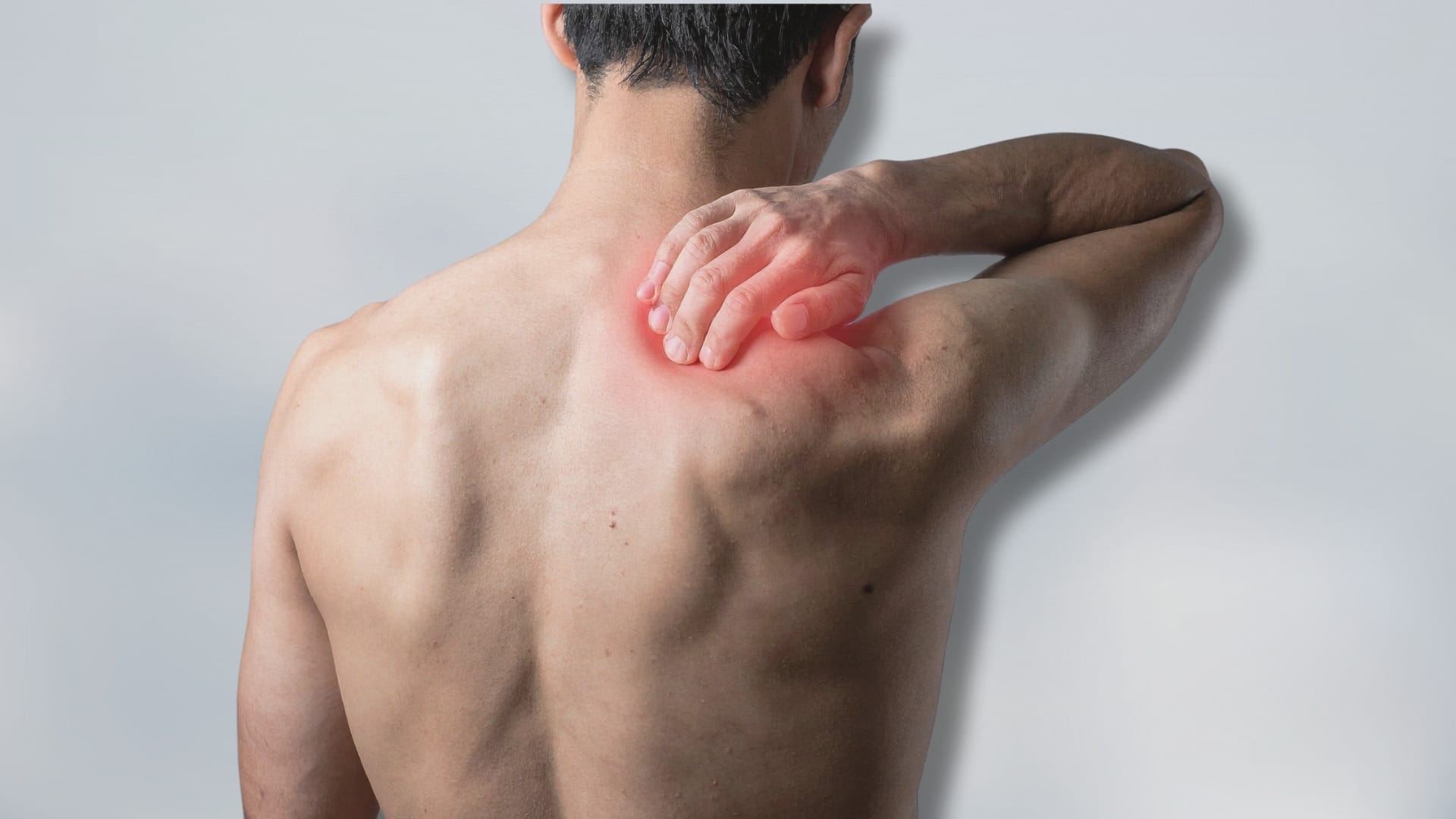
If you have recently been told that you have calcification in your shoulder, it is completely normal to feel concerned. Many people immediately wonder whether something serious could be going on. A common question that comes up is: Can calcification in the shoulder be cancer?
In most cases, the answer is no. Shoulder calcification is usually caused by calcific tendinitis, a relatively common, noncancerous condition. These calcium deposits typically develop in the rotator cuff tendons and can cause pain, stiffness, or limited shoulder movement.
However, hearing the word “calcification” can understandably raise concerns. The important thing to know is that calcification in the shoulder is rarely related to cancer. In the vast majority of cases, it is associated with inflammation, tendon irritation, or degenerative changes rather than a tumor.
In this blog, we will explore what shoulder calcification is, whether it can cause cancer, the warning signs of shoulder calcification, and how ANF Therapy® may be helpful.
What Is Shoulder Calcification?
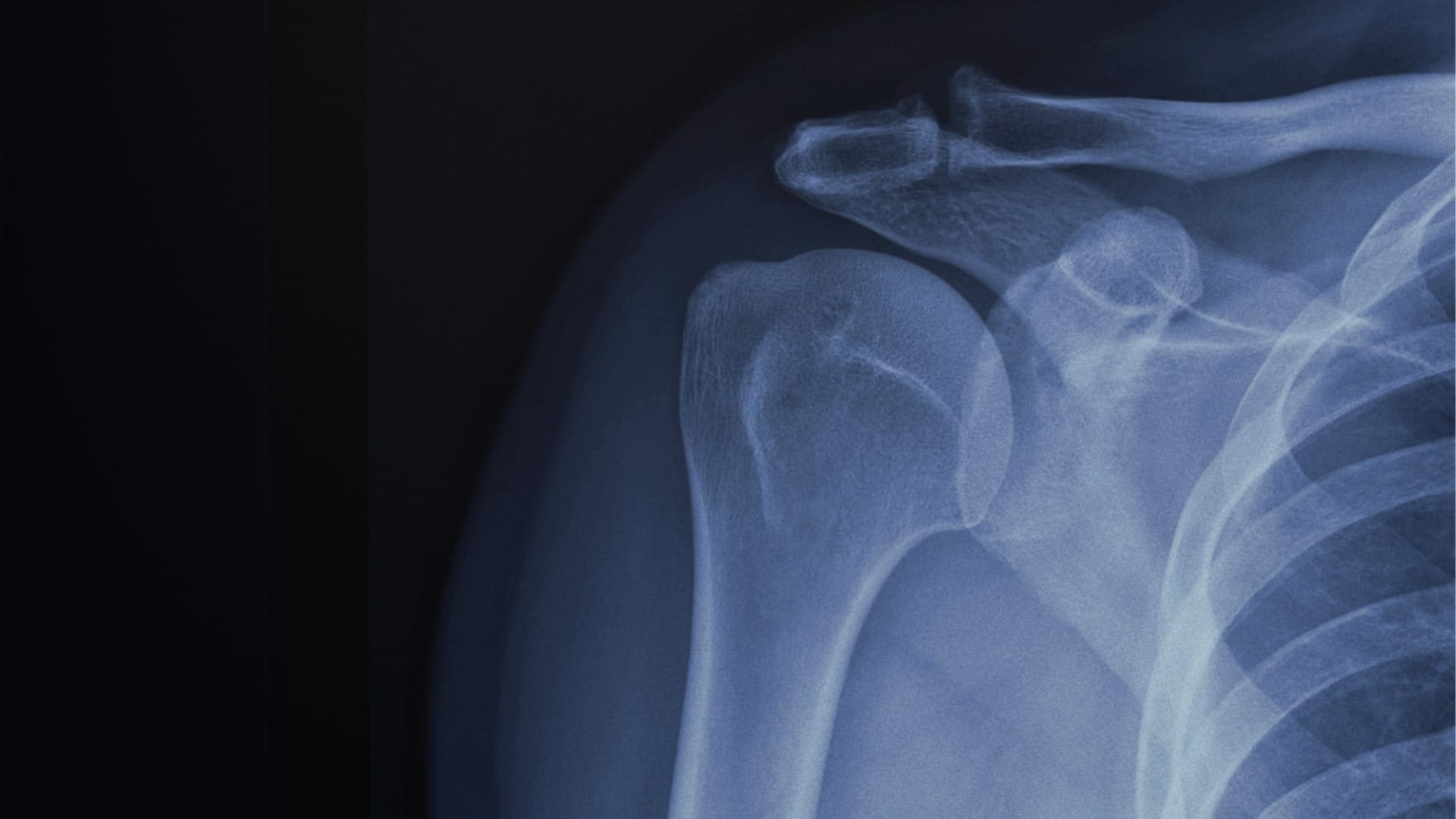
Shoulder calcification refers to the buildup of calcium deposits within the tendons of the shoulder, most commonly within the rotator cuff tendons. The rotator cuff is a group of muscles and tendons that stabilize the shoulder joint and allow you to lift and rotate your arm.
When calcium crystals accumulate in these tendons, they can form small deposits that may be visible on imaging tests such as X-rays or ultrasound. These deposits may remain small and asymptomatic, or they may lead to pain and inflammation.
Calcification most commonly occurs in the supraspinatus tendon, one of the key rotator cuff tendons responsible for lifting the arm. Although the presence of calcium deposits may sound alarming, they are usually part of a benign process rather than a dangerous one.
Many people develop these deposits gradually, and some may not even realize they have them until imaging is done for shoulder pain.

Why Do Calcium Deposits Form in the Shoulder?
The exact cause of shoulder calcification is not fully understood, but researchers believe several factors may contribute to its development.
One theory suggests that reduced blood supply to the tendons may trigger tissue changes, allowing calcium crystals to accumulate. Another possibility is that repetitive shoulder movements, mechanical stress, or micro-injuries within the tendon create conditions that favor calcium deposition.
The incidence of shoulder calcification also depends on age. Calcific tendinitis is most commonly seen in adults aged 30 to 60 years. Hormonal factors and metabolic changes may also influence the process. In most cases, the body eventually tries to reabsorb the calcium deposits. During this phase, inflammation may temporarily increase and cause sudden shoulder pain.
Although the process can be uncomfortable, it is generally not dangerous and often resolves with proper care.

Common Symptoms of Shoulder Calcification
Some people with shoulder calcification do not develop any symptoms. In other cases, the calcium deposits may cause noticeable discomfort or movement limitations.
Common symptoms of shoulder calcification include:
- Shoulder pain, especially when lifting the arm
- Pain that worsens at night
- Limited range of motion
- Stiffness in the shoulder joint
- Sudden sharp pain during certain movements
The intensity of symptoms often depends on the stage of the condition. As the body begins to break down the calcium deposit, inflammation may temporarily increase, leading to more intense pain.

Can Calcification in the Shoulder Be Cancer?
In most cases, shoulder calcification is not cancer.
Calcium deposits in tendons are most commonly associated with calcific tendinitis, a benign condition characterized by inflammation and mineral buildup in the soft tissues. These deposits typically appear on imaging as well-defined spots within the tendon.
Cancer affecting the shoulder area is extremely rare, and when it occurs, it usually presents differently on imaging studies. Tumors often involve bone changes, irregular masses, or destructive lesions, which look very different from the small, localized calcium deposits seen in calcific tendinitis.

When Should Shoulder Calcification Be Investigated Further?
Although shoulder calcification is usually benign, certain situations may require additional evaluation.
For example, your doctor may recommend further tests if:
- The imaging appearance is unusual
- The deposit is located in an atypical area
- Pain is severe and persistent
- There are signs of bone involvement
- Symptoms do not improve with standard treatment
In such cases, your doctor may recommend imaging techniques such as MRI or CT scans. These investigations are usually performed as a precaution to rule out rare conditions. In most cases, the results confirm that the calcification is benign.

Conditions That May Be Confused with Shoulder Calcification
Several other shoulder conditions can cause pain or imaging findings that may initially resemble calcification. These include:
Rotator cuff tendinopathy: It causes degenerative changes in the tendons, which can cause shoulder pain and reduced mobility.
Shoulder bursitis: Inflammation of the bursa that can cause swelling and discomfort with movement.
Frozen shoulder: Also known as adhesive capsulitis, this condition causes stiffness and limited motion.
Bone spurs: These are small bony projections that can develop near joints due to chronic stress.
Proper imaging and clinical evaluation usually allow healthcare professionals to accurately differentiate between these conditions.

How ANF Therapy® May Help Support Shoulder Recovery
ANF Therapy® (Amino Neuro Frequency Therapy) is designed to support the body’s natural healing processes and physiological regulation.
In musculoskeletal conditions such as shoulder pain or tendon irritation, ANF Therapy® may be used as a complementary approach.
Shoulder calcification involves irritation within the surrounding tissues and altered muscle activity around the joint. Supporting neuromuscular balance may help complement conventional approaches such as physical therapy and rehabilitation exercises.
It is important to understand that ANF Therapy® is not intended as a direct treatment for calcium deposits themselves. Rather, it may serve as a supportive adjunct alongside appropriate medical care and movement-based rehabilitation strategies.

How Long Does Recovery Usually Take?
Recovery time varies depending on the size of the calcium deposit and the stage of the condition.
Some individuals experience improvement within a few weeks, while others may take several months for symptoms to resolve completely. In many cases, the body gradually reabsorbs the calcium deposit over time.
Consistent rehabilitation, proper shoulder mechanics, and supportive care strategies can help improve recovery outcomes.

When Should You See a Healthcare Professional?
You should consider seeking professional evaluation if you experience:
- Persistent shoulder pain
- Severe pain that limits arm movement
- Pain that interferes with sleep
- Sudden loss of shoulder function
- Symptoms that do not improve with rest
Early evaluation can help confirm the diagnosis and ensure that the most appropriate management plan is followed.
The Bottom Line
Calcification in the shoulder can sound alarming at first, but in most cases, it is a benign and treatable condition. The majority of calcium deposits occur due to calcific tendinitis rather than cancer.
While shoulder calcification may cause pain or limited movement, it is rarely linked to malignant disease. Proper evaluation with imaging studies helps confirm the diagnosis and rule out other causes.
Addressing inflammation, improving shoulder mechanics, and supporting tissue recovery are important parts of management. Complementary approaches such as ANF Therapy® aim to support the body’s natural healing processes and neuromuscular balance when used alongside rehabilitation and medical care.
If you have calcifications in the shoulder, consult an ANF Practitioner or find an ANF Therapist at www.anftherapy.com/find-clinic to discuss how ANF Therapy® can help.
If you’re a healthcare practitioner and want to enhance your clinical skills with frequency medicine, learn more about the ANF Therapy® and ANF Clinical education program by visiting www.anfacademy.com.