Semitendinosus Tendinopathy: Causes, Symptoms, Diagnosis, and Non-Surgical Treatment
Hamstring injuries are a common concern among athletes, runners, and physically active individuals. While many are familiar with hamstring strains or tendinitis, semitendinosus tendinopathy is a less well-known condition that can cause chronic pain, stiffness, and reduced performance. Proper understanding and early management are essential to relieve symptoms and prevent long-term issues.
ANF Therapy® is an advanced approach that can be used as complementary therapy along with standard medical care in the management of semitendinosus tendinopathy.
In this blog, we will discuss the anatomy of the semitendinosus muscle, causes of tendinopathy, common symptoms, diagnosis, and effective non-surgical treatment options, including advanced supportive therapies like ANF Therapy®.
Understanding the Anatomy: The Semitendinosus Muscle
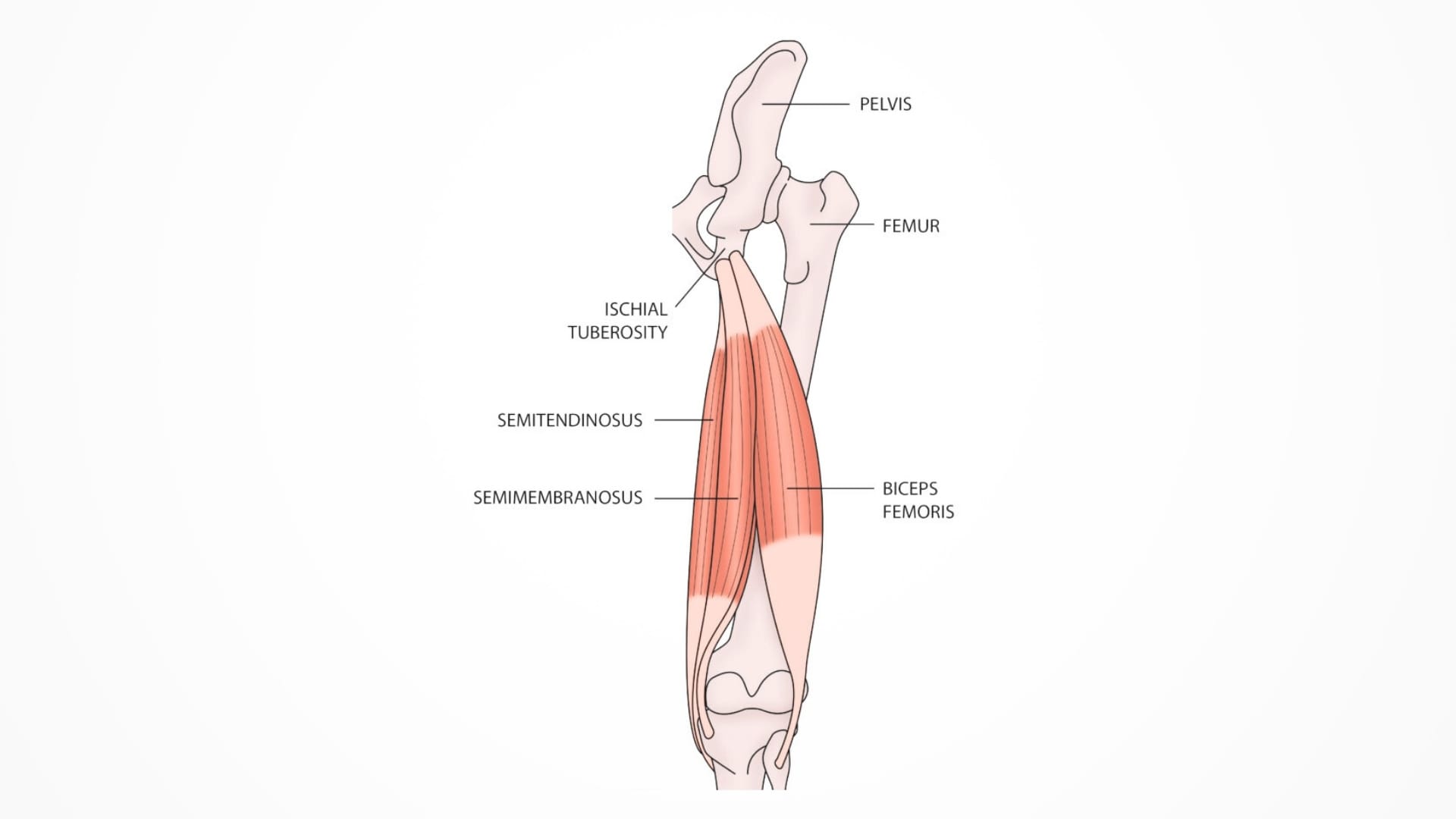
The semitendinosus is one of the three muscles of the hamstring group, located at the back of the thigh. The other two muscles are the biceps femoris and semimembranosus.
The semitendinosus plays several critical roles:
- Knee flexion: Bending the knee
- Hip extension: Moving the leg backward
- Internal rotation of the tibia: Rotating the lower leg inward when the knee is bent
The muscle originates from the ischial tuberosity of the pelvis and inserts into the pes anserinus, a conjoined tendon on the inner side of the tibia. This unique positioning makes it prone to overuse injuries, especially in running, jumping, or sudden directional changes.

What Is Semitendinosus Tendinopathy?
Common signs of tendinopathy include:
- Pain at the tendon insertion or along the muscle belly
- Stiffness, especially after rest
- Weakness during knee flexion or hip extension
- Discomfort that increases with activity

Causes of Semitendinosus Tendinopathy
Several factors can contribute to the development of this condition:
Overuse
Repetitive running, sprinting, cycling, or jumping can overload the semitendinosus tendon. Repeated microtrauma leads to degeneration and chronic irritation over time.
Muscle Imbalances
Weakness or tightness in surrounding muscles such as the glutes, quadriceps, or other hamstrings can place extra strain on the semitendinosus tendon.

Improper Technique
Incorrect running form, poor lifting technique, or abrupt increases in training intensity can all increase tendon stress.
Previous Injuries
A history of hamstring strains or knee injuries can alter tendon alignment and increase vulnerability to tendinopathy.
Anatomical Factors
Individual differences in tendon insertion, muscle length, or joint alignment can make some individuals more susceptible to tendon overload.
Common Symptoms
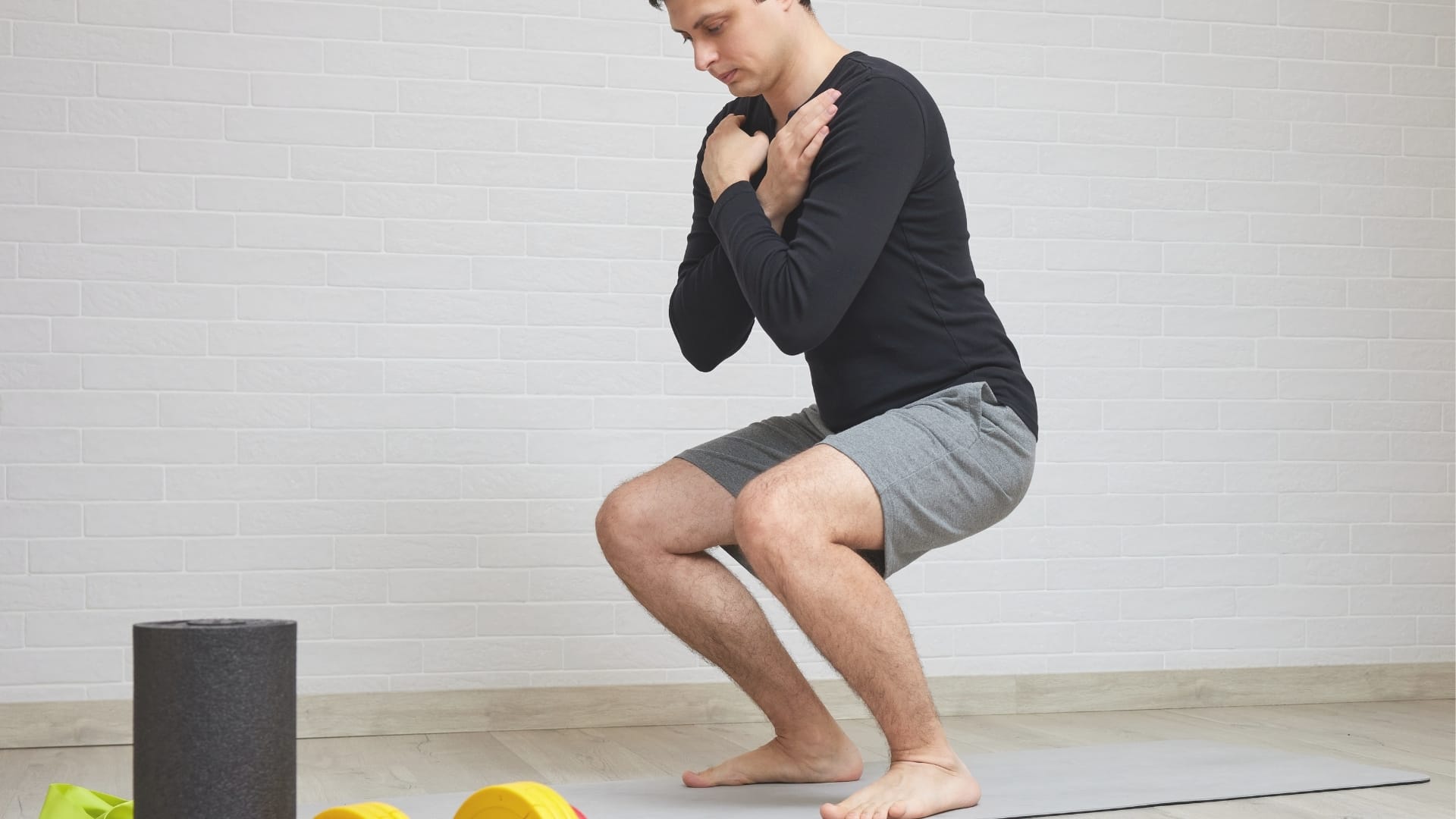
The most common symptom of semitendinosus tendinopathy is pain in the inner back or medial thigh, near the tendon insertion. Symptoms often worsen with activity and may ease during rest.
Other typical symptoms include:
- Stiffness in the posterior thigh, particularly in the morning
- Tenderness along the tendon or at the pes anserinus
- Pain during sprinting, climbing stairs, or squatting
- Weakness during knee flexion or hip extension
- Occasional swelling or mild warmth
Unlike acute hamstring injuries, tendinopathy pain develops gradually and may fluctuate based on activity levels.

Who Is at Risk?
Semitendinosus tendinopathy is more common in:
- Runners, sprinters, and long-distance athletes
- Soccer, football, and rugby players
- Cyclists and hikers
- Individuals with prior hamstring or knee injuries
- People with tight hamstrings or muscle imbalances
- Those who suddenly increase training intensity without proper conditioning

Non-Surgical Treatment Options
Most cases of semitendinosus tendinopathy respond well to conservative, non-surgical management. The goal is to reduce pain, restore tendon function, and correct underlying muscle imbalances.
Rest and Activity Modification
Avoiding activities that worsen symptoms allows the tendon to heal naturally. Low-impact exercises like swimming or cycling may be used during recovery.

Physical Therapy
Physiotherapy is essential and may include:
- Hamstring stretching to reduce tendon tension
- Strengthening exercises for the semitendinosus, glutes, and quadriceps
- Neuromuscular training to improve movement patterns and reduce tendon stress
Ice Therapy
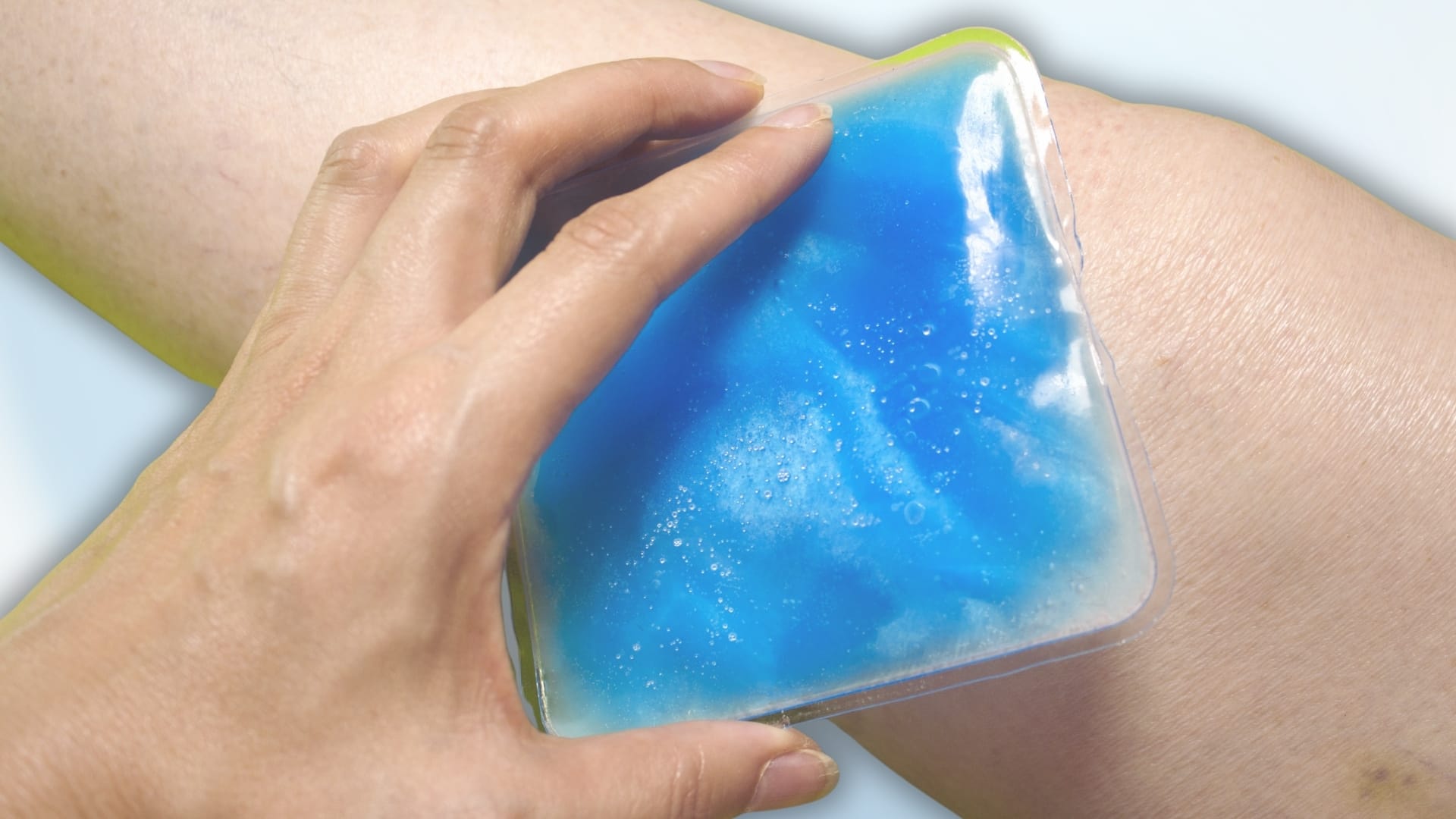
Applying ice after activity can reduce inflammation, swelling, and discomfort. Typically, 15–20 minutes of ice therapy is recommended.

Sports Technique Correction
Improving running, lifting, and movement mechanics can prevent excessive stress on the tendon. A physiotherapist can evaluate your biomechanics and recommend adjustments to reduce strain and prevent reinjury.
ANF Therapy® for Supportive Care
ANF Therapy® is an advanced, non-invasive, and chemical-free approach that can be used alongside standard treatment options. It supports the body’s natural healing processes and promotes overall wellness. It involves placing small, frequency-based wearable devices on targeted areas.
Outcomes
ANF Therapy® is a drug-free modality observed in real-world clinical settings. A study involving 1,054 patients across 45 countries evaluated the use of ANF Therapy® for various musculoskeletal concerns. Commonly addressed areas included the lower back, knees, neck, and shoulders. Reported pain scores decreased from an average of 7.6 to 3.1 out of 10 following ANF Therapy® use. Participants also reported reduced swelling and improved range of motion. Overall satisfaction scores were high, while reported effects such as dry mouth, headache, or fatigue were mild and short-term.
While these findings are not specific to hamstring tendinopathy only, they reflect how ANF Therapy® can be used in supportive care settings for musculoskeletal recovery and neuromuscular balance.
Start Your Journey With ANF Therapy®
ANF Therapy® is a frequency-based approach that supports the body’s natural processes and is used as a complementary option alongside physiotherapy in individuals experiencing a wide range of musculoskeletal discomforts, such as semitendinosus tendinopathy. If you are experiencing pain or stiffness in the posterior side of your thigh, consult an ANF Practitioner to discuss whether ANF Therapy® could be included as part of your personal wellness or recovery strategy.
You can find an ANF Therapist by visiting: www.anftherapy.com/find-clinic.
If you are a healthcare professional interested in expanding your understanding of frequency-based approaches, you can check out more information about ANF Therapy® and the ANF Clinical Education Program at www.anfacademy.com.

Prevention Strategies
Preventing semitendinosus tendinopathy involves reducing tendon overload and maintaining healthy hamstrings:
- Maintain Hamstring Flexibility: Make it a habit to stretch your hamstrings regularly. Flexible muscles reduce tension on the semitendinosus tendon and make your movements smoother, helping prevent pain or injury.
- Strengthen Supporting Muscles: Focus on strengthening your glutes, quadriceps, and core muscles. Strong supporting muscles improve knee stability and take pressure off your hamstrings, reducing the risk of tendon problems.
- Warm Up Properly: Always perform a proper warm-up before exercise or sports. Dynamic stretches and gentle movements prepare your muscles and tendons for activity, lowering your chances of developing injuries.
- Gradually Increase Training Intensity: Avoid suddenly increasing the intensity, duration, or speed of your workouts. Gradual progression allows your tendons and muscles to adapt safely and reduces the risk of overload.
- Address Pain Early: Don’t ignore pain, stiffness, or discomfort in your thigh or knee. If you notice symptoms, consult a physiotherapist or sports medicine specialist promptly to prevent the condition from worsening.
Conclusion
Semitendinosus tendinopathy is a chronic overuse condition that affects the hamstring tendon and can cause pain, stiffness, and reduced performance. Most cases respond well to non-surgical management, including rest, physiotherapy, stretching, strengthening, movement correction, and supportive therapies such as ANF Therapy®.
By addressing muscle imbalances, improving biomechanics, and taking preventive measures, athletes and active individuals can reduce the risk of tendinopathy and maintain healthy hamstring function. Most people can return to sports, running, and daily activities without long-term limitations with consistent care and early intervention.