Pelvic floor dysfunction is often discussed in isolation, yet many of its symptoms overlap with gastrointestinal and urinary conditions. Constipation, recurrent UTI-like symptoms, urinary urgency, bladder pressure, and hemorrhoids are frequently treated as separate problems, even though they may share a common functional contributor: altered pelvic floor coordination.
The pelvic floor is a group of muscles, nerves, and connective tissues that work together to support bladder and bowel function. These muscles contract and relax in a precise sequence. When this coordination is disrupted, it can affect various systems, including the gastrointestinal, genital, and urinary systems, which makes its diagnosis more confusing. This is the reason the diagnosis of pelvic floor dysfunction is usually delayed.
This blog explains how pelvic floor dysfunction affects bowel and bladder function, why symptoms persist despite normal tests, why isolated treatments may provide only temporary relief, and how ANF Therapy® can help with pelvic floor dysfunction.
Pelvic Floor Dysfunction and Constipation
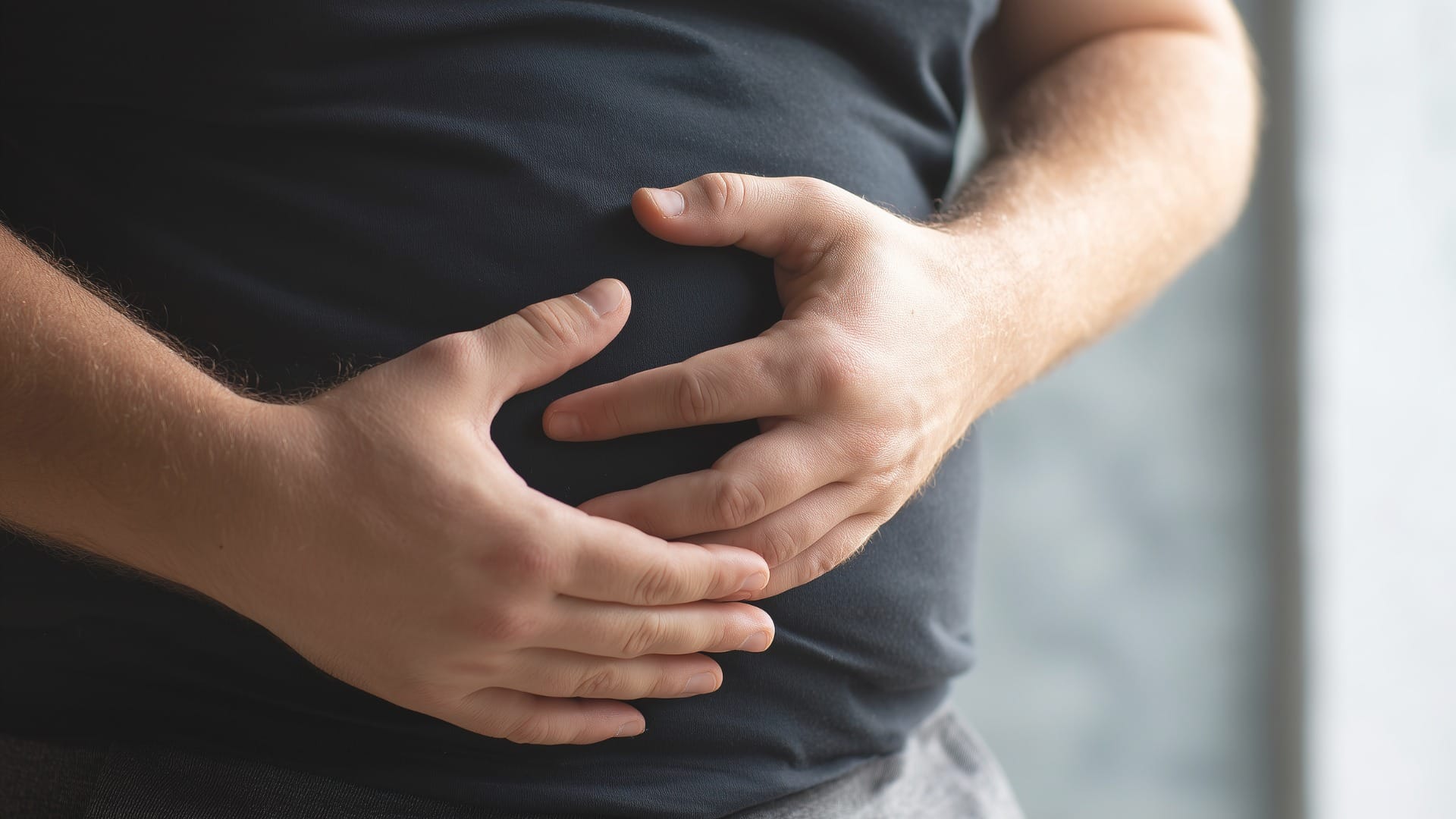
Constipation associated with pelvic floor dysfunction is different from constipation caused by diet, dehydration, or slow bowel transit. In pelvic floor dysfunction, stool may reach the rectum normally, but evacuation is difficult.
This occurs when pelvic floor muscles do not relax at the right time or remain partially contracted during bowel movements. Pelvic floor muscles resist the movement instead of opening and lengthening to allow stool passage that creates a functional outlet obstruction.
People with pelvic floor–related constipation often report:
- Difficulty starting bowel movements
- Prolonged straining
- A sensation of incomplete emptying
- Frequent urges without successful evacuation
This type of constipation is sometimes overlooked because bowel frequency may appear normal, and patients do not realize they have a problem
How Does Pelvic Floor Dysfunction Cause Constipation?
During a normal bowel movement, the pelvic floor muscles relax while abdominal pressure gently increases. In pelvic floor dysfunction, this coordination is disrupted.
Common mechanisms that lead to constipation are:
- Non-relaxing or overactive pelvic floor muscles
- Altered nerve signaling between the brain and pelvic muscles
- Muscle guarding due to pain, stress, or previous injury
- Changes in posture or breathing that increase pelvic pressure
When relaxation does not occur fully, stool passage becomes difficult even when stool consistency and bowel motility are normal. This is why fibers, laxatives, or hydration alone may not resolve symptoms.
Can Pelvic Floor Dysfunction Feel Like a UTI?
Yes. Pelvic floor dysfunction can closely mimic symptoms of urinary tract infection. You may feel symptoms like urinary urgency, frequency, burning, pressure, or discomfort may occur even when your urine tests show no infection.
This happens because tight or poorly coordinated pelvic floor muscles irritate surrounding nerves and alter bladder signaling. The bladder may send urgency signals prematurely, creating the sensation of needing to urinate frequently.
This overlap often leads to:
- Repeated urine testing with normal results
- Multiple courses of antibiotics without lasting relief
- Ongoing urinary discomfort without a clear diagnosis
Recognizing pelvic floor involvement is important when urinary symptoms persist despite negative cultures.

UTI vs Pelvic Floor Dysfunction: Symptoms Compared
Although symptoms may appear similar, UTIs and pelvic floor dysfunction differ in cause and behavior.
Urinary tract infections are bacterial and typically confirmed through laboratory testing. Pelvic floor dysfunction is functional, involving muscle coordination and nervous system regulation.
Features more suggestive of pelvic floor dysfunction include:
- Recurrent urinary symptoms with normal urine cultures
- Symptoms influenced by posture, stress, or muscle tension
- Coexisting bowel symptoms or pelvic discomfort
- Minimal or temporary response to antibiotics
A comprehensive assessment that considers both urinary and pelvic muscle function is often needed for accurate differentiation.
Overactive Bladder and Pelvic Floor Dysfunction
Overactive bladder symptoms—urgency, frequency, and nocturia—are commonly associated with pelvic floor dysfunction. When pelvic floor muscles remain tense or fail to relax appropriately, they may interfere with normal bladder signaling.
Instead of supporting controlled bladder filling, the pelvic floor may contribute to premature urgency sensations. This explains why some individuals experience bladder symptoms despite normal bladder imaging and testing.
Pelvic floor dysfunction may contribute to:
- Sudden urges to urinate
- Frequent urination without large volumes
- Nighttime urination
- Difficulty delaying bladder emptying
Addressing pelvic floor coordination is often part of a broader evaluation for overactive bladder symptoms.

Does Pelvic Floor Dysfunction Cause Hemorrhoids?
Pelvic floor dysfunction does not directly cause hemorrhoids, but it can contribute to conditions that worsen them. When pelvic floor muscles fail to relax during bowel movements, individuals may strain excessively.
Repeated straining increases pressure in the rectal veins, which may aggravate existing hemorrhoids or increase discomfort. Addressing pelvic floor coordination may help reduce unnecessary straining and rectal pressure during defecation.

Non-Relaxing Pelvic Floor Dysfunction Symptoms
In non-relaxing pelvic floor dysfunction, muscles remain overly tense rather than weak. This pattern is strongly associated with chronic stress, pain conditions, and altered nervous system regulation.
Symptoms may include:
- Constipation despite dietary changes
- Urinary urgency or burning without infection
- Pelvic, rectal, or perineal discomfort
- Pain with sitting or prolonged standing
- Difficulty fully emptying the bladder or bowels
This pattern is frequently underdiagnosed because imaging and routine tests are often normal.
How ANF Therapy® Helps With Pelvic Floor Dysfunction
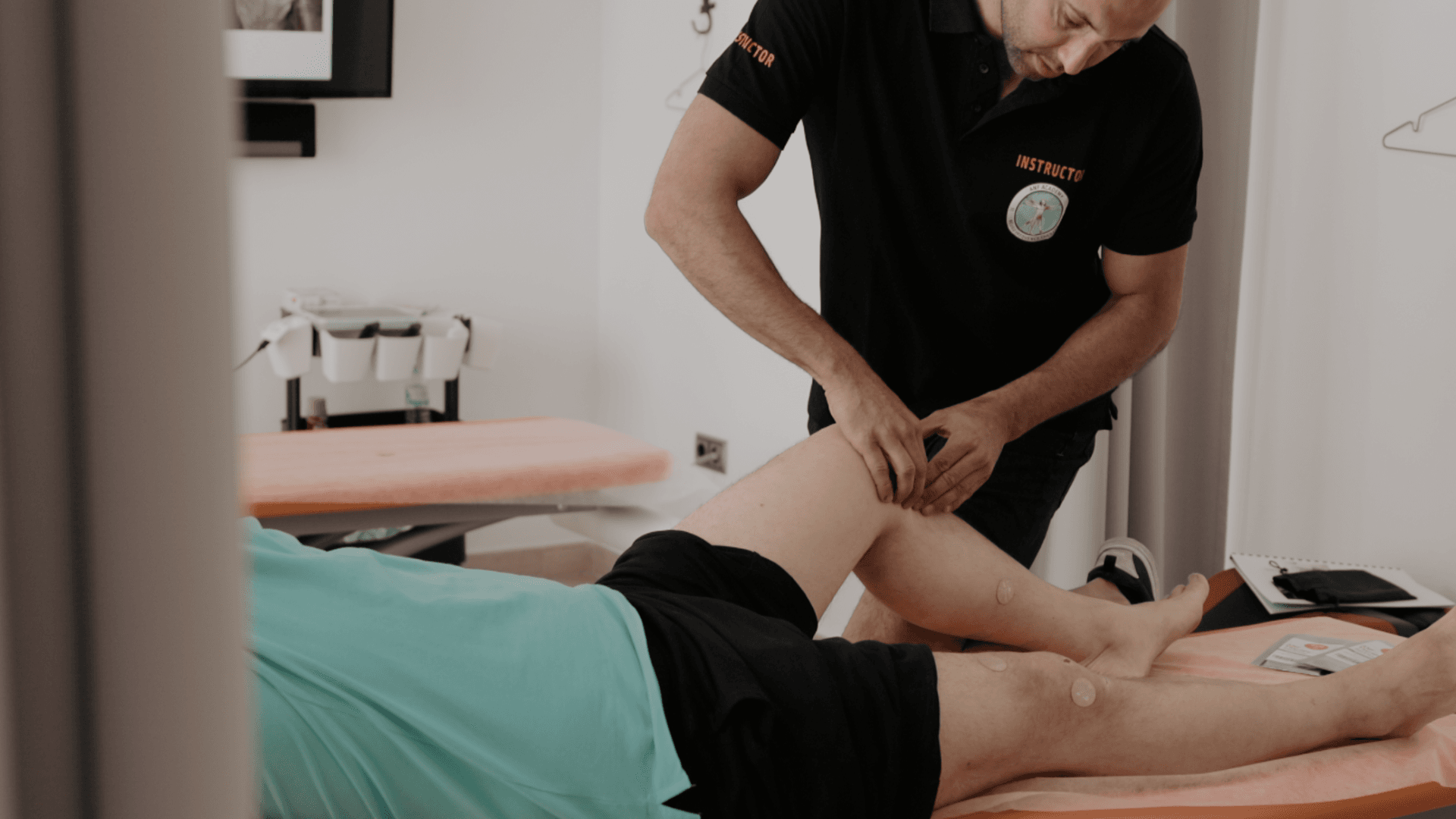
ANF Therapy® is a non-invasive, frequency-based approach that focuses on supporting communication between the nervous system and the body.
Pelvic floor symptoms often involve altered neuromuscular signaling, sustained muscle tension, and stress-related holding patterns. ANF Therapy® uses small ANF Devices applied to specific areas of the body to support the body’s natural healing processes.
ANF Therapy® is part of a broader pelvic health strategy alongside physiotherapy, breathing techniques, posture awareness, and stress management. ANF Therapy® does not claim to diagnose, treat, or cure pelvic floor dysfunction and is presented as a complementary modality within an integrated care plan guided by qualified ANF Practitioners.

Frequently Asked Questions
What happens if pelvic floor dysfunction goes untreated?
Symptoms may persist or gradually worsen over time. Chronic constipation, ongoing urinary urgency, pelvic discomfort, and reduced quality of life can develop, which may lead to secondary issues such as hemorrhoids or recurrent urinary complaints.
How to know if you have a weak pelvic floor?
Pelvic floor dysfunction is not always due to weakness alone. Some people have weak muscles, others have excessive tension, and many have both. A professional pelvic health assessment is the most reliable way to identify the underlying pattern.
Is pelvic floor dysfunction dangerous or just uncomfortable?
Pelvic floor dysfunction is not typically dangerous, but it can significantly affect daily comfort, emotional well-being, and functional ability if not addressed appropriately.
Conclusion
Pelvic floor dysfunction usually affects the bowel, bladder, and nervous system. Constipation, UTI-like symptoms, bladder urgency, and hemorrhoids may share a common functional origin rather than infection or structural disease. When this dysfunction is not recognized, symptoms may persist despite normal investigations and repeated treatments that target only one system at a time. A whole-system approach that considers muscle coordination, nerve signaling, stress, posture, and supportive therapies like ANF Therapy® can help identify underlying contributors and support more effective and long-term symptom management.
If you want to explore how ANF Therapy® can help with pelvic floor dysfunction, consult an ANF Practitioner to discuss whether this approach may be appropriate within your overall wellness or recovery strategy.
To find an ANF Therapist, visit: www.anftherapy.com/find-clinic/.
If you are a healthcare professional interested in learning more about ANF Therapy®, you can explore the ANF Clinical Education Program at www.anfacademy.com.