
How Does Stress Affect the Pelvic Floor: Signs, Symptoms, and What You Can Do
Stress is an unavoidable part of modern life, but chronic stress can cause harmful effects on the body, including the pelvic floor. The pelvic floor is a group of muscles, ligaments, and connective tissues that support the bladder, bowel, and reproductive organs while contributing to core stability, posture, and sexual function. When you have chronic stress, it can disrupt the normal function of these muscles that leads to tension, dysfunction, and a range of uncomfortable symptoms.
This blog explores how stress affects the pelvic floor, the common signs and symptoms, risk factors, diagnostic approaches, and strategies to manage stress-related pelvic floor dysfunction, and how ANF Therapy® can help.

What Is the Pelvic Floor?
The pelvic floor is a complex network of muscles, fascia, and ligaments that form a hammock-like structure at the base of the pelvis. Its primary functions are:
- Supporting pelvic organs (bladder, uterus, prostate, rectum)
- Maintaining urinary and bowel continence
- Assisting with sexual function
- Contributing to core stability and posture
- Coordinating with breathing and intra-abdominal pressure
Healthy pelvic floor muscles contract and relax in response to daily demands. When stress interferes with this coordination, the muscles may become hypertonic (overly tight) or weakened, which causes dysfunction.

How Stress Affects the Pelvic Floor?
Chronic stress affects the pelvic floor primarily through nervous system dysregulation. The autonomic nervous system, which controls involuntary bodily functions, responds to stress by activating the “fight or flight” response. This tightens the muscles of the whole body, including the pelvic floor muscles.
Stress affects the body in the following ways:
1. Muscle Tension and Hypertonicity
Stress signals cause reflexive contraction of the pelvic floor muscles that increases resting muscle tone. Over time, this chronic tension can impair relaxation during urination or bowel movements, leading to constipation, urinary urgency, or pelvic pain.
2. Altered Nervous System Signaling
Stress can disrupt the communication between the brain and pelvic floor muscles, affecting timing, coordination, and strength. This can create dyssynergia between the contraction and relaxation of muscles, which makes bladder emptying difficult.
3. Pain Sensitization
Chronic stress heightens the nervous system’s sensitivity, amplifying pelvic discomfort. Even minor bladder or bowel activity can trigger a strong pain response, which can worsen muscle guarding and dysfunction.
4. Postural Changes
Stress often leads to poor posture, shallow breathing, and increased tension in the abdomen and lower back. These factors place additional strain on the pelvic floor muscles, further contributing to dysfunction.

Symptoms of Stress-Related Pelvic Floor Dysfunction
Stress-related pelvic floor issues have a slow onset, but they worsen over time. Common symptoms include:
- Urinary urgency or frequency without infection
- Difficulty fully emptying the bladder
- Constipation or straining during bowel movements
- Pelvic pain, pressure, or heaviness
- Pain during intercourse
- Lower back discomfort
- Muscle spasms or tightness in the pelvic region
Risk Factors for Stress-Induced Pelvic Floor Dysfunction
Several factors may increase susceptibility to stress-related pelvic floor issues. These include the following:
- Chronic psychological stress, anxiety, or depression
- History of trauma, including pelvic or abdominal injuries
- Poor posture
- Prolonged sitting
- High-impact or repetitive physical activities without adequate core support
- Lack of awareness of diaphragmatic breathing and core engagement

How to Recognize Stress Impact on Your Pelvic Floor
While a formal assessment by a pelvic health professional provides the most accurate diagnosis, you can observe the following signs at home:
1. Muscle Awareness Test
Try to contract your pelvic floor muscles as if stopping urine flow. Notice if you over-engage glutes, thighs, or abdomen, or if contraction is difficult to isolate.
2. Functional Symptom Tracking
Keep a journal of symptoms such as urinary urgency, constipation, pelvic discomfort, or pain during intercourse. Symptoms that worsen during periods of stress may indicate stress-induced dysfunction.
3. Posture and Breathing Observation
Shallow chest breathing, slouched posture, or tight abdominal muscles can indicate that stress is affecting pelvic floor coordination.

How To Manage Pelvic Floor Dysfunction?
The management of PFD focuses on both stress reduction and pelvic floor rehabilitation.
Breathing and Core Coordination
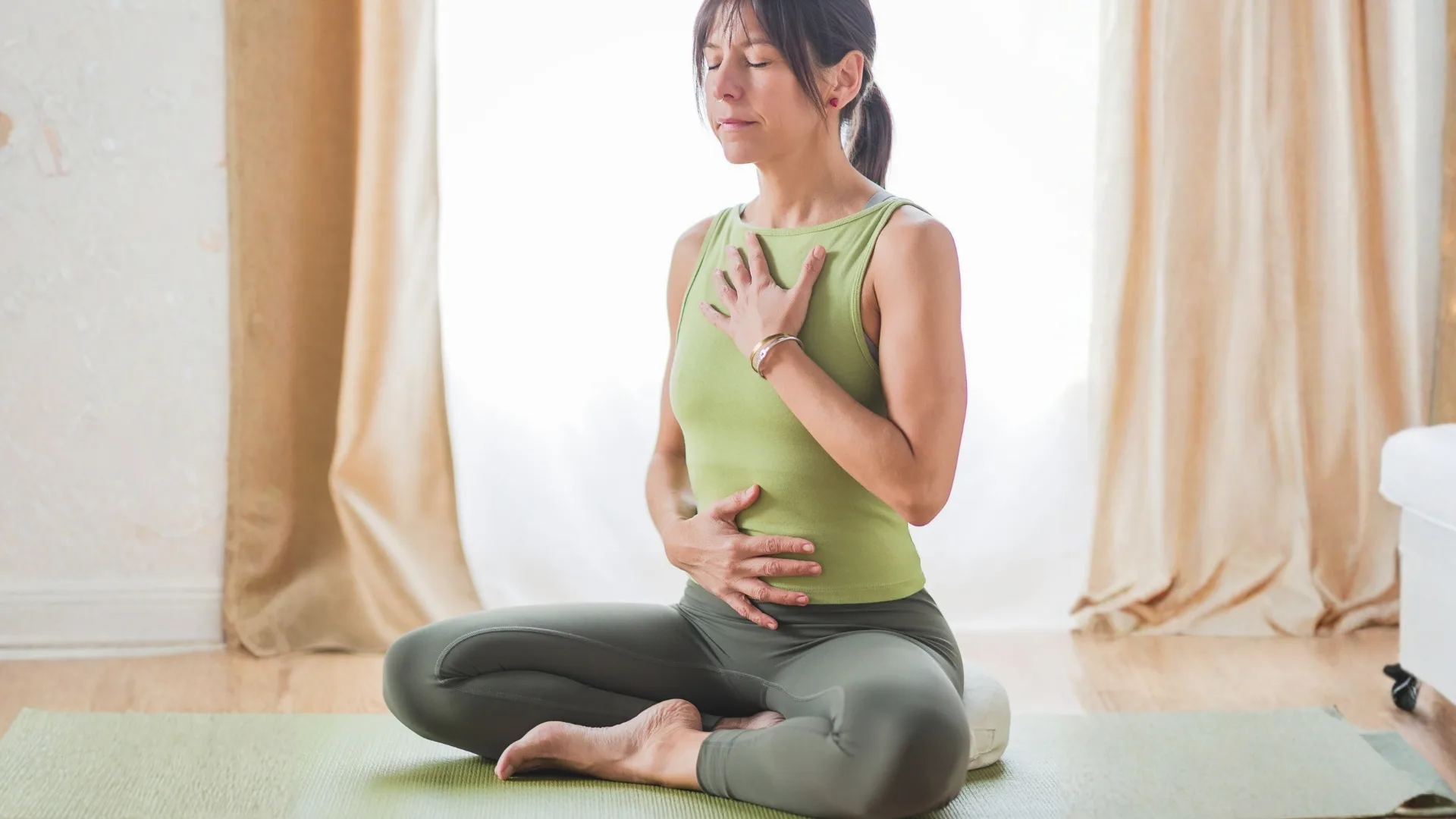
Diaphragmatic breathing and proper core engagement reduce pelvic floor tension. Deep breathing allows intra-abdominal pressure to be distributed evenly, letting pelvic muscles relax. Coordinated breathing with core activation improves strength, endurance, and functional control.
Lifestyle Adjustments
Follow these lifestyle habits to improve the functioning of pelvic floor muscles:
- Maintain a healthy body weight to reduce abdominal pressure
- Avoid chronic straining during bowel movements
- Incorporate stress management techniques such as meditation, yoga, or mindfulness
- Optimize posture and ergonomics during daily activities
Pelvic Floor Therapy
An ANF Therapist can design individualized programs, which may include:
- Muscle relaxation and lengthening exercises
- Strengthening weak muscles
- Neuromuscular re-education for proper coordination
- Biofeedback-assisted training to improve awareness
How ANF Therapy® May Help With Stress-Related Pelvic Floor Dysfunction
ANF Therapy® is an advanced and non-invasive option for individuals seeking a holistic and supportive approach to pelvic floor dysfunction. This therapy uses small ANF Devices that are applied to specific areas of the body. It is designed to support the body’s natural regulatory and communication processes, particularly those involving the nervous system and muscular coordination. ANF Therapy® does not claim to diagnose or cure pelvic floor dysfunction and is used as a complementary modality within an integrated care plan.
When to Seek Professional Help?
Consult a healthcare professional if you experience:
- Persistent pelvic pain or pressure
- Urinary leakage or urgency
- Constipation or difficulty evacuating
- Symptoms that interfere with daily life or intimacy
Early intervention can prevent progression and improve long-term outcomes.
Frequently Asked Questions
Can stress alone weaken the pelvic floor?
Yes. Chronic stress can cause pelvic floor hypertonicity, impaired coordination, and dysfunction even without direct injury or childbirth-related trauma.
Is relaxation enough to restore pelvic floor function?
Relaxation helps but is rarely sufficient on its own. A combination of breathing exercises, targeted therapy, lifestyle adjustments, and ANF Therapy® may yield the best results.Can stress-induced pelvic floor dysfunction affect men?
Yes. Men can also experience pelvic floor tension due to chronic stress, which can cause urinary symptoms, pelvic discomfort, or sexual dysfunction.
Conclusion
Stress has a significant impact on pelvic floor function. It influences muscle tone, coordination, and nervous system communication. Chronic tension, postural changes, and heightened pain sensitivity can all contribute to pelvic floor dysfunction, resulting in urinary issues, constipation, pelvic pain, and reduced sexual function. Approaches such as diaphragmatic breathing, core coordination, lifestyle adjustments, and targeted pelvic floor therapy can treat PFD. ANF Therapy® can further support your body’s natural healing processes.
ANF Therapy® is a frequency-based, non-invasive approach used as a complementary option within broader wellness and recovery strategies for individuals experiencing musculoskeletal discomfort, including pelvic floor-related tension or coordination challenges. If you are experiencing weakness or pain in the pelvis, consult an ANF Practitioner or find an ANF Therapist at www.anftherapy.com/find-clinic to discuss how ANF Therapy®can help.
If you’re a healthcare practitioner and want to enhance your clinical skills with frequency medicine, learn more about the ANF Therapy® and ANF Clinical education program by visiting www.anfacademy.com.