Does Endometriosis Cause Pelvic Floor Dysfunction?
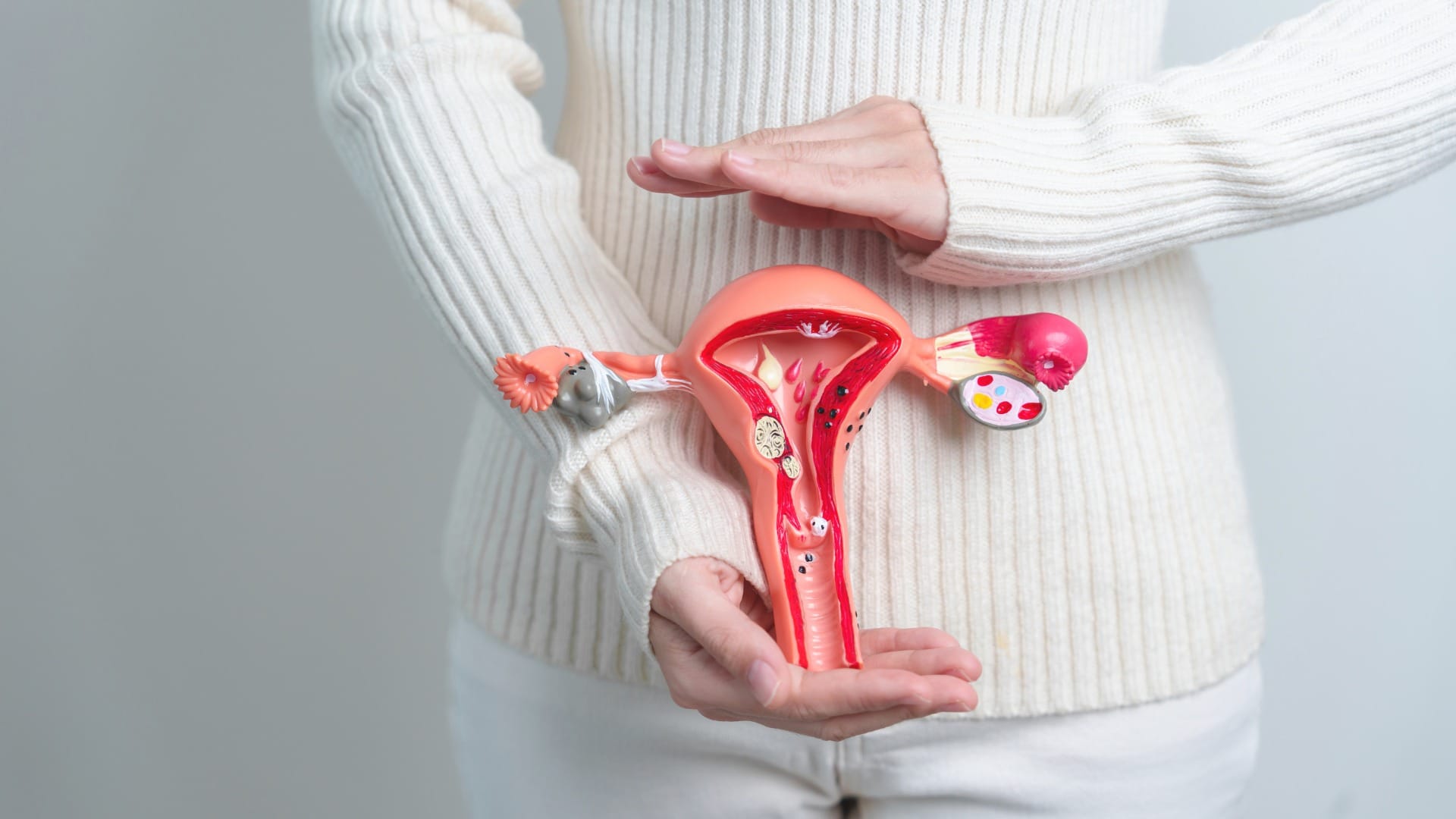
Endometriosis and pelvic floor dysfunction (PFD) are common conditions in women. You experience symptoms of both simultaneously. Both conditions share common symptoms like bladder discomfort, bowel irregularities, pelvic pain, and muscle tightness. You may wonder, “Does endometriosis directly cause pelvic floor dysfunction?” or what the relationship is between endometriosis and pelvic floor dysfunction (PFD).
While endometriosis itself does not automatically cause pelvic floor dysfunction, the chronic pain and inflammation associated with it can influence how pelvic floor muscles behave over time.
This blog will explain the relationship between endometriosis and pelvic floor dysfunction and discuss how approaches like ANF Therapy® may help with these conditions.
What Is Endometriosis?
Endometriosis is a chronic inflammatory condition in which tissue similar to that of the uterine lining grows outside the uterus. These growths may develop on the ovaries, pelvic ligaments, bladder, bowel, or surrounding structures.
According to research, endometriosis affects approximately 5%–15% of women in their reproductive years. However, the actual rates may vary due to delayed diagnosis and asymptomatic cases.
The most common symptoms include:
- Painful periods
- Persistent pelvic discomfort
- Deep pelvic pain
- Pain during intercourse
- Bowel or bladder irritation
- Fertility challenges
Endometriosis is linked to chronic inflammation and immune responses within the pelvis, which can influence nearby nerves, muscles, and connective tissues.

What Is Pelvic Floor Dysfunction?
Pelvic floor dysfunction refers to impaired coordination of the pelvic floor muscles. These muscles provide structural and functional support to the bladder, bowel, and reproductive organs and play a role in continence, sexual function, and core stability.
When these muscles cannot relax properly or are overly tense (hypertonic), the following symptoms appear:
- Urinary urgency without infection
- Constipation or difficulty evacuating
- Pelvic pressure
- Pain with sitting
- Pain during intercourse
- Incomplete bladder or bowel emptying
Unlike endometriosis, pelvic floor dysfunction is primarily a functional neuromuscular issue rather than an inflammatory disease.
How Endometriosis and Pelvic Floor Dysfunction Are Connected
In most cases, endometriosis does not directly damage pelvic floor muscles. However, the chronic pelvic pain associated with endometriosis can trigger protective muscle responses.
When your body experiences pain, it responds by tightening surrounding muscles to protect the area, which can lead to:
- Increased resting muscle tone
- Reduced ability to relax
- Altered coordination during bladder and bowel function
Over time, this pattern may develop into non-relaxing pelvic floor dysfunction.
How Chronic Pelvic Pain Changes Muscle Behavior?
Pain alters how the nervous system communicates with muscles. In individuals with long-standing endometriosis, central pain sensitization may occur, making the nervous system more responsive to stimuli.
This heightened sensitivity can cause:
- Pelvic floor tenderness
- Muscle spasms
- Ongoing tension even without active inflammation
- Increased response to bladder or bowel pressure
Research shows women with deep infiltrative endometriosis are more likely to exhibit pelvic floor muscle spasm and tenderness compared to those without endometriosis.
In this way, endometriosis can indirectly influence pelvic floor function through chronic pain pathways.

Why Symptoms Often Overlap
Both endometriosis and pelvic floor dysfunction share similar symptom patterns. These include:
- Painful intercourse
- Constipation
- Urinary urgency
- Pelvic pressure
- Lower abdominal discomfort
This overlap often complicates diagnosis. Some individuals undergo treatment for endometriosis but continue to experience bladder or bowel issues, which may stem from persistent pelvic muscle dysfunction rather than active lesions.
As imaging does not usually show muscle coordination problems, pelvic floor dysfunction may go undetected unless specifically evaluated.
| Feature | Endometriosis | Pelvic Floor Dysfunction |
| Type of Condition | Chronic inflammatory gynecological disorder | Functional neuromuscular coordination disorder |
| Primary Cause | Endometrial-like tissue growing outside the uterus | Impaired relaxation, weakness, or poor coordination of pelvic floor muscles |
| Underlying Mechanism | Hormonal influence, inflammation, and immune response | Muscle tension, weakness, and altered nerve signaling |
| Pain Source | Inflammatory lesions and adhesions | Muscle guarding, spasms, or poor muscle control |
| Common Symptoms | Severe menstrual pain, pelvic pain, infertility, pain during intercourse | Urinary urgency, constipation, pelvic pressure, incomplete emptying, pain with sitting |
| Bladder Symptoms | May occur if lesions affect the bladder or surrounding tissue | Common due to poor muscle coordination or tension |
| Bowel Symptoms | May occur if lesions involve the bowel | Common due to difficulty relaxing muscles during defecation |
| Diagnosis | Imaging (MRI/ultrasound) and confirmed via laparoscopy | Clinical pelvic floor assessment and functional examination |
| Imaging Findings | Lesions or adhesions may be visible | Often, normal imaging results |
| Treatment Approach | Hormonal therapy, pain management, and surgery | Pelvic floor rehabilitation, muscle coordination therapy, nervous system regulation, ANF Therapy® |
| Can They Coexist? | Yes | Yes — frequently coexists with chronic pelvic pain conditions |
What Research Says About Pelvic Floor Muscles in Endometriosis
Several studies support that pelvic floor muscles behave differently in women with endometriosis:
Women with deep infiltrative endometriosis have been shown to have a higher prevalence of pelvic floor muscle spasms compared to women without endometriosis.
Observational research indicates that heightened pelvic floor tenderness is common in individuals with endometriosis, which may alter central pain processing and further influence muscle behavior.
These findings suggest that while the presence of endometriosis lesions does not automatically cause pelvic floor dysfunction, the pain and nervous system changes associated with endometriosis can influence pelvic muscle function.
Can Treating Endometriosis Fix Pelvic Floor Dysfunction?
Managing endometriosis through hormonal therapy or surgical removal of lesions may reduce inflammatory pain. However, muscle tension patterns that developed over the years may persist even after lesions are addressed.
This occurs due to muscle guarding, which is usually habitual and neurologically reinforced. Pelvic floor dysfunction may remain active if you do not give specific attention to muscle coordination and nervous system regulation.
An integrated approach addressing both inflammation and muscle function provides the most comprehensive support.
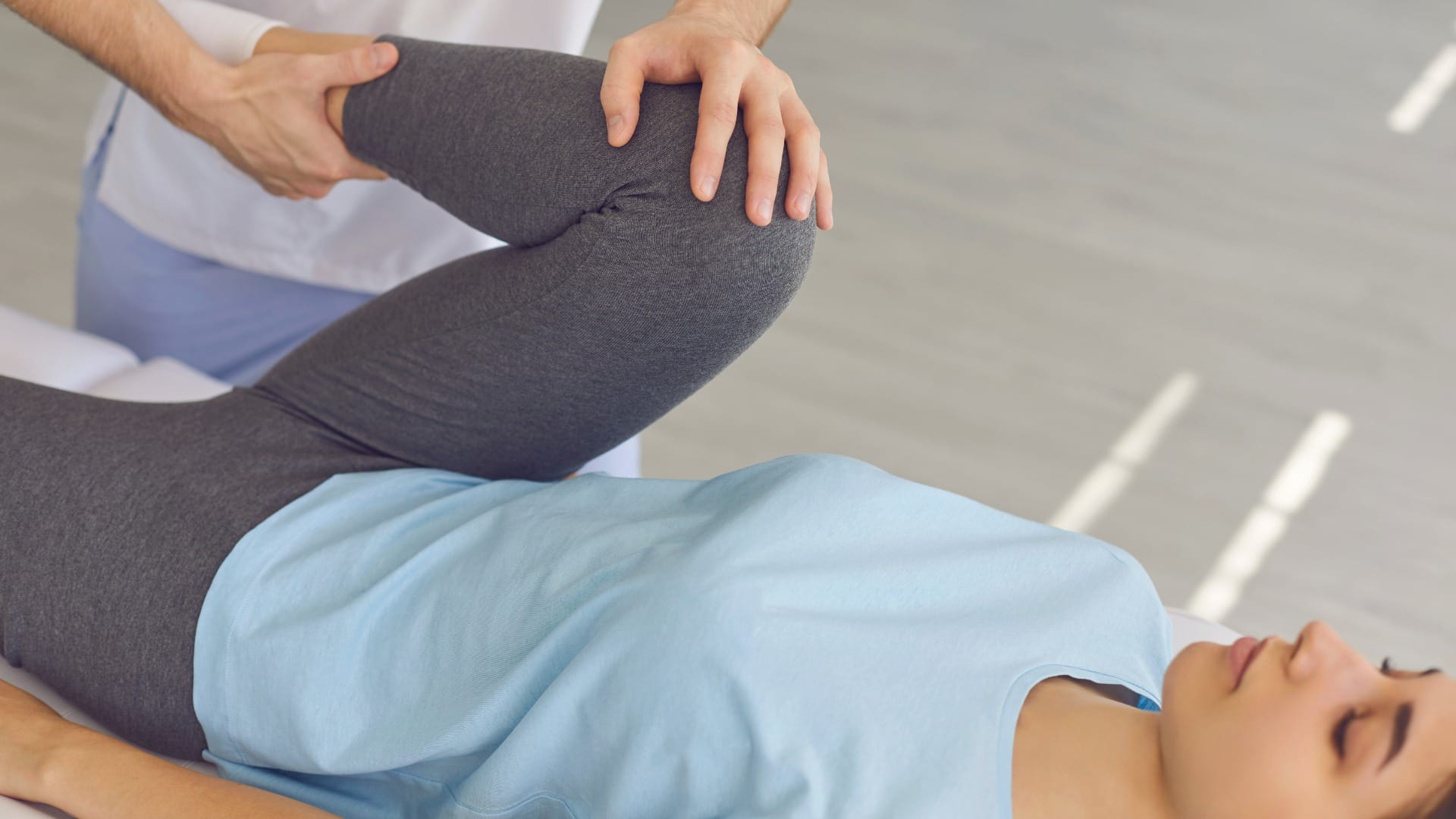
Functional Support for Pelvic Muscle Health
Pelvic floor dysfunction is influenced by nervous system regulation, stress levels, posture, and breathing mechanics, its comprehensive care may include:
- Pelvic floor rehabilitation
- Relaxation and breathing techniques
- Postural optimization
- Gradual muscle coordination training
Addressing muscle behavior in addition to inflammatory factors may improve long-term outcomes.
How ANF Therapy® May Support Pelvic Health
ANF Therapy® is a frequency-based, non-invasive modality.
It may be incorporated into a broader pelvic health approach for individuals experiencing chronic pelvic tension patterns.
ANF Therapy® is used alongside physiotherapy, stress management strategies, and conventional medical care as part of an integrative plan.
ANF Therapy® does not diagnose, treat, or cure any medical condition and should be used under appropriate professional guidance.
Frequently Asked Questions
Is pelvic floor dysfunction caused by endometriosis?
Endometriosis does not directly cause pelvic floor dysfunction in all cases, but the chronic pain and inflammatory environment associated with endometriosis can influence how pelvic muscles contract and relax over time, increasing the risk of dysfunction.
Can pelvic floor dysfunction occur without endometriosis?
Yes. Pelvic floor dysfunction may occur independently due to stress, muscle weakness, past injury, childbirth, posture issues, or other chronic pain conditions.

Can pelvic floor exercises help with endometriosis pain?
Pelvic floor exercises and retraining are used to improve muscle coordination and reduce tension. Evidence suggests they may help ease current pelvic and genital pain, though they are part of a broader care plan.
Does treating endometriosis resolve pelvic floor issues?
Treating endometriosis can reduce lesion-related inflammation and some pain, but functional muscle coordination issues may persist and often require targeted rehabilitation.
Is pelvic floor dysfunction common in women with endometriosis?
Clinical observations and research indicate that pelvic floor muscle dysfunction, including muscle spasms and tension, is more commonly seen in women with deep infiltrative endometriosis compared to those without endometriosis.
Conclusion
Endometriosis itself is not considered a direct cause of pelvic floor dysfunction. However, long-standing inflammation and chronic pelvic discomfort may influence pelvic muscle patterns over time. Ongoing discomfort can be associated with increased muscle tension, reduced relaxation, and altered coordination.
Because these conditions may present with overlapping symptoms, care plans often consider multiple factors, including medical management and pelvic rehabilitation strategies.
Within a comprehensive pelvic health approach guided by a qualified professional, additional supportive modalities such as ANF Therapy® may be included.
ANF Therapy® is a frequency-based, non-invasive modality that may be incorporated into broader musculoskeletal and pelvic health plans under professional supervision.
If you’re a healthcare practitioner and want to enhance your clinical skills with frequency medicine, learn more about the ANF Therapy® and ANF Clinical education program by visiting www.anfacademy.com.