Pelvic floor dysfunction is a common but often misunderstood condition that can affect daily life. A common question is whether it can affect bowel movements, and the answer is yes. The pelvic floor muscles support the lower organs and help control bowel function. When these muscles are too tight, too weak, or not working together properly, bowel movements can become difficult or uncomfortable. This may lead to constipation, straining, a feeling of incomplete emptying, or leakage.
ANF Therapy® is a complementary approach that can be used along with other medical treatments. In this blog, we will discuss pelvic floor dysfunction, its causes, and how ANF Therapy® may play a supportive role in managing it.

What Is Pelvic Floor Dysfunction?
The pelvic floor is a group of muscles, ligaments, and connective tissues that stretch like a hammock across the bottom of the pelvis. These muscles support vital organs such as the bladder, rectum, and uterus (in women), and they help control urination and bowel movements.
Pelvic floor dysfunction occurs when these muscles do not work properly. Instead of relaxing and contracting at the right times, they may become:
- Too tight (hypertonic)
- Too weak (hypotonic)
- Uncoordinated
When coordination is disrupted, especially during defecation, it can directly interfere with normal bowel movements.

How the Pelvic Floor Controls Bowel Movements
It is important to know how a normal bowel movement works. When stool enters the rectum, nerves signal the brain that it’s time to go. At the appropriate moment:
- The pelvic floor muscles relax.
- The anal sphincter opens.
- Abdominal muscles contract to help push stool out.
This process requires precise coordination. If the pelvic floor muscles fail to relax or tighten at the wrong time, stool may become difficult or even impossible to pass.
A common condition associated with this problem is dyssynergic defecation, which is also referred to as obstructed defecation. In this case, the pelvic floor muscles contract rather than relax during a bowel movement.
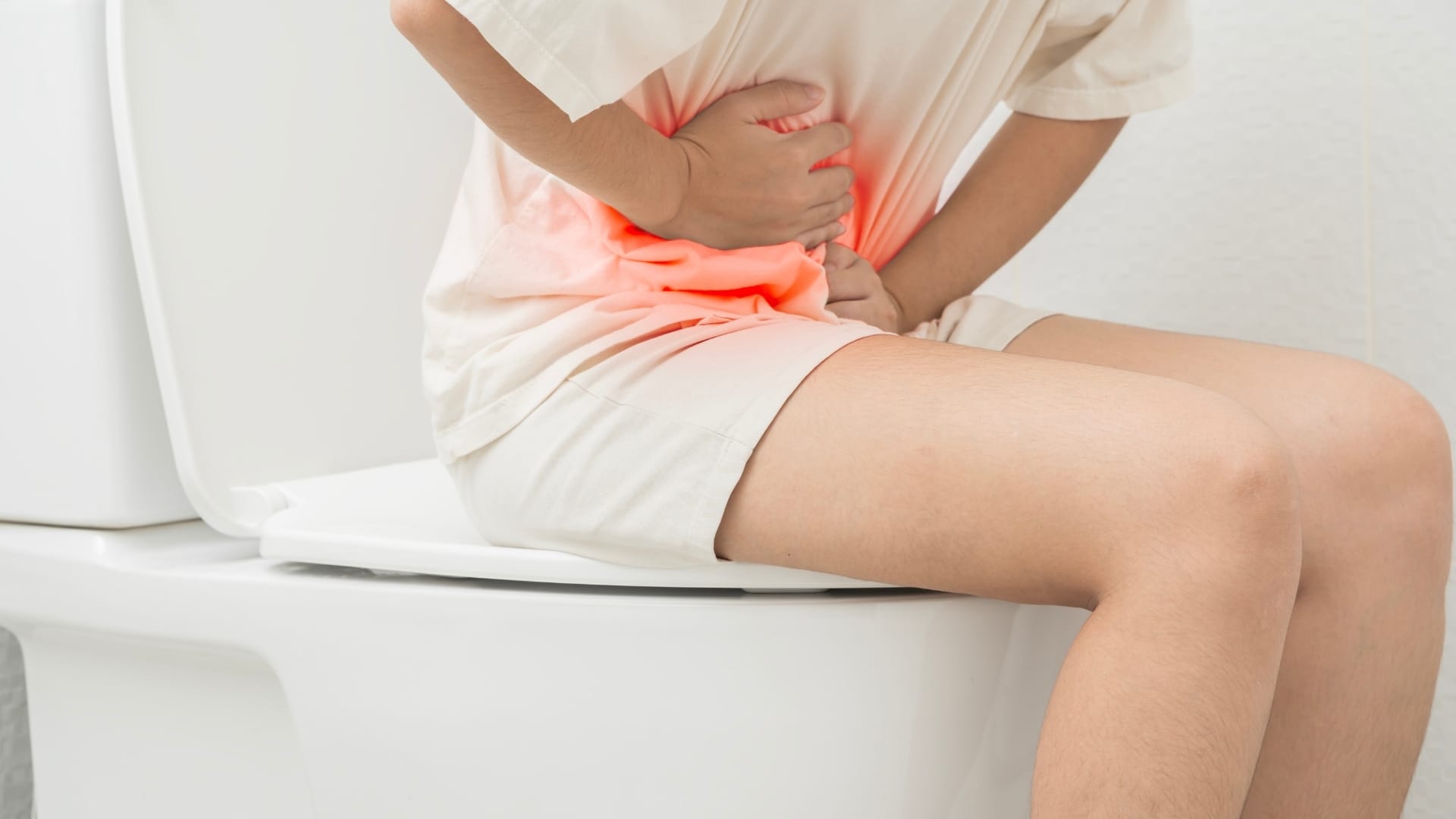
Symptoms of Pelvic Floor Dysfunction Affecting Bowel Movements
Pelvic floor dysfunction (PFD) can significantly disrupt normal defecation mechanics. The pelvic floor muscles must coordinate relaxation and contraction at precise moments to allow effective bowel emptying. When this coordination is impaired due to weakness, overactivity, poor motor control, or structural changes, a variety of bowel-related symptoms can emerge.
Below is a more detailed explanation of the most common presentations:
1. Chronic Constipation (Outlet Dysfunction Type)
A frequent and frustrating symptom of PFD is persistent constipation that does not respond adequately to dietary fiber, hydration, or laxatives. In these cases, the issue is not necessarily slow colonic transit but rather difficulty with evacuation. You may feel a strong urge to defecate, but the pelvic floor muscles fail to relax appropriately and prevent stool passage.
2. Excessive Straining During Defecation
Repeated or prolonged straining is a hallmark sign of pelvic floor dyssynergia (impaired muscle coordination). Patients often describe the sensation as “pushing against resistance” or feeling as though there is a mechanical blockage. Over time, excessive straining may increase intra-abdominal pressure and contribute to hemorrhoids, fissures, or pelvic organ prolapse.

3. Sensation of Incomplete Evacuation
Even after passing stool, you may experience a persistent feeling of rectal fullness or incomplete emptying. This occurs when the pelvic floor does not fully relax or when stool remains trapped due to impaired coordination. This sensation often leads to repeated attempts to defecate within a short period.
4. Painful or Difficult Bowel Movements
Overactive or hypertonic pelvic floor muscles can increase outlet resistance, making bowel movements uncomfortable or painful. Pain may be felt in the rectum, perineum, or lower abdomen. In some cases, the discomfort is due to sustained muscle contraction rather than stool consistency.

5. Need for Manual Assistance (Splinting or Digital Evacuation)
In more advanced cases, individuals may rely on manual techniques to complete a bowel movement. This may include inserting a finger into the rectum to remove stool (digital evacuation) or applying pressure to the vaginal wall or perineum (splinting) to mechanically assist emptying. This is often associated with pelvic floor weakness, rectocele, or poor muscular coordination.
6. Fecal Incontinence or Gas Leakage
When pelvic floor muscles are weakened or lack endurance, control over bowel function may be compromised. This can present as accidental stool leakage, urgency with inability to reach the toilet in time, or difficulty controlling gas. Even mild incontinence can significantly impact quality of life and confidence.

Why Does Pelvic Floor Dysfunction Occur?
Pelvic floor dysfunction (PFD) rarely develops from a single isolated cause. The pelvic floor is a dynamic neuromuscular system responsible for continence, organ support, sexual function, and lumbopelvic stability. Any factor that alters muscle strength, nerve integrity, tissue elasticity, or motor coordination can disrupt its function. Most cases arise from a cumulative effect of mechanical, neurological, hormonal, and behavioral influences.
The following are the most common contributing factors:
1. Childbirth (Especially Vaginal Delivery)
Pregnancy and vaginal delivery exert mechanical stress on the pelvic floor. Muscles may become overstretched, connective tissues can lose elasticity, and pudendal nerve irritation or injury may occur. Instrument-assisted deliveries, prolonged second stage of labor, or large birth weight further increase the risk. Even after healing, subtle changes in muscle coordination or support may persist.
2. Pelvic or Abdominal Surgery
Surgical procedures in the pelvic or lower abdominal region, such as hysterectomy, prostate surgery, colorectal surgery, or cesarean section, can alter fascial integrity, disrupt neuromuscular signaling, or lead to compensatory movement patterns. Scar tissue formation may also restrict normal muscle mobility and coordination.

3. Chronic Straining and Long-Term Constipation
Repeated straining during bowel movements significantly increases intra-abdominal pressure. Over time, this can fatigue the pelvic floor muscles, alter their resting tone, and impair coordinated relaxation. Instead of functioning reflexively, the muscles may become either weak or paradoxically overactive (failing to relax during defecation).
4. Trauma or Direct Injury
Falls, pelvic fractures, sports injuries, or accidents involving the lower spine, sacrum, or coccyx can compromise nerve supply or muscular control. Even subtle trauma can affect the delicate balance between contraction and relaxation required for optimal pelvic function.

5. Psychological Stress and Emotional Factors
The pelvic floor is highly responsive to the autonomic nervous system. Chronic stress, anxiety, or a persistent “fight-or-flight” state can lead to unconscious muscle guarding. Sustained tension may result in hypertonicity, pain syndromes, or impaired coordination during urination and defecation. This mind-body connection is often underestimated but clinically significant.
6. Aging and Hormonal Changes
With advancing age, muscle mass, collagen integrity, and tissue elasticity naturally decline. Hormonal shifts, particularly decreased estrogen during menopause, can reduce tissue resilience and support. While aging alone does not cause dysfunction, it lowers the threshold for symptoms to appear, especially if other risk factors are present.
Multifactorial Nature of Dysfunction
In clinical practice, pelvic floor dysfunction is usually multifactorial. For example, an individual may have a history of childbirth, chronic constipation, and prolonged stress—all contributing cumulatively to impaired function. Understanding these interacting factors is essential for designing an effective rehabilitation strategy focused on restoring strength, coordination, endurance, and neuromuscular control.

The Link Between Constipation and Pelvic Floor Dysfunction
It’s important to understand that constipation can both cause and result from pelvic floor dysfunction.
- Constipation leading to dysfunction: Repeated straining can teach the pelvic muscles to contract improperly.
- Dysfunction leading to constipation: If muscles fail to relax, stool cannot pass easily, resulting in chronic constipation.
This creates a cycle that can worsen over time without proper treatment.
Treatment Options
There are multiple treatment options that can help manage pelvic floor dysfunction. These include the following:
1-ANF Therapy®
ANF Therapy® is an advanced, frequency-based approach that supports your body’s natural healing process. This therapy utilises small ANF Devices that are applied to the affected areas of your body. A therapist trained in ANF Therapy® does not focus solely on symptoms; it aims to target the root cause of a problem to support healing.
Outcomes
ANF Therapy® is a drug-free modality that has been observed in real-world clinical settings. A study involving 1,054 patients across 45 countries evaluated the use of ANF Therapy® for various musculoskeletal concerns. Commonly addressed areas included the lower back, knees, neck, and shoulders. Reported pain scores decreased from an average of 7.6 to 3.1 out of 10 following ANF Therapy® use. Participants also reported reduced swelling and improved range of motion. Overall satisfaction scores were high (92/100), while reported effects such as dry mouth, headache, or fatigue were mild and short-term.
Start Your Journey With ANF Therapy®
ANF Therapy® is a frequency-based approach that supports the body’s natural processes. It is used by trained ANF Therapists for individuals experiencing a wide range of musculoskeletal discomforts, including pelvic floor dysfunction, along with traditional treatments. If you are dealing with alternating bowel movements due to pelvic floor dysfunction, you may consider consulting an ANF Practitioner to discuss whether ANF Therapy® could be included as part of your personal wellness or recovery strategy.
You can find an ANF Therapist by visiting: www.anftherapy.com/find-clinic.
If you are a healthcare professional interested in expanding your understanding of frequency-based approaches, you can get more information about ANF Therapy® and the ANF Clinical Education Program at www.anfacademy.com.
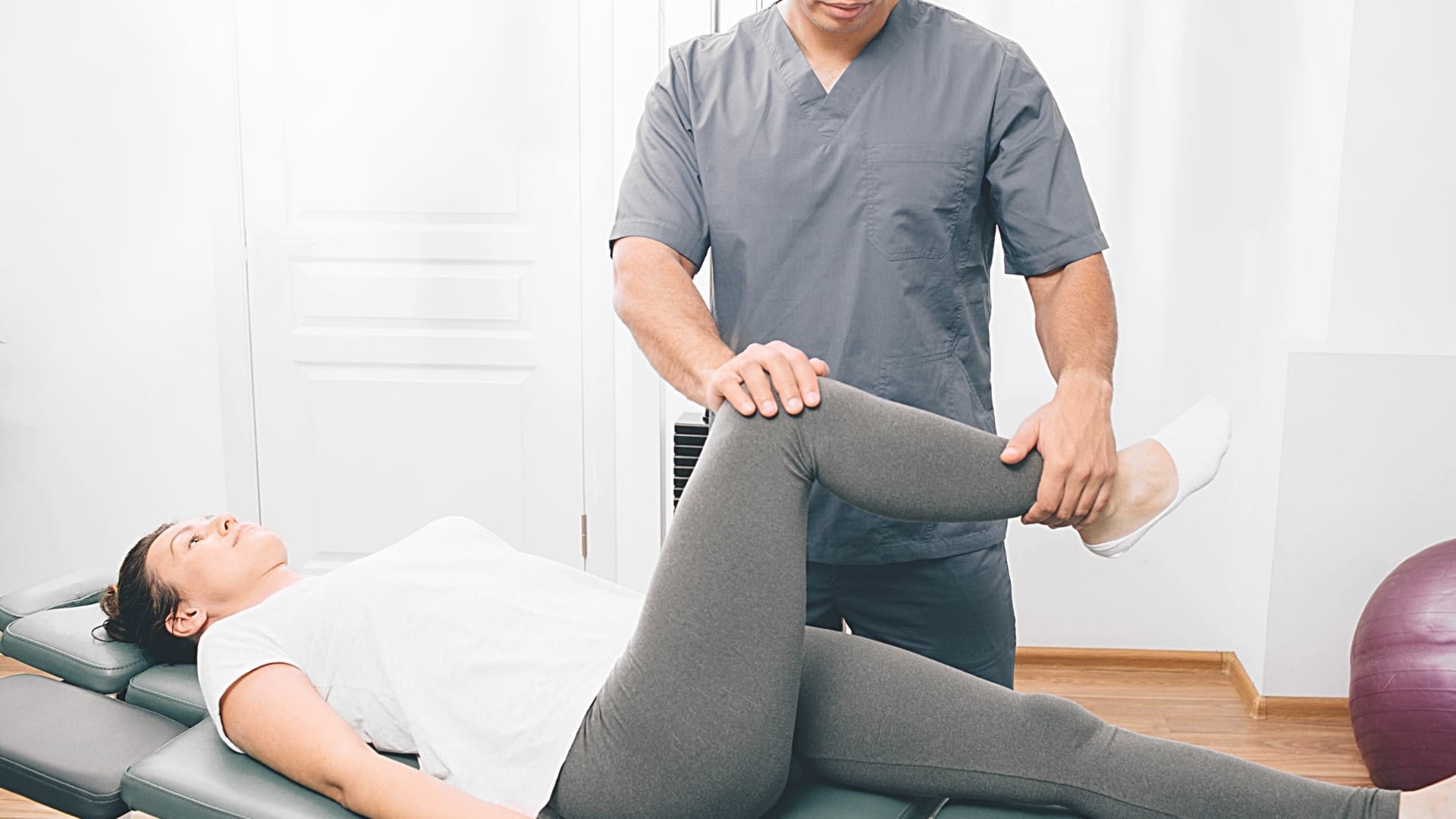
2-Pelvic Floor Physical Therapy
Pelvic floor physical therapy is considered a cornerstone intervention for many forms of dysfunction. A trained pelvic health physiotherapist assesses muscle tone (hypotonic vs. hypertonic), endurance, coordination, breathing mechanics, posture, and movement patterns.
Treatment may include:
- Targeted strengthening exercises when weakness is present
- Down-training and relaxation techniques for overactive or tight muscles
- Diaphragmatic breathing to normalize pressure regulation
- Biofeedback to improve motor awareness and coordination
- Postural correction to optimize load transfer through the pelvis

3. Behavioral Modifications
Functional habits significantly influence pelvic floor performance. Small but consistent changes can reduce mechanical strain and improve coordination.
These include:
- Avoiding excessive or prolonged straining during bowel movements
- Adopting optimal toileting posture (feet elevated on a small stool to promote a more natural anorectal angle)
- Responding to natural bowel urges rather than delaying
- Establishing regular, unhurried bathroom routines
These modifications reduce outlet resistance and improve defecation mechanics.

4. Dietary Optimization
Stool consistency plays a major role in evacuation ease. Adequate fiber intake (soluble and insoluble) combined with sufficient hydration can soften stool and promote regularity. However, it is important to recognize that fiber does not correct underlying neuromuscular incoordination. In cases of pelvic floor dyssynergia, dietary changes alone are often insufficient without concurrent rehabilitation.

5. Stress Regulation and Nervous System Support
The pelvic floor is closely linked to autonomic nervous system activity. Chronic stress can perpetuate involuntary muscle tension and impair relaxation during voiding or defecation.
Supportive strategies may include:
- Mindfulness-based practices
- Guided relaxation
- Yoga or gentle mobility work
- Diaphragmatic breathing exercises
By reducing sympathetic overactivation, these interventions can help normalize resting muscle tone and improve functional coordination.
Many people hesitate to talk about bowel issues due to embarrassment. However, pelvic floor dysfunction is common and treatable. Both men and women can experience it, though it is more frequently diagnosed in women due to childbirth-related changes. Therefore, Open conversations with ANF Therapists can lead to effective solutions and significant improvements in quality of life.
Conclusion
Pelvic floor dysfunction can have a significant impact on bowel movements, affecting comfort, confidence, and overall quality of life. Symptoms such as constipation, straining, incomplete emptying, or leakage are often linked to poor muscle coordination rather than diet alone. The good news is that pelvic floor dysfunction is manageable with the right support and a well-rounded approach. Options such as guided pelvic floor therapy, lifestyle and dietary changes, stress management, and complementary approaches like ANF Therapy® may all play a supportive role.